Please ensure Javascript is enabled for purposes of website accessibility

Category: Health and Wellness

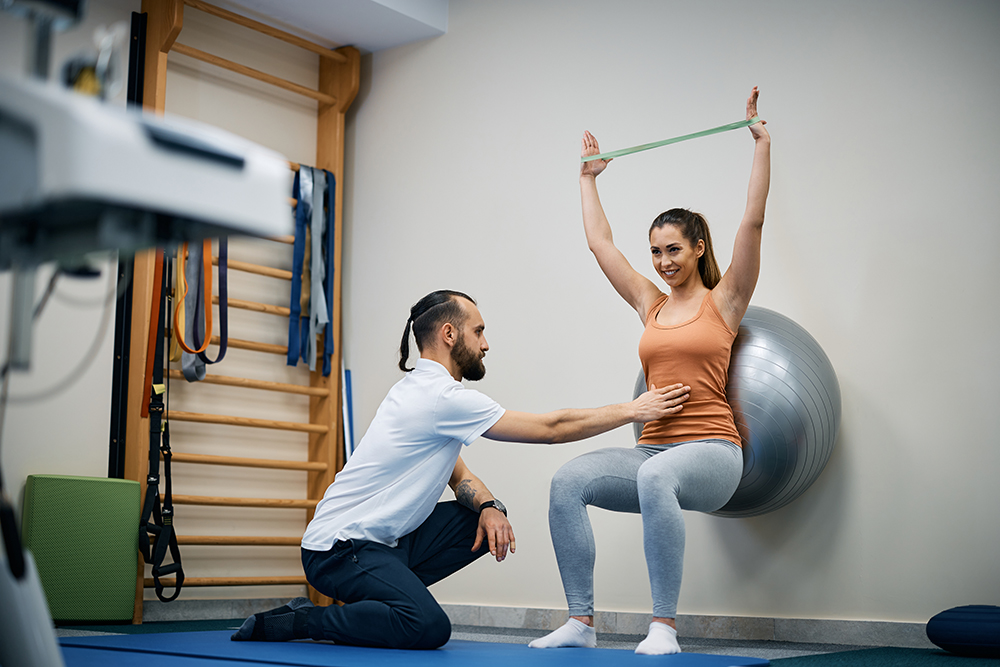
  • Supervised Exercise Program During Rapid Weight Loss

    Supervised Exercise Program During Rapid Weight Loss

    GLP-1 receptor agonists such as semaglutide and tirzepatide have transformed medical weight management by helping patients regulate appetite, improve blood sugar control, and achieve meaningful weight loss.

    And while these medications are highly effective, emerging clinical evidence shows that medication alone is not enough to produce optimal long-term outcomes.

    Without structured exercise and nutritional guidance, patients may experience:

    • Loss of lean muscle mass alongside fat loss
    • Declines in metabolic rate
    • Reduced strength and physical function
    • Increased fatigue and long-term weight regain risk

    A medically guided exercise program plays a critical role in protecting muscle, supporting metabolism, and improving overall health during weight loss treatments.

    Why exercise is important during substantial weight loss

    Clinical exercise programming helps patients:

    • Preserve lean muscle mass: Strength training signals the body to maintain muscle during weight loss, supporting metabolism and functional independence.
    • Improve metabolic health: Regular exercise enhances insulin sensitivity, cardiovascular health, and energy utilization.
    • Maintain energy and physical function: Structured movement reduces fatigue, improves mobility, and supports daily performance as body composition changes.
    • Support long-term weight maintenance: Patients who exercise are more likely to sustain results even after treatment phases change or medications are reduced.

    Why a clinical exercise environment matters

    Not all exercise programs are appropriate for individuals undergoing medically managed weight loss. As beneficial as recently developed weight loss drugs are, patients taking these medications can experience side effects, such as:

    • Fatigue or reduced energy intake
    • Orthostatic symptoms or dizziness
    • Muscle loss risk
    • Deconditioning prior to starting treatment

    These factors require individualized progression and supervision, not generalized fitness programming.

    Our Wellness & Longevity Center provides a medically integrated environment uniquely designed for these patients. Designated the #1 Wellness Center in the United States by the American College of Sports Medicine, our program bridges the gap between medical treatment and long-term health outcomes.

    Our approach to weight loss exercise programming

    Programs are developed within a Wellness & Longevity framework and may include:

    • Individualized strength training focused on muscle preservation
    • Progressive cardiovascular conditioning
    • Balance and stability training
    • Mobility and recovery programming
    • Fatigue-aware exercise progression

    Patients begin safely, build consistency, and progress toward sustainable lifestyle change under professional guidance.

    Nutrition and lifestyle integration

    Because weight loss medications reduce appetite and slow digestion, nutritional quality becomes essential. Patients are guided to:

    • Prioritize protein intake to support muscle preservation
    • Incorporate fiber-rich foods for digestion and satiety
    • Maintain hydration
    • Develop sustainable eating patterns aligned with reduced appetite signals

    Exercise and nutrition work synergistically to maximize treatment success.

    A collaborative model for long-term health

    GLP-1 medications are powerful tools, but long-lasting positive health outcomes occur when medication, movement, and lifestyle are integrated.

    Our Wellness & Longevity Center partners with patients and referring providers to ensure weight loss is not only achieved, but clinically optimized, functional, and sustainable.

    Call our team today at 916-677-1200 or request an appointment online and mention our Weight Loss Program to learn more!

  • Feeling Good and Staying Active Through The Holidays

    Feeling Good and Staying Active Through The Holidays

    The holiday season offers a wonderful opportunity to slow down, practice gratitude, and spend quality time with the people we love. It’s a welcome break from our normal routines, a chance to linger over festive feasts, and enjoy cozy days indoors.

    As luxurious as this time can feel, hitting “vacation mode” for too long can sometimes disrupt healthy habits we’ve worked hard to build, which can impact our mobility and overall well-being. Many people find that an extended period of inactivity leads to stiffness, soreness, and a general sense of fatigue.

    The good news is that you don’t have to sacrifice holiday fun to maintain your health. By being intentional and creative with ways to keep your body moving, you can prevent these symptoms from setting in and feel your best throughout the long winter months.

    Myths and misconceptions about “staying active”

    When we think about “staying active” during the holidays, there are a lot of opinions and depictions that lead to misconceptions that feel overwhelming or unrealistic.

    One common myth is that you need to maintain the same level of activity you did during the summer. We want to be kind with the high standard you may have had when the days were warm and bright. If you used to take an evening walk every night, for example, but now your neighborhood is covered in a foot of snow, you don’t have to force yourself to take up snowshoeing just to meet a too-strict fitness quota.

    Another misconception is that working out must be your top priority at all times; meaning you may have to skip seeing friends because your workout schedule doesn’t line up with their availability. This “all or nothing” mindset can backfire in the long run because rather than being something that feels good and empowering, it breeds resentment and FOMO.

    Finally, for snowy areas, staying active in winter doesn’t mean you have to take up a specific winter sport or join an expensive gym. While these are great options if you enjoy them and have the means, they aren’t necessary. The goal is to integrate movement into your life in a way that feels good to you and your loved ones, without missing out on what makes the season special.

    Simple ways to move your body this winter

    Staying active doesn’t require a membership or expensive equipment. There are plenty of simple, accessible, and often free ways to incorporate movement into your holiday routine, whether you’re indoors or enjoying the crisp winter air.

    Indoor activities

    • Dance party: Put on your favorite tunes and have a dance party in your living room. It’s a fun way to get your heart rate up whether you’re home alone or with family or friends.
    • Stretching breaks: We all have our favorite holiday movies, and movie marathons may be a staple hobby this time of year. Just remember to take breaks to stretch as often as you can. Simple stretches for your neck, shoulders, back, and legs can relieve stiffness and improve flexibility.
    • Active chores: Turn up the music and tackle some household chores with a bit more energy. Vigorous cleaning, vacuuming, or rearranging furniture can be a surprisingly good workout. Plus you’ll feel great about how your space looks when you’re done.
    • Stair climbing: If you have stairs in your home, make a point to go up and down them a few extra times each day.
    • Online fitness classes: If you’re looking for something with guidance, there are thousands of hours of fitness classes and instructors for everything under the sun. Find something you enjoy and follow along from the comfort of your home.

    Outdoor activities

    • Go for a walk: A brisk walk is one of the most accessible forms of exercise. Invite a friend or family member to join you for a stroll around the neighborhood to look at holiday lights.
    • Visit a park: Local parks are often less crowded when it’s cold out, and offer a peaceful setting for a walk or light jog.
    • Ice skating: Many towns have outdoor ice skating rinks during the holidays. It’s a festive activity that provides a great lower-body workout.
    • Build a snowman: If you’re lucky enough to have snow, embrace your inner child! Building a snowman or having a neighborhood snowball fight is a playful way to get moving.

    The key is to find activities you genuinely enjoy. When movement feels like play instead of a chore, you’re much more likely to stick with it.

    The benefits of starting now

    A surprisingly large number of people wait until the new year to set health and fitness goals, not in small part due to wanting to fully embrace the holiday season. But there are significant advantages to starting before the calendar flips to January:

    Habits take time to form, and starting early without the pressure of a New Year’s resolution can make the process feel more natural and less stressful. When you gradually build momentum, a resolution becomes an extension of what you’re already doing, rather than a daunting brand-new commitment.

    Furthermore, getting a head start gives at least a temporary logistical benefit: you avoid the January rush at the gym. If part of your plans involve a gym membership, not only will the facilities be less crowded in December, but you may even find unique offers or off-season pricing available.

    Finally, a lot of people looking to start a new healthy routine that involves some form of exercise can benefit from a little guidance. This is even more important for those who have existing health conditions or who may be vulnerable to injury. Physical therapy clinics, for example, may have more availability before January, allowing you to get a professional evaluation without a long wait.

    Move with confidence this season

    Staying active during the holidays is about finding a healthy, joyful balance that works for you. It’s about feeling good in your body so you can fully embrace the season with energy and enthusiasm.

    If you’re unsure where to start or have concerns about your mobility, seeking professional guidance is a great first step. A physical therapist can provide a professional evaluation of your overall health and create a personalized plan to help you move safely and effectively.

    Find an Alliance Partner clinic near you to get a conversation started about how you can find small but meaningful ways to make your holidays healthier.

  • Can Exercise Help Lower Blood Pressure?

    Can Exercise Help Lower Blood Pressure?

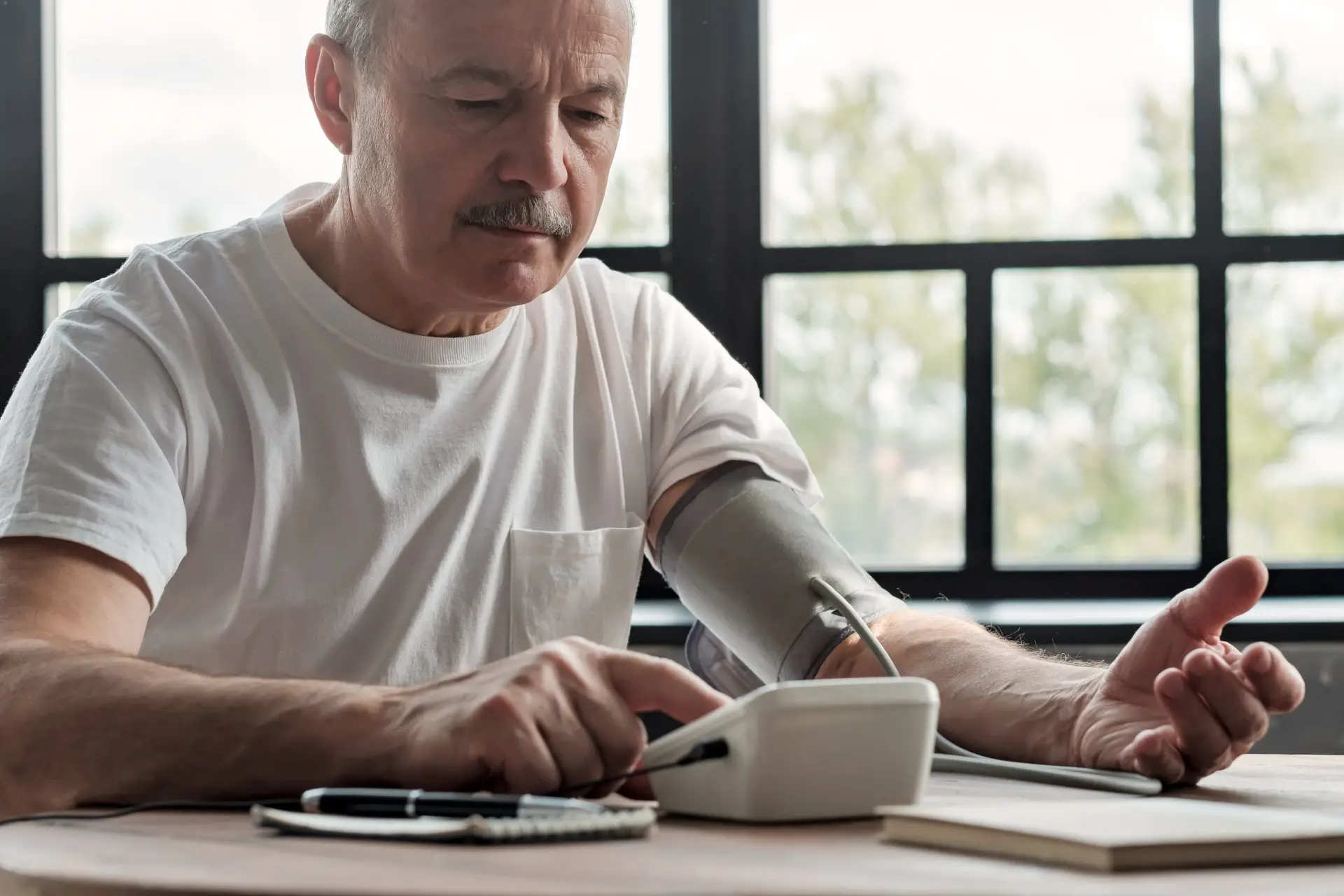
    High blood pressure affects more than half of all adults over the age of 60 in the United States, yet many people don’t realize they have it until complications arise. Often called a “silent killer,” unmanaged high blood pressure can lead to heart disease, stroke, kidney problems, and other life-threatening conditions. And unfortunately, there’s little warning as the condition progresses without symptoms until something drastic happens.

    While medication remains a cornerstone of blood pressure management, it’s not the only solution—and it may not be right for everyone. Research consistently shows that regular exercise can significantly reduce resting blood pressure in adults of all ages. This natural approach offers hope for those seeking alternatives or complements to traditional pharmaceutical treatments.

    How to help with high blood pressure

    Many people with high blood pressure, which can only be diagnosed and monitored by a medical doctor, may have a treatment option with antihypertensive medications. These drugs work through various mechanisms—some relax blood vessels, others reduce the heart’s workload, and still others help the kidneys eliminate excess sodium and water.

    However, medication isn’t always the perfect fit for everyone. Some people experience negative side effects like dizziness, fatigue, or sexual dysfunction. Others prefer to explore natural, conservative approaches first, especially if their blood pressure elevation is mild to moderate. All of these factors and options are made clear in coordination with your primary care provider.

    This is where exercise shines as a complementary or sometimes alternative treatment. Numerous clinical studies have demonstrated that regular physical activity can lower both systolic and diastolic blood pressure by 8-11 mmHg—a reduction that rivals many medications. The best part? Exercise comes with bonus health benefits rather than unwanted side effects.

    The key is consistency. Just like medication needs to be taken regularly to work, exercise must become a sustained habit to maintain its blood pressure-lowering effects. Our Physical Therapists can help you stay motivated, encouraged, and engaged with a personalized heart-healthy exercise routine, although we are not able to provide direct treatment or diagnoses for high blood pressure. We will work with your primary care physician to ensure any complementary exercise plan is safe and recommended for your specific health needs before getting started.

    Types of exercise for lower blood pressure

    There are generally two types of exercise recommended and studied for their effect on blood pressure in adults. Aerobic or whole-body exercise, and strength training that targets specific muscle groups.

    Aerobic exercise

    Aerobic exercise—similar to cardiovascular exercise—gets your heart pumping and your breathing rate up. This type of activity is distinct from weight-lifting or exercises that target specific muscle groups. Instead, aerobic exercise engages large muscle groups in continuous, rhythmic movements, which allows your muscles to generate energy using oxygen.

    Examples include brisk walking, jogging, cycling, swimming, dancing, and hiking. The American Heart Association recommends at least 150 minutes of moderate-intensity aerobic activity per week, or 75 minutes of vigorous activity.

    Beyond blood pressure reduction, aerobic exercise offers remarkable benefits. It strengthens your heart muscle, improves circulation, helps control weight, reduces bad cholesterol while increasing good cholesterol, and boosts mood through the release of endorphins. Regular aerobic activity may also enhance lung capacity, improve sleep quality, and increase energy levels over time.

    Strength training

    Strength training involves exercises that make your muscles work against resistance, such as lifting weights, using resistance bands, or performing bodyweight exercises like push-ups and squats. Although the mechanism at the cellular level is difference than aerobic exercise, research still shows significant benefits for heart health through anaerobic strength training.

    Strength training may also offer unique and compelling benefits compared to cardio alone. It builds lean muscle mass, which increases your metabolic rate even at rest. This type of exercise is particularly beneficial for older adults, as it may help prevent age-related muscle loss and maintains bone density. Women going through menopause can especially benefit from strength training’s hormone-balancing effects.

    Finally, focusing on specific areas while strength training can have a targeted benefit for your overall health; if you’re experiencing lower back pain on a regular basis, a Physical Therapist can teach you safe and therapeutic exercises to not only lower your blood pressure, but also help strengthen key muscles to reduce this pain.

    Benefits of exercise for high blood pressure

    Both aerobic exercise and strength training can effectively lower blood pressure when performed consistently. However, research suggests that combining both types may be most beneficial. Strength training that builds key muscles to prevent future injury or mobility issues while alternating with exercises that raise your cardiovascular strength can be particularly effective.

    The cardiovascular improvements go beyond just lower blood pressure readings. Exercise strengthens your heart muscle, making it more efficient at pumping blood. This improved circulation means better oxygen and nutrient delivery to all your organs, reducing the risk of damage to the kidneys or liver.

    Strengthening your feet and ankles improves balance and reduces fall risk—crucial for maintaining independence as you age. Building arm and shoulder strength enhances range of motion for daily tasks like lifting groceries or reaching overhead. A stronger back means less pain and better posture, which can even improve breathing and circulation.

    The psychological benefits shouldn’t be overlooked either. Regular exercise reduces stress hormones like cortisol, which can contribute to high blood pressure as well as induce feelings of anxiety. The confidence that comes from getting stronger and more capable can create a positive cycle that supports long-term health habits.

    Guided therapeutic exercise for a healthy heart

    While any exercise is better than none, working with healthcare professionals who understand the relationship between movement and cardiovascular health can maximize your results safely. This is especially important if you’re new to exercise, have other health conditions, or are taking blood pressure medications that might affect your exercise response.

    A structured, medically-informed approach ensures you’re getting the right type and intensity of exercise for your specific situation. At Sacramento Spine, our Heart Healthy wellness program combines evidence-based exercise protocols with personalized attention to help you achieve optimal cardiovascular health. Our team understands how to design exercise programs that safely and effectively lower blood pressure while addressing other aspects of your health and fitness.

    Get started with your personalized heart health plan that incorporates engaging exercise plans by calling our team or requesting your first appointment online today.  
  • What to Do About Postpartum Groin Pain

    What to Do About Postpartum Groin Pain

    Childbirth is often described as one of the most incredible experiences a person can undergo, but it’s no secret that it also involves significant physical challenges. Throughout pregnancy and delivery, your body undergoes remarkable changes to accommodate your growing baby and bring them into the world. However, these changes can lead to discomfort, including postpartum groin pain.

    If you’ve been experiencing groin pain after birth, you’re not alone, and there are effective ways to find relief through evidence-based and natural physical therapy methods.

    Common causes for groin pain after birth

    During pregnancy, your body prepares for childbirth by loosening ligaments, shifting bones, and stretching muscles to make space as your baby grows and is born. After delivery, these changes, combined with the physical strain of labor and healing from childbirth-related injuries, can contribute to groin pain postpartum.

    The list of “normal” postpartum symptoms is lengthy and may or may not apply to everyone’s experience. There are several potential causes for postpartum groin pain, and the experience often varies from one person to another. Here are some common reasons why you might be feeling pain in your groin after giving birth:

    C-section recovery and complications

    Groin pain after a C-section isn’t uncommon. While the surgery is designed to minimize damage, the incision and subsequent scar tissue can create tightness, strain, or nerve-related pain throughout your pelvis and groin. In particular, nerves affected during the procedure might result in sharp or shooting sensations in the groin area during the healing process.

    Perineal tears

    For those who had a vaginal delivery, perineal tears or episiotomies can cause soreness around the groin. These injuries may require stitches and time to heal, leading to localized pain that intensifies with movement or pressure.

    Muscle weakness or injury

    Pregnancy and childbirth can weaken the muscles in your pelvic floor and surrounding areas. This can sometimes result in tenderness or groin discomfort, especially when standing, walking, or carrying heavy objects.

    Uterine cramping (afterpains)

    Your body works around the clock after giving birth to return your uterus to its pre-pregnancy size, which can cause cramping sensations that radiate through the pelvic and groin area.

    Separation of pubic bones (Symphysis pubis dysfunction)

    The separation of pubic bones during labor is necessary for a healthy birth, but can result in discomfort or instability in the pelvis for weeks afterward. This may cause groin pain, particularly during certain movements or while bearing weight.

    Pelvic ligament instability

    The pelvic girdle ligaments, which loosen to facilitate childbirth, may take time to tighten again, potentially leading to groin pain when walking or engaging in physical activity postpartum.

    Because everyone’s experience with childbirth is different, taking note of where your pain is located and its characteristics—whether dull or sharp, persistent or only arising in certain positions—can provide valuable insights into its cause and guide you to an effective treatment with your healthcare providers.

    Will post-partum groin pain go away on its own?

    Many types of groin pain after birth heal and go away as part of the body’s natural recovery process. However, that doesn’t mean you have to simply endure any kind of pain because your body will eventually heal. Seeking professional care for groin pain after birth can help promote faster, more effective healing.

    While some discomfort may seem “normal,” persistent or severe groin pain postpartum may indicate an issue that requires attention. Advocating for yourself in postpartum appointments and being specific about your symptoms can help you and your caregivers address the root causes of your symptoms.

    How physical therapy treats post-partum symptoms

    Physical therapy is an effective, evidence-based way to address postpartum groin pain and support your recovery. It provides a holistic approach to care that not only treats symptoms but also empowers you with tools for long-term well-being. Here are just a few of the ways physical therapy can help with groin pain after a C-section or vaginal birth:

    Diaphragmatic breathing

    Physical therapy-based breathing exercises focus on strengthening your core and pelvic floor while promoting relaxation and better oxygen intake. Diaphragmatic breathing can also help reduce tension and gradually rebuild stability in the pelvic area.

    Gentle, targeted muscle strengthening

    Targeted exercises provided by a physical therapist can help your body rebuild strength in the pelvic floor and groin muscles. This helps alleviate pain and improves overall stability and mobility.

    Postural and movement recommendations

    Having poor posture after giving birth (hello, endless hours of feeding and holding!) can exacerbate groin and pelvic pain. A physical therapist can guide you in adjusting your posture or movements to reduce strain and prevent future discomfort throughout your body.

    External support (braces or compression bands)

    Sometimes external support can be used to promote healing and provide stability to sensitive or weakened areas. Compression bands and braces can relieve pelvic pressure and support weakened muscles as they recover postpartum.

    No matter what’s causing your groin pain, physical therapy treatments are tailored to your specific needs, ensuring compassionate care that takes your unique childbirth experience into account.

    Start your journey to healing and full recovery after childbirth

    Postpartum groin pain can feel overwhelming, especially on top of figuring out your entirely new life with a new baby. But you don’t have to endure the discomfort alone. With the right guidance, compassionate care, and tailored treatments, recovery is entirely within reach.

    If you’re struggling with groin pain after birth or groin pain after a C-section, our talented team at Continuum Wellness in Apache Junction, AZ, is here to help. Call our clinic or request an appointment with our team online today to get started as soon as possible.

  • How to deal with tailbone pain during pregnancy

    How to deal with tailbone pain during pregnancy

    Carrying a child for nine months causes all kinds of changes in the human body, and the experience is a bit different for everyone. Some people experience nausea, morning sickness, and changes in their tolerance of specific foods. Most people can expect to feel some aches and pains in their second and third trimester. 

    Some expectant mothers are surprised to find that tailbone pain is one of the most bothersome symptoms they experience during their pregnancy. In this blog post, we’ll discuss why people develop tailbone pain during pregnancy and how you can find some relief.

    How to help tailbone pain during pregnancy

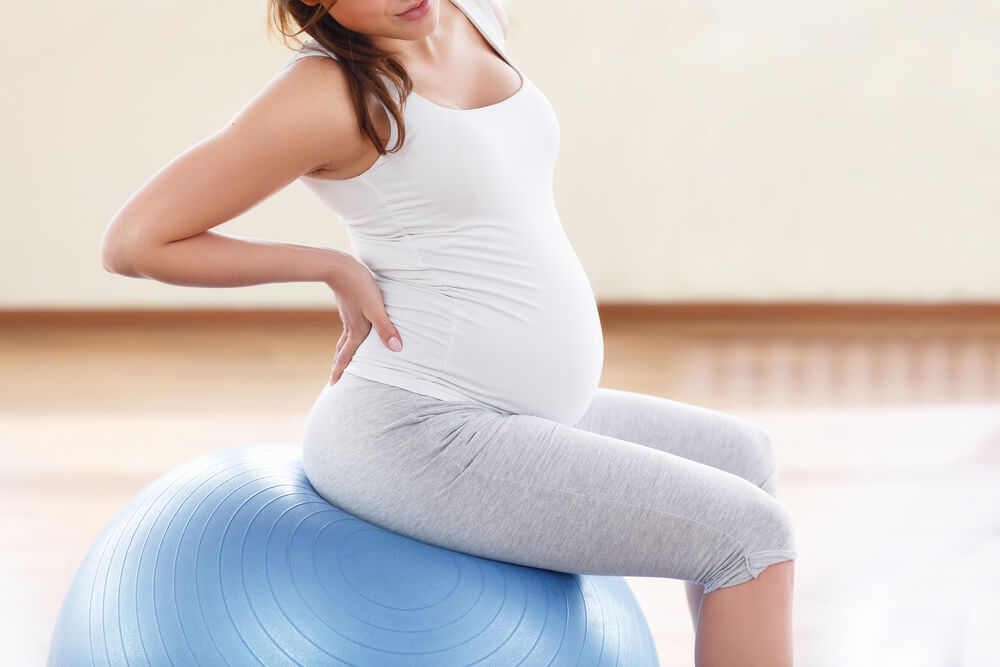
    Tailbone pain or coccydynia is common among pregnant people for a few reasons. The coccyx curves underneath the uterus and other pelvic organs, so the weight of the developing baby can put pressure on it. Later in the pregnancy, the body releases hormones that soften the muscles and tissue in the pelvic area. This can make them more sensitive and tender. Pregnancy can also make you shift your posture to accommodate the baby, which can put a strain on your tailbone.

    There are some things you can try at home to ease tailbone pain during pregnancy:

    • Ergonomic cushions — Sit on an ergonomic cushion or a donut-shaped pillow to take pressure off your tailbone. 
    • Pelvic floor exercises — Pelvic floor exercises are especially helpful during pregnancy. They can make your body more resilient to physical changes that cause pain and even make labor a bit easier.
    • Stretching — Stretching your legs, hips and inner thighs may help with tailbone pain. Try a yoga sequence for lower back and tailbone pain. 
    • Heat or ice — Hot and cold therapy can help ease pain from a sore tailbone. One may work better for you than the other, and alternating hot and cold can be effective. Try applying an ice pack for 20 minutes and then switch to a heating pad for 20 minutes. 
    • Posture — Sitting with good posture may take some pressure off your tailbone. Try some posture exercises and do them throughout the day to build your awareness of your posture.
    • Sleeping position — Sleeping on your back can worsen tailbone pain — besides, it’s discouraged during pregnancy. Try lying on your side and use pillows to create stability if you’re not used to this position. 

    How can physical therapy help with tailbone pain during pregnancy?

    A physical therapist can provide treatments that help relieve tailbone pain during pregnancy, and they can advise you on how to manage your tailbone pain and other symptoms that cause discomfort at home. Physical therapy for pregnant people usually involves some exercises to strengthen the abdomen, lower back, and pelvic floor and help relax tension in these areas. Having more control over these muscles can help with things like bladder control and prepare you for a better experience during labor. Your PT can also provide manual therapy treatments to help relieve pain and pressure.

    At Border Therapy Services, we’re passionate about helping people take control of their wellness during and after pregnancy. Our PTs specialize in treatments and exercise programs that help with various aches, pains, and physical symptoms that can come up during pregnancy. 

    Are you looking for a partner to help you manage pregnancy-related symptoms like tailbone pain? Call us or request an appointment today. Let’s create your personalized plan to minimize pain and maximize wellness during pregnancy.

  • 3 tips for running in cold weather

    3 tips for running in cold weather

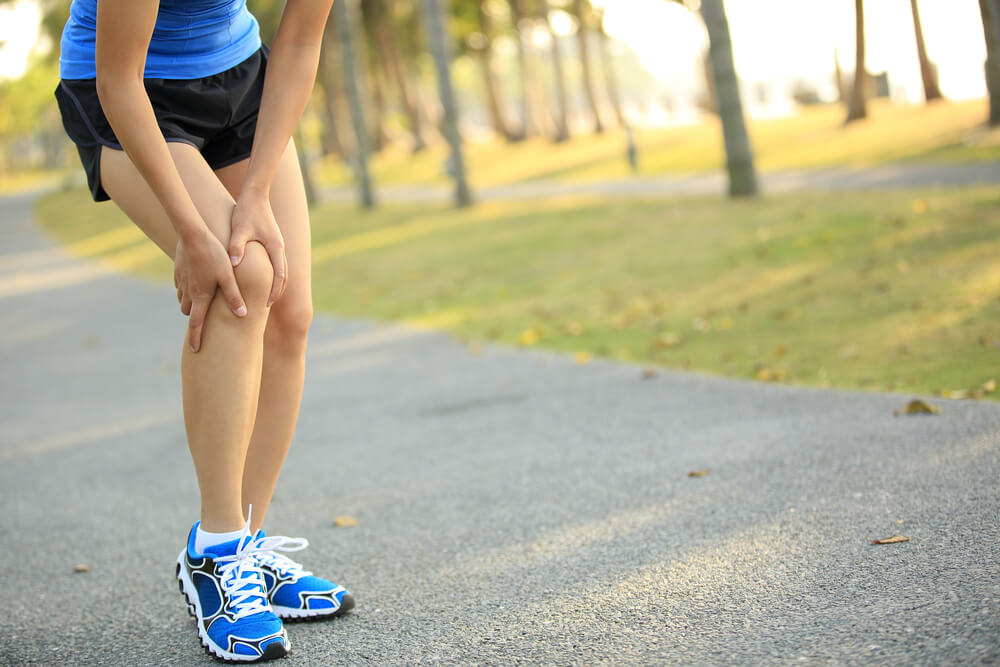
    Are you having trouble running in cold weather? When you’re not adequately prepared, running in the cold can cause issues ranging from hip and knee pain to shortness of breath. Fortunately, you can avoid these issues with the right approach. By preparing well and using proper techniques, you can have a great experience making the most of your cold-weather runs.

    3 tips for running in the cold

    • Wear layers — Wearing layers is key to maintaining body warmth, which is crucial to performance as well as comfort. One study on athletic performance in cold weather recommends wearing layers of high-quality clothing. Ideal clothing will be well insulated and dry quickly, as some materials can lose insulation when wet from sweat, rain or snow. For a base layer, you may want to wear a shirt made from a moisture-wicking material. This kind of material can help keep sweat off your skin without dampening your clothes. On top of this layer, you may want to add one or two more. Cold-weather runners often wear an insulating middle layer and a protective outer layer. Your outermost layer might consist of a water-resistant windbreaker or something similar. Make sure your clothing protects your limbs as well as your torso. Keep your hands and feet warm, as body warmth can drain through these extremities.
    • Warm up — Running in the cold can make your muscles feel stiff and sore, especially if you haven’t warmed up beforehand. To help ensure your best performance, make sure to warm up before you go outside. Helpful warmups can include dynamic stretches such as lunges. Focus on warming up the muscles in your core, hips and legs. A physical therapist can help you develop an effective warmup routine.
    • Breathe properly — Breathing properly is crucial for maintaining stamina and avoiding cramps while running in the cold. A physical therapist can help you find useful breathing techniques, such as taking slow, deep breaths at a rhythmic pace. You may also want to cover your face with a scarf to trap heat, as this can warm the air you inhale.

    Stay safe and fit while running with professional guidance from Whatcom Physical Therapy

    Whatcom Physical Therapy can help you stay fit, safe and healthy as you improve your running performance. Our team is committed to helping each patient achieve their goals.

    Call us or request an appointment today to learn how we can help you improve your ability to run.

  • 10 benefits of cardiovascular exercise

    10 benefits of cardiovascular exercise

    When was the last time you got light to moderate exercise more than three days in a week? Most people today live a sedentary lifestyle, which means we spend most of our time sitting. If you don’t exercise often, any kind of physical activity can lead to an injury. An afternoon playing your favorite sport, a home remodeling project or even some heavy cleaning may be enough to bring on a repetitive strain injury.

    Only about 1 in 5 adults and teens gets the recommended amount of exercise per week. This is a big reason why conditions like obesity, diabetes and heart disease are so common. There are many different medications on the market that claim to help people lose weight. However, none of them deliver the same health benefits as cardiovascular exercise. There’s no substitute for moving your body and getting your heart pumping. 

    Understanding the benefits of cardiovascular exercise can be a great motivator in itself. This article lists 10 benefits you can expect from regular cardiovascular exercise.

    What is cardiovascular exercise?

    Cardiovascular exercise or aerobic exercise is any sustained activity that gets your heart beating faster. The ideal heart rate for cardiovascular exercise is different for everyone — it should be about 50% to 70% of your maximum heart rate. Activities like jogging, cycling, swimming and walking make great cardiovascular exercise. The American Heart Association recommends 150 minutes (2.5 hours) of heart-pumping physical activity per week, spread out over most days. You should also do moderate- to high-intensity muscle-strengthening activity (like resistance or weights) at least two days per week.

    10 benefits of cardiovascular exercise

    When you challenge your heart, lungs and muscles to work a little harder, they get stronger. Better circulation from regular exercise improves many vital functions in the body, from your immune system to blood sugar regulation. You’ll start to have more energy, and there’s a good chance you’ll notice more endurance and a better mood.

    There’s no “easy button” to take care of your exercise for you. However, there are ways to make it more fun and more convenient. Finding an exercise buddy can help keep you accountable for working out, and some company on walks or bike rides can make them more enjoyable. There are even some video games on certain consoles like the Nintendo Wii or virtual reality systems that make great exercise. Dancing definitely counts as exercise, too! 

    Going to a gym can make it easier to get exercise when the weather isn’t great. However, spending money on a gym membership doesn’t always motivate people to use it. It can be helpful if you like swimming or group classes. At the very least, you can try making a playlist of music that makes you want to move. Or try to find some scenery you can enjoy, like a lakefront, a park or a nature preserve.

    When you get the recommended amount of cardiovascular exercise each week, you’ll enjoy the following benefits:

    • Better circulation — Cardiovascular exercise improves your circulation in a couple of different ways. A strong heart can pump blood through your system more effectively, and your blood can carry more oxygen to every part of your body when you exercise often. This helps you fight off infections and heal wounds faster. It also helps you feel stronger and more alert.
    • Better sleep — You’ll fall asleep faster and enjoy deeper, more restful sleep with regular cardiovascular exercise. When your body is tired from working out, you get more REM sleep, which is important for your brain health and mental health. Just be careful not to exercise too close to bedtime since it takes your body some time to wind down.
    • Lower risk of serious health conditions — Cardiovascular exercise reduces the risk of many common health conditions. It helps regulate your cholesterol, blood pressure and blood sugar while protecting against metabolic syndrome. All of these things are risk factors for serious conditions like heart disease, diabetes, stroke and some types of cancer. Weight-bearing exercises such as walking also strengthen your bones to help lower the risk of osteoporosis.
    • Better overall heart health — Cardio helps keep your blood vessels healthy and regulates the levels of lipids, triglycerides, sugars, oxygen and other components in your blood. Of course, it keeps your heart muscles strong and functioning at their best. It also helps control your overall blood pressure and resting heart rate.
    • Helps regulate blood sugar — Maintaining healthy blood sugar is important for preventing Type 2 diabetes. Those who have diabetes have shown improved sensitivity to insulin and better glycemic control after exercise training. You’ll also notice more consistent energy levels and fewer cravings for sugary foods when you’re exercising regularly. 
    • Lower stress level — Yes, your body releases endorphins after a good workout. But that’s only one of the reasons why it helps you relax. Exercise helps you feel grounded in your body and reduces the effects of stress, such as your fight-or-flight response. Better sleep, improved circulation, more strength and the other benefits listed here all help lower your stress level. 
    • Helps you maintain a healthy weight — Again, the benefits of exercise go far beyond the obvious. In addition to burning calories, better heart health, blood sugar levels, digestion and all-around fitness add up to help you maintain a healthy weight. Toning your muscles with some strength training a couple of days per week will help you get more out of your cardio.
    • Improved immune function — Exercise boosts your production of a wide range of different immune cells, and it helps you fight inflammation. It also helps you maintain a healthy gut microbiome and aids digestion, which helps prevent things like irritable bowel syndrome. In general, staying strong and keeping your body in better condition makes you more resilient to all kinds of common health problems.
    • Improved stamina, fitness and strength — When you start to exercise more often, you’ll notice more strength and stamina in everyday activities like climbing stairs and lifting things. Your lung function will improve, and many people see improvements with joint conditions like osteoarthritis. Of course, your capacity for exercise will increase, too. If walking a mile seems unthinkable right now, know that it will get easier.
    • Better mood and cognitive function — All of the health benefits of regular cardio, including better sleep, better brain function and more endorphins, contribute to a better overall mood. Some other perks you might notice include more energy, a better ability to focus, a better appetite and better sexual function.

    Get a personalized plan for safe and effective cardiovascular exercise at Rehab Access

    So what do you do if you haven’t exercised in several years, or if you have a health condition that makes it difficult? It’s a good idea to begin with just 10 minutes a day for a few days a week and gradually increase. There are no hard-and-fast rules about what counts as exercise and what doesn’t. You don’t need to have any special clothes or a gym membership. As long as it’s something you enjoy and it gets your body moving, it’s a good start.

    At Rehab Access, it’s our job to help make fitness a fun and safe part of your routine. We work with a lot of patients who have arthritis, chronic pain, injuries and other conditions that can make it hard to exercise. Our PTs are great at creating individual exercise plans that help people work toward their unique fitness goals. They can even help you troubleshoot your exercise challenges to find activities that work for your body and your lifestyle. 

    Do you have questions about starting an exercise program? We can help! Call us or request an appointment today. Let’s talk about your wellness goals and start creating your customized fitness plan.

  • 10 key questions to ask as you shadow a physical therapist

    10 key questions to ask as you shadow a physical therapist

    It’s never too early to start shadowing physical therapists, but what is PT shadowing? It means following a licensed PT as they do their job and asking physical therapy-related questions, which will show you the reality of what it means to be a PT in day-to-day life. You can also ask physical therapy-related questions to get a better feel for the job. Following a stranger around their place of work can feel awkward or uncomfortable, but most PTs will be fine with you shadowing, and shadowing can even be beneficial to patients. 

    Before you become a PT, you need to put in many hours of schooling, so it’s important to ask questions about physical therapy to make sure that this path is the right one for you. At SOL PT, we want future PTs to be prepared and excited for the work they’ll be doing on our team. Shadowing may help you determine whether you want to become a PT.

    What to ask when shadowing a PT

    Prepare yourself with a list of physical therapy-related questions to ask that can help you understand what the PT you’re shadowing does and why they do it. Here’s a list of 10 physical therapy questions to get you started:

    • How did you decide you wanted to become a physical therapist?

    This physical therapy question can help you break the ice and start a conversation with the PT you’re shadowing for the day. It can also help you look critically at your own reasons for becoming a PT.

    • What was your PT school experience like?

    This is an especially important physical therapy question if you haven’t started graduate school yet. You can follow this question up by asking what they did or didn’t like about the program they chose, which can help you weed through the programs you’re considering to determine the best one for you. 

    • Why did you choose to become a PT versus a PTA?

    Physical therapists and physical therapist assistants have very different jobs, and it’s important to know which one you want to do, because knowing why someone else chose to be a PT can help you make that decision.

    • What are your favorite/least favorite things about your job?

    Even if you love your job, there will be things about it that you don’t like, so it’s important to know the “good and bad” of being a PT so you’re prepared.

    • Can you tell me about this patient’s diagnosis or injury and how you’re treating it?

    Simply following a PT around won’t tell you everything you need to know about their job, so ask physical therapy-related questions and be curious! It can be enlightening to know not only what the PT is doing, but why they’re doing it.

    • What are your typical work hours? How many patients do you see per hour or per day?

    This is a more practical physical therapy question about the day-to-day aspects of the job. It’s important to know what kind of a job you’ll be getting into before you start. And knowing what the expectations are for a typical PT can be really helpful in determining if this is the right job for you.

    • What are some interesting continuing education courses that you’ve taken?

    Continuing education is necessary for most PTs, and depending on what state you practice in, you may need to do up to 40 hours of continuing education every two years. So, the more recommendations you can get for interesting and beneficial classes, the better.

    • What are your most rewarding experiences with a patient?

    No matter how challenging the job of a PT is, it’s rewarding, too, and holding on to those rewarding experiences can help you through difficult days. Find out why your PT loves the work they do!

    • How do you manage difficult patients?

    One of the main goals of a PT is to help patients regain mobility. But it requires a lot of interpersonal skills as well. Ask your PT how they manage patients who disagree with their opinions, who bring up hot topics like politics or religion, or who are angry or upset during PT sessions. This may help you be more prepared in the future.

    • Are there any books or resources you’d recommend to learn more about physical therapy?

    No matter how great the PT you’re shadowing is, they can’t answer everything for you, but they’ll probably have some great resources you can read to learn more on your own.

    You don’t need to prepare for shadowing the same way you’d prepare to start a new job, but knowing what physical therapy questions to ask can help you make the best use of your time.

    Why we want to help PT students 

    Just as we want to help our patients succeed in regaining their mobility, we also want to help future PTs succeed in their chosen career path. Our goal is to give you the opportunity to see what being a PT is like and to ask physical therapy-related questions so you can make an informed decision about your education. The better we train PT students today, the more prepared our future PTs will be tomorrow.

    Call us or check out our page today to learn more about PT shadowing opportunities.

  • Postpartum dizziness: Potential causes and treatments

    Postpartum dizziness: Potential causes and treatments

    Pregnancy and childbirth is often an exciting journey. However, giving birth is a physically intense process that can leave you weak and fatigued. You may feel several lasting side effects, such as postpartum dizziness.

    You don’t have to suffer through your postpartum dizziness, with the accompanying nausea and headache. There are several treatment options available that can help you reduce your symptoms, including physical therapy.

    What are some potential causes of postpartum dizziness?

    There are several physical and emotional conditions that may be linked to dizziness during and after pregnancy. Some potential causes of postpartum dizziness include:

    • Positional vertigo — Benign paroxysmal positional vertigo (BPPV) is one of the most common causes of vertigo. BPPV causes mild to severe episodes of dizziness, loss of balance and nausea. Typically, BPPV episodes are triggered by changing the position of your head. This can be when you tilt your head up or down, when you lie down, or when you turn over in bed. While there is no solid connection between BPPV and pregnancy/childbirth, BPPV is more common in women. 
    • Postpartum anemia — After pregnancy, you’re at an increased risk of iron deficiency anemia. While you’re pregnant, the amount of blood in your body increases, and so does your need for iron. If you do not meet your body’s increased need for iron throughout your pregnancy, you may develop iron deficiency anemia after childbirth. This can cause postpartum dizziness. Other symptoms of iron deficiency anemia include lightheadedness, fatigue, weakness and shortness of breath.
    • Dehydration — New mothers are also at a greater risk of dehydration. Breastfeeding can cause you to lose fluids faster than you may be used to. If you do not replenish these fluids by drinking plenty of water, you run the risk of becoming dehydrated. Juggling long, sleepless nights and busy days caring for your newborn can also make it hard for new mothers to remember to drink water. This can lead to severe dehydration and postpartum dizziness.
    • Postural hypotension — Postural hypotension is a type of low blood pressure that happens when you stand up after sitting or lying down. If you spend long periods of time resting in bed, you may develop postural hypotension during pregnancy or after childbirth. This type of low blood pressure is often mild. Most people only experience brief episodes of dizziness after standing.
    • Low blood sugar — When your blood sugar levels are low, you may experience dizziness or lightheadedness. This is because low blood sugar reduces the flow of necessary fuel to the brain. Low blood sugar can be more common during and after pregnancy. During pregnancy, your body needs more fuel to provide energy for both you and your growing baby. After birth, breastfeeding can also reduce your blood sugar levels. This can cause your blood sugar levels to decrease and in turn cause postpartum dizziness.
    • Postpartum depression — Some women may experience postpartum depression after giving birth. At first, it may seem like a case of the “baby blues.” However, if you experience intense anxiety, mood swings and irritability for a period longer than two to three weeks, you may have postpartum depression. Postpartum depression symptoms can also include a variety of unusual physical symptoms, including dizziness and headache. If you think you may be experiencing postpartum depression, help and support are available. Please contact your doctor right away.

    Treatment options for postpartum dizziness

    Depending on the potential cause of your postpartum dizziness, there are a variety of treatment options available to help manage your symptoms.

    If you have low blood sugar, are anemic or are dehydrated, you may need to adjust your diet and lifestyle habits. During pregnancy and after childbirth, it is especially important to be attentive to your body’s needs. You can potentially reduce your postpartum dizziness by:

    • Eating frequently and consistently.
    • Avoiding excessive exercise and activity.
    • Taking iron supplements or eating iron-rich foods.
    • Drinking plenty of water and other fluids, such as natural fruit juices.
    • Avoiding caffeine, which can increase your need to urinate and cause dehydration.

    If you make these lifestyle adjustments and still experience postpartum dizziness, it is possible that your symptoms are linked to BPPV or another inner ear issue. In this case, you should consider seeing a physical therapist for vestibular rehabilitation.

    BPPV, mentioned above, develops when small calcium crystals in your ear move into the semicircular canals. The semicircular canals are the structures in your inner ears that control balance. When you move your head, these small crystals roll around in your inner ear, causing vertigo. A physical therapist can lead you through a series of exercises that will move these small crystals out of your inner ear. For example, your physical therapist may guide you through the following steps:

    1. Start by sitting up on a bed or table. Turn your head 45 degrees toward the affected ear.
    2. Quickly lie back, keeping your head turned toward the affected ear. As you lie back, hang your head slightly over the edge of the bed or table.
    3. Maintain this position for about a minute or until you stop having symptoms.
    4. Without raising your head, quickly turn your head in the opposite direction. Your “good” ear should be parallel with the table or bed. Wait about a minute.
    5. Roll onto your side. Continue to turn your head until your nose is facing the floor. 
    6. Keeping your chin tucked into your shoulder, sit up in the direction your body is facing.

    If your postpartum dizziness is linked to BPPV or another inner ear condition, this and similar repositioning exercises can help reduce your symptoms. 

    Struggling with postpartum dizziness? Peak Performance Sports and Physical Therapy can help

    Pregnancy and childbirth can take a toll on your body. With the support of our licensed health professionals, you can jump-start your healing journey and celebrate the joys of parenthood sooner rather than later.

    Peak Performance Sports and Physical Therapy strives to help people of all ages and abilities enjoy life to the fullest. Contact us today for more information on how we can help reduce your postpartum dizziness symptoms. 

  • Pinched nerve vs. pulled muscle: Which is causing your pain?

    Pinched nerve vs. pulled muscle: Which is causing your pain?

    So, you’re feeling pain in your back or some other region of your body but you’re not sure if it’s a pinched nerve vs. a pulled muscle? The two might be confusing if you’re unfamiliar with the symptoms of each. However, there are some notable differences between the two. 

    If you’re hoping to learn more about the difference between a pinched nerve vs. a pulled muscle, keep reading the information below.

    What is a pinched nerve vs. a pulled muscle?

    • Pinched nerve — A pinched nerve occurs when a nerve in the body becomes compressed or put under pressure by something around the nerve. Some examples of tissue that could place pressure on a nerve include bone, cartilage, muscles and even tendons.
    • Pulled muscle — A pulled muscle occurs when a muscle or tendon becomes overstretched or torn. They’re usually caused by overstraining the body during physical activity, like during a sports game or when lifting something heavy.

    What are the symptoms of a pinched nerve vs. a pulled muscle?

    • Pinched nerve — The symptoms of a pinched nerve are as follows:
      • Numbness or tingling.
      • Sharp, stabbing pain.
      • Weakness in the area.
      • Aching or radiating pain.
    • Pulled muscle — The symptoms of a pulled muscle are listed out below:
      • Pain in the area of the strain.
      • Reduced mobility.
      • Inflammation and swelling.
      • Bruising.

    What are the causes of a pinched nerve vs. a pulled muscle?

    • Pinched nerve — A pinched nerve typically occurs when a nerve becomes compressed by tissue in the body. The most common types of tissue that cause compression are tendons, cartilage, muscle or bone. An example of a scenario that could cause a pinched nerve is when a disc in the spinal column herniates and pinches a nerve, causing numbness, tingling and pain in the body. The symptoms of a pinched nerve aren’t always felt in the area where the compression is occurring, but rather can be felt radiating away from it instead. Some specific conditions that can lead tissue to push on a nerve include repetitive motion and arthritis.
    • Pulled muscle — Pulled muscles often occur as a result of repetitive movements and injury, like lifting something heavy. Certain physical activities like contact sports can put a person at an increased risk of pulling a muscle.

    What treatments work best for pinched nerves vs. pulled muscles?

    • Pinched nerve — Some of the most common treatments for pinched nerves include resting and taking anti-inflammatory pain medication. You will need to temporarily stop doing the activities or movements that may be aggravating your pinched nerve. In addition to these treatments, it can be beneficial to seek treatment from a physical therapist. Physical therapists can help strengthen the muscles in the areas surrounding the nerve, reduce some of the inflammation around the nerve, and also relieve some of the pressure that may be causing the pinched nerve. They can also help you modify the movements you perform that may be causing the pinched nerve to flare up.
    • Pulled muscle — Some typical treatments for pulled muscles are also rest and anti-inflammatory medications. Some other treatment suggestions include icing the affected area and keeping it elevated. It may also help to keep the pulled muscle compressed, with a tight bandage or wrap. Physical therapy is also likely to be beneficial for those who have experienced a pulled muscle. Physical therapists are experts in helping people build muscle strength to prevent this injury from recurring and to support the area of injury. They also can help decrease any inflammation that is affecting the area. If your occupation is one where you’re frequently performing sharp movements or dealing with heavy objects, like moving boxes or heavy parts, you’re also more at risk.

    SSOR can provide you with the guidance you need whether you have a pinched nerve or a pulled muscle

    Here at Specialists in Sports and Orthopedic Rehabilitation, we strive to provide a level of care to our clients that they can’t find elsewhere. We supply care with a hands-on approach. Each of our treatment plans is unique to each individual, and we incorporate compassion to sweeten your care at each one of our multiple clinic locations. If you’re looking for a professional to help you address a pinched nerve or a pulled muscle, SSOR is the right place to visit.

    We value patient education, evidence-based outcomes, and maintaining an atmosphere of empathy. Our team consists of experienced, licensed physical therapists who aim to help improve your physical health while helping you reach your wellness goals. Whether you’re dealing with a pinched nerve or a pulled muscle, our SSOR team is prepared to help you reduce pain and inflammation while improving your range of motion and strength. You’ll be on the path toward recovery in no time.

    Contact us today for more information or to schedule an initial appointment. 

  • Can you elevate an injury too much?

    Can you elevate an injury too much?

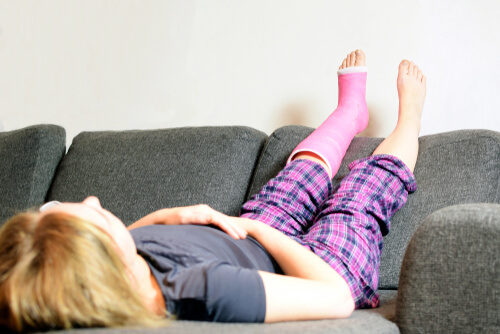
    Yes, it is possible to elevate an injury too much. Elevation is a technique commonly used to treat many musculoskeletal injuries ranging from foot fractures to tendinitis in your knees. Elevating injuries in your legs or arms can encourage blood flow to inflamed tissue and reduce swelling. The benefits of elevation can make it a valuable asset to your treatment plan. 

    However, elevating your injured area too high or for too long can have several consequences. Thankfully, physical therapists can help you determine the appropriate elevation height for you and your injury. They can also help you learn how long to elevate your injury at one time. Even better, a physical therapist can offer effective treatment options that go beyond elevation.

    [maxbutton name=”Request an Appointment”]  [maxbutton name=”Call Us Today”]

    Why are you elevating your injury in the first place?

    Elevating your injury above your heart for at least 15 minutes can have several health benefits, including promoting: 

    When should you avoid elevating an injury too much?

    Despite all its benefits, elevation can also come with many dangers depending on your preexisting condition. Elevating your injury for long periods of time can be especially risky if you have certain heart conditions or blood pressure issues. This is mainly because elevating your injury can lower your blood pressure and decrease the rate of blood flow throughout your body. As a result, some conditions can actually worsen with prolonged elevation. Those conditions can include: 

    If you have any of the above conditions or any conditions related to them, it is important that you speak to your doctor before you attempt to elevate your injury for a long period of time. The benefits of injury elevation can be numerous, but the potential dangers can also outweigh them if you are at high risk. 

    What can you do to make sure you’re not elevating your injury too much?

    If you’re concerned that you might be elevating your injury too much, there are several ways you can ensure that you’re elevating your injury safely and effectively. You can follow the following steps to protect your injury while encouraging it to heal: 

    • Listen to your body.

    The way in which your body reacts while you elevate your injury can tell you a lot about its limitations. For example, if you elevate your legs for 30 minutes at a time and feel an uncomfortable tingling sensation, you may need to decrease the amount of time you are elevating them. You should also know your medical history and understand that your medical condition may cause elevation to increase your heart rate or make you dizzy. 

    • Find the best angle to elevate your injury.

      The symptoms of your injury can worsen if the angle of your elevation is too intense. For example, a study found that patients who elevated their legs at 90 degrees experienced numbness and throbbing pain. However, they felt comfortable when elevating at a 30-degree angle. Another study found that elevating the legs at a higher degree does not correlate to a better or faster healing process. Instead, it can simply lead to more discomfort. Physical therapists and other medical professionals can teach you how to correctly elevate your injury.

    • Ask a medical professional how long you should elevate your injury every day.

      You want your injury to heal quickly, and elevation can be a great way to help you do that. However, your medical history may make elevation unsafe. Your physical therapist or doctor can evaluate your medical history and recommend or advise against elevating your injury every day. Your physical therapist may also recommend breaking up your elevation time into segments throughout the day, depending on your injury. 

    Your injury can most likely benefit from routine elevation. However, the above steps can help you safely add elevation to your treatment plan. 

    Find treatment for your musculoskeletal injury at Rehab Access PT

    Keen to make sure your injury has the most effective treatment possible? Our team at Rehab Access Physical Therapy offers top-notch treatment for a variety of musculoskeletal injuries. Our free screenings can determine the type and severity of your injury. In addition, our physical therapists are adept at creating therapy plans that are unique to each patient’s needs. 

    Contact our team today for more information about how we can help treat your injury in the greater New Orleans area.  We have locations in Metairie, Belle Chasse, and Gretna.

    [maxbutton name=”Request an Appointment”]  [maxbutton name=”Call Us Today”]

  • Why do I feel pain from hip to knee on the outside of my leg?

    Why do I feel pain from hip to knee on the outside of my leg?

    Your knees and hips are intricately connected by a series of nerves, ligaments, and tendons. A simple imbalance in your hip alignment or posture can strain your knee joints and increase your pain. In fact, a study showed that more than 11% of older people reported having a combination of both hip and knee pain at the same time. This dual pain could be caused by a variety of conditions, including: 

    • Osteoarthritis.
    • Sciatica. 
    • Labral tear in the hip.
    • Iliopsoas bursitis. 

    Hip or knee pain alone can make even simple activities like getting up from a chair or walking difficult. When discomfort radiates from both of your joints at the same time, that difficulty can exponentially increase. However, none of these causes may be the source of your pain. In fact, the location of your hip to knee pain indicates that you may have a condition called iliotibial (IT) band syndrome.

    Your pain’s location can help pinpoint its cause

    Knowing the location of your pain can help medical experts determine its cause. For example, hip and knee pain that is concentrated on the outside of your leg is most often linked to IT band syndrome. This condition can cause pain to radiate pain from your hip to your knee along the outside of your leg, but it can also cause several other symptoms, too.

    Knowing what causes IT band syndrome can help you take steps to begin your treatment quickly, which may include going to physical therapy. Physical therapists can help you find a treatment plan that eases inflammation in your IT band.  

    What is the IT band?

    The IT band is a long piece of connective tissue in your leg, and it runs from the side of your pelvis all the way to your shinbone. On its way from your hip to your knee, it presses against the outside of the thigh and skirts along the outside of your knee. As a result of this placement, IT band inflammation can be a likely cause of hip to knee pain on the outside of your leg. 

    What causes IT band syndrome?

    IT band syndrome is a common knee injury caused by overuse. Your IT band can become tight and irritated after repetitive movements, leading it to swell and rub against other tissue when you bend your knee. This friction can alter the way you carry yourself when you walk. While dealing with knee pain, you may overrely on other joints — especially your hips — to bear your body weight. However, you can further inflame your IT band at the side of your hip, making you feel hip pain as well as knee pain along the outside of your leg. 

    What are common symptoms of IT band syndrome?

    Symptoms of IT band syndrome can include: 

    • Pain on the outside of your knee. 
    • Feeling a snap or pop after moving your knee. 
    • Pain that radiates from your knee to your hip, especially when moving or stretching. 
    • Redness on the outside of your knee. 
    • Achy or tender-feeling hips. 

    Who can get IT band syndrome?

    Runners are more likely to develop IT band syndrome because of their constant repetitive movements. You can also develop IT band syndrome if you sit for long periods of time. This is because inactivity can restrict blood flow to your leg and lead to the inflammation of your IT band. Additionally, IT band syndrome is more common for people whose legs are different lengths. In fact, just a slight length difference could put enough strain on the IT band to make walking painful. 

    You can also experience IT band syndrome symptoms if you have weak quadriceps, which are the muscles located at the front of your thighs. Your quadriceps help your knee move and give it support. When your quadriceps are weak, more strain and weight is placed on the IT band. This stress can lead to overstretching, increased tension and pain. 

    You can avoid IT band syndrome symptoms by warming up properly before exercise, wearing comfortable and supportive shoes, and using correct form when exercising. 

    How can you treat hip and knee pain at the outside of your leg?

    Dealing with pain that radiates from your knee to your hip along the outside of your leg doesn’t have to be part of your daily routine. Resting can help your knee heal and encourage your hip into alignment. If you’re an athlete, you should consider taking a break from training and practice until the IT band has a chance to heal. However, taking an active approach to your treatment plan can also help you feel less pain. Physical therapy exercises and stretches can be a great way to relieve tension and heal faster. 

    The following physical therapy treatments can address IT band syndrome symptoms: 

    • Stretches — When your IT band along the outside of your leg is tight, it can pull on surrounding tissue and lead to further inflammation in your knee and hip joints. Targeted stretches for the IT band can help relieve tension in the IT band itself as well as in its surrounding tissue.

    • Exercises — Your physical therapist will give you exercises designed to reduce joint pain in both your knee and hip, as well as along the outside of your leg. While strengthening exercises can help repair weak tissue, range-of-motion exercises can help restore your mobilization and flexibility. You may also be given exercises designed to strengthen your core, lower back muscle groups and pelvic muscles to better support your hip joints.

    • Custom modalities — You physical therapist can customize your treatment plan to your symptoms and try a variety of modalities to help relieve your pain. For example, manual therapy allows physical therapists to target tight soft tissue, such as the IT band, with their hands.

    Advent Physical Therapy offers treatment plans for IT band syndrome

    Our team at Advent Physical Therapy is ready to help you treat the pain from the hip to the knee on the outside of your leg that comes from IT band syndrome. First of all, we offer free screenings, and this service can help you make sure that this is the issue you’re dealing with. We also provide every patient with a personalized therapy plan, and your plan may include therapy techniques such as: 

    Take the next step to get our help with your pain. Contact our team today for more information or to schedule an initial appointment.

When Was Your Appointment?

We recently changed bill pay providers. Please click the button for the date of your appointment to be directed to the correct online payment portal.