Please ensure Javascript is enabled for purposes of website accessibility

Category: Arthritis

  • What does rheumatoid arthritis in the elbow feel like?

    What does rheumatoid arthritis in the elbow feel like?

    Like all the other joints in your body, the elbow is likely to be affected by arthritis. However, unlike many joints, the elbows are more likely to be affected by rheumatoid arthritis. This type of arthritis is when the immune system mistakenly attacks the joints. Typically, rheumatoid arthritis occurs in all your joints at the same time, and this means both of your elbows could be affected. This form of arthritis can also cause you to feel several unpleasant sensations in your elbow joint. Here are three common feelings that rheumatoid arthritis can cause in the elbow: 

    1. Swollen

    One sensation that rheumatoid arthritis can cause in the elbow is the feeling that your elbow is swollen. When rheumatoid arthritis attacks the joints, its attacks are focused on the lining of the joints. These attacks tend to cause the soft tissue in the joint to become inflamed. Your body responds to this inflammation by sending fluid into the elbow, and this excess fluid is what makes your elbow feel swollen. 

    1. Stiff

    Rheumatoid arthritis can make your elbow feel like it’s much stiffer than normal. In part, this stiffness is a natural result of the swelling this condition causes. As fluid builds up in the joint, it restricts the movements of ligaments, muscles and bones in the knee, and these restrictions make the knee feel stiff and hard to move. Also, elbow stiffness from rheumatoid arthritis can be related to your decisions to move this joint less. People usually decide to move their elbow less with this condition in a mistaken belief that less movement will cause less pain. However, a lack of movement actually causes the joint to become stiffer, and it can also lead to more pain. 

    1. Painful

    This type of arthritis also tends to make the elbow feel more painful. The swelling that rheumatoid arthritis causes is part of the reason for this feeling, and this is because it increases the irritation of soft tissue in the elbow joint. In turn, this can lead to inflammation and pain. Stiff muscles can also lead to rheumatoid arthritis pain in your elbow. Stiffness is connected to increased pain because stiff muscles can place greater stress on joints, and this increased joint stress can lead to more pain. 

    Border Therapy Services can help you treat rheumatoid arthritis in your elbows

    At Border Therapy Services, we have lots of experience treating both osteoarthritis and rheumatoid arthritis. We know what having rheumatoid arthritis in your elbow can feel like, and these feelings are usually not good. We’ll help you get started with your elbow arthritis treatment with one of our free screenings. Then, our team will create a personalized treatment plan for you, and you plan could include therapy methods like: 

    Take the next step to get our help with your elbow arthritis. Contact our team today for more information or to schedule an initial appointment. 

  • Why does my wrist hurt when I bend it or put pressure on it?

    Why does my wrist hurt when I bend it or put pressure on it?

    You use your wrists to do many routine tasks every day, so when this joint hurts, it can make your day much more difficult. Wrist pain can slow down your typing and cause other work-related issues. It can also make it more painful to work out or play sports that you enjoy. If your wrist hurts when you bend it or put pressure on it, you might have one of three wrist problems. 

    1. Carpal tunnel syndrome

    Carpal tunnel syndrome is a wrist problem that can cause your wrist to hurt when it’s bent or placed under pressure. The carpal tunnel is a narrow passage through the wrist, and it’s through this passage that the median nerve enters your hand. The ligaments that help flex your fingers also run through the carpal tunnel. Repetitive workplace tasks like typing can irritate one or more of these ligaments, and this irritation can turn into inflammation. An inflamed ligament can rub against the median nerve. Bending the wrist or putting pressure on it can increase the likelihood of the ligament rubbing on this nerve, and this is why you may feel more pain when doing these actions. 

    1. Osteoarthritis

    Another issue that can cause your wrist to hurt when you bend it or put pressure on it is osteoarthritis. This type of arthritis typically comes from age-related wear and tear on cartilage in the wrist joint. The wearing can also be accelerated by wrist injuries you’ve had or by performing repetitive wrist movements frequently. 

    As the cartilage in the wrist wears away, it reduces the cushioning between the bones of your wrist. This is a problem because cartilage is what keeps wrist bones apart when you bend your wrist or place pressure on it. When the cartilage is worn away, these actions can cause wrist bones to rub together, leading to a lot of pain. 

    1. Wrist sprain

    Wrist sprains can also lead to pain when bending or putting pressure on the wrist. This type of injury is commonly caused by several factors. Impacts to the wrist while playing sports can be a factor that leads to a wrist sprain, and these impacts are more likely in high-contact sports like football and rugby. Falls are another factor that commonly cause wrist sprains. In both cases, the ligaments in your wrist could be sprained. Since these structures are used to bend your wrist, this type of movement can increase pain when the ligaments are injured. Placing pressure on the wrist also places more stress on the injured ligaments and can increase your pain. 

    Find help for pressure or movement-related wrist pain at Border Therapy Services

    Are you looking for a treatment option that can help reduce pain from bending or placing pressure on your wrist? Border Therapy Services offers physical therapy that can help. Our team will do a free screening to find out the source of your pain. Then, we’ll build you an individualized therapy plan, and this plan may include helpful therapy techniques such as: 

    Don’t wait to get our help with your wrist pain. Contact our team today for more information or to schedule an initial appointment. 

  • Five tips for running with knee arthritis in Blaine, WA

    Five tips for running with knee arthritis in Blaine, WA

    A lot of people in Blaine, Washington, love to go on runs to maintain their physical fitness and to clear their minds. Unfortunately, your ability to run can be limited by painful conditions like arthritis in the knee. However, just because you have a condition like arthritis, it doesn’t mean that you need to sit on a couch for the rest of your life.

    You might be surprised that you can actually keep running if you have knee arthritis. But there are some tips you should follow. 

    Before we dive into what these tips are, we want to note that you should always talk to your doctor for any advice pertaining to your individual situation. These tips are helpful for most people with knee arthritis, but you may need to follow different advice depending on your condition.

    Five tips that can keep you running when you have knee arthritis

    1. Listen to your body — Yes, you may still be able to run despite having arthritis, but your limits won’t be as high as they used to be. You need to pay attention to your body for any signs of pain and slow down or stop when you reach this point. In general, you may want to adopt a new routine that’s slower and takes place on less challenging grounds.
    2. Change your footwear — Lack of support in your feet causes a chain reaction when running that stems from the feet to the ankles, to the knees, hips and even into your back. You’ll want to find some customized footwear or insoles that can help improve support for your knees to reduce pain when running with knee arthritis. Even if you already use custom footwear for running, you might need to make a change when you’ve been diagnosed with arthritis.
    3. Always warm up and cool down — Stretching and taking a walk before running is a good way to prepare your muscles and soft tissue for a run. When your body is more prepared, you’ll put less strain on your knees while running.
      Make sure you stretch and walk after you’re finished too so your muscles can cool back down. Immediately going from running to resting can shock the muscles, which causes tension that just ends up putting strain on the knees.
    4. Try low-impact exercises — Gentle exercises like swimming or yoga exert low amounts of force onto your joints. This can help strengthen the knees without straining them so you’ll be better prepared to go for a run.
    5. Visit a physical therapist — Physical therapists can guide you through exercises and stretches and provide manual mobilization techniques that help reduce pain in the knees and improve your range of motion. Physical therapy also decreases your dependency on surgery and medications as treatments for arthritis. 

    Visit Whatcom Physical Therapy in Blaine, WA, for knee arthritis treatment

    Are you a runner whose knees are hurting from running thanks to arthritis? Our physical therapists at Whatcom Physical Therapy in Blaine can help. Contact our team today for more information about knee arthritis treatment or to schedule an initial appointment.
  • TMJ pain treatment from physical therapists in Kentwood, MI

    TMJ pain treatment from physical therapists in Kentwood, MI

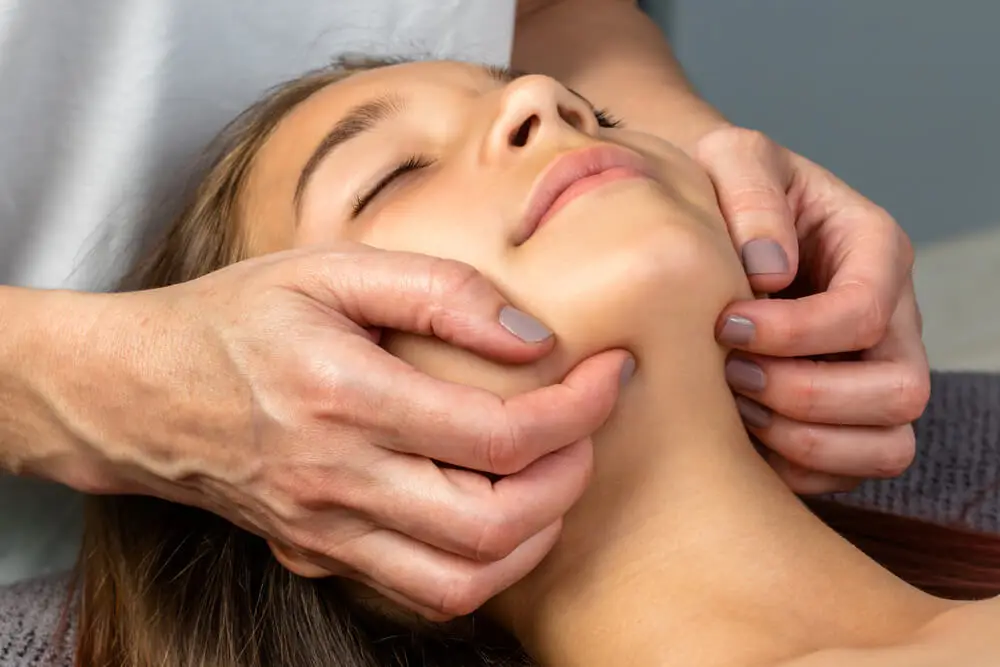
    A dentist is likely to be your first choice for temporomandibular joint (TMJ) pain treatment in Kentwood, Michigan. However, you may not be aware that dentists can have you seek physical therapy for your pain. This is because TMJ pain is often caused by non-dental issues with the jaw joint. For instance, you may have shoulder, neck or jaw muscle problems that may be causing your TMJ pain, which may be treated using several physical therapy techniques. 

    1.   Joint mobilization

    Arthritis could be one reason you’re feeling TMJ pain, and it can also cause you to move your jaw as little as possible. However, this enforced stillness can lead to increased stiffness and pain in the TMJ. To help combat these symptoms, a specific type of manual therapy called joint mobilization can be used by physical therapists. 

    Joint mobilization involves performing movements specifically designed to reduce joint stiffness and pain, but you may have trouble doing these moves on your own at first. For this reason, a physical therapist can use their hands to gently guide your jaw through the movements. One example of a movement they may guide your jaw through is a lateral glide. This movement involves moving your jaw side to side to loosen the joint. 

    2.   Soft tissue mobilization

    Since TMJ pain can also come from tense neck and shoulder muscles, your therapist may also use soft tissue mobilization during your treatment. This technique is also a type of manual therapy, and it’s intended to release tension in the targeted muscles. The therapist will use their hands to manipulate the muscle in various ways. This can help release tension in the muscle and lead to decreased pressure on the TMJ. 

    3.   Therapeutic exercises

    The first two TMJ pain treatment techniques focus on reducing joint and muscle tension, but they may not be very helpful if the root cause of your pain is weak muscles. Weak muscles in your jaw, neck and shoulders can also place pressure on the TMJ, and this can cause the jaw to move in ways that are painful. Using various types of exercises, your therapist can help you build up muscles that control and support the jaw. In turn, this can help restore normal jaw alignment and reduce TMJ pain.

    Advent Physical Therapy in Kentwood, MI, offers TMJ pain treatment

    At our Kentwood clinic, our Advent Physical Therapy team has worked with patients and dentists to treat TMJ pain. In many cases, we receive information from your dentist about your condition, and we’ll do our own one-on-one screening to verify it. Then, we’ll put together a treatment plan that’s personalized to you, and your plan may include the three therapy techniques discussed above. 

    With our help, you can be chewing with little or no pain sooner than you might think. Contact us today for more information or to schedule an initial appointment to treat your TMJ pain.

  • Three exercises to avoid with knee arthritis in Saint Peters, MO

    Three exercises to avoid with knee arthritis in Saint Peters, MO

    Arthritis is a growing problem across the U.S., and Missouri is no exception. The Missouri Regional Arthritis Centers (MRAC) reports that about 1.4 million Missourians are living with some form of arthritis. If you suffer from knee arthritis, considering avoiding these three exercises:

    1.   “W” sit

    The “W” sit is a stretching exercise you should definitely avoid if you have arthritis in the knee. This type of sitting is more common with children, but it has been adapted by some adult athletes to stretch the quads and hip rotators. To do this stretch, you kneel down with your shins flat on the ground, and then you let your butt drop toward the ground. Unfortunately, this stretch places a lot of stress on the knees, hips and ankles, and this is why knee arthritis patients should skip it. 

    2.   Deep squat

    Another exercise to avoid with knee arthritis is the deep squat. To do a deep bodyweight squat, you place your feet about shoulder width apart. Then, you sit back like you’re trying to sit down in an imaginary chair. While this exercise can be very good for some people, knee arthritis patients should avoid it. One reason for this is the motion places a significant level of stress on the knees. Also, arthritis-related knee weakness can cause your knees to move inward during the squat, and this can lead to even more wearing in the knee and can even cause anterior cruciate ligament (ACL) tears. 

    3.   Deep Lunge

    Like deep bodyweight squats, the deep bodyweight lunge is an exercise people with knee arthritis should stay away from. This exercise is basically a one-legged squat, and it can place a lot of stress on the knee. Also, people with knee arthritis may have more difficulty maintaining proper form during this exercise. The most common example of poor lunge form is letting your knee move in front of the toes when lunging. This increases the compression force on the kneecap, and it can lead to increased knee cartilage damage. 

    Let Excel Sports & Physical Therapy help you treat knee arthritis in Saint Peters, MO

    Excel Sports & Physical Therapy has a clinic in Saint Peters, Missouri, that can help people treat many forms of arthritis. We’ll perform a one-on-one screening to determine information like the type of arthritis you have and your level of pain. Then, our team will build you a personalized treatment plan, and these plans are designed to provide benefits like: 

    • Reduced pain
    • Improved joint mobility
    • Increased ability to do normal daily tasks

    Are you ready to get our help with your arthritis? Contact our team today for more information or to schedule an initial appointment. 

  • Three tips for treating arthritis ankle pain at night

    Three tips for treating arthritis ankle pain at night

    According to the Centers for Disease Control and Prevention (CDC), about 23% of Americans have some type of arthritis. This issue can easily affect your ankle, and the pain it causes can seem worse at night. Your ankle arthritis pain can even keep you from falling asleep or staying asleep. Fortunately, there are options you can try that could help reduce your pain. Here are three tips for treating arthritis ankle pain at night: 

    1.   Exercise during the day

    Physical activity is important for treating ankle arthritis, and it can even help you deal with arthritis ankle pain at night. For one thing, exercise releases endorphins, and these are the body’s natural painkillers. Doing even moderate exercise like walking during the day can also help tire you out, and this typically makes it easier to fall asleep and stay asleep. However, some people may find that exercising too close to bedtime can increase pain. If this is true for you, make sure to do your exercising well before it’s time for you to hit the sack. 

    2.   Cushion your ankle

    Another tip that can help treat your arthritis ankle pain at night is giving your ankle some extra cushioning. This can be an especially important tip for side sleepers. When you sleep on your side, the ankles rest on top of each other. This can cause them to grind together, which can lead to an increased level of pain. To help prevent this, you can place a small pillow between your ankles. This will provide some cushioning between your ankles, and it can also help improve your spinal posture. 

    3.   Create a relaxing pre-bed routine

    Everyone relaxes before bed in different ways. For some people, watching television helps them to fall asleep. Other people have a sound machine that soothes them to sleep with ocean melodies. There are also the people who need a glass of hot tea before bed. The important thing for treating arthritis ankle pain at night is to figure out what helps relax you. This is important because mental relaxation can help relax the body as well, and this can help reduce your pain. Once you figure out the technique or techniques that work for you, you can weave them into a helpful nightly routine. 

    Panther Physical Therapy offers treatment for arthritis ankle pain

    Arthritis ankle pain can strike during the day and at night, and Panther Physical Therapy is here to help you treat the pain. Our plans are personalized to your specific needs, and they make use of multiple helpful therapy methods, such as: 

    Are you ready to start reducing your arthritis pain so it doesn’t keep you up at night? Contact our team today for more information or to schedule an initial appointment.
  • Three easy exercises for arthritis in the hand and fingers

    Three easy exercises for arthritis in the hand and fingers

    Osteoarthritis, rheumatoid arthritis and psoriatic arthritis can all affect the hand and fingers. There are many ways these types of arthritis can be treated. To help combat keep your joints more nimble, consider incorporating some easy hand and finger exercises. This will help reduce arthritis pain and strengthen joint-supporting muscles. Here are three easy exercises you can try for your arthritis in the hand and fingers: 

    1.   “O” exercise

    One great exercise for hand and finger arthritis is the “O” exercise. To begin this exercise, start with your hand and fingers flat. Then, slowly curve your fingers and thumb until they touch and form an “O” shape. Hold this position for a few seconds before returning to the starting position. You can repeat this exercise as many times a day as you need to, and it’s especially helpful when your hands are feeling achy or stiff.

    2.   Thumb bend

    The joint at the base of your thumb is particularly susceptible to arthritis, and that means the thumb bend exercise should definitely be in your hand and finger arthritis exercise list. Begin with your hand flat with the palm facing up, and then, slowly bend your thumb toward your palm. The goal is to touch your thumb to the base of the pinky finger, but just stretch it as close to there as you can if you can’t quite make it. Hold the stretch for two seconds on every repetition and try to do about 10 repetitions at a time with each thumb. 

    3.   Finger lift

    The finger lift is an exercise that’s intended to increase the strength of finger and hand muscles, and this can help support the joints better and reduce arthritis-related hand and finger pain. Before starting this exercise, you’ll need to place your right hand flat on a table or other level surface. Then, slowly raise your thumb off the table and hold it as high as you can for one or two seconds. Lower the thumb back to the table and repeat the steps for each finger on the right hand. After you finish with the right hand’s fingers, use these steps to exercise the fingers and thumb of your left hand, too. 

    Find other treatment options for arthritis in the hand and fingers at Excel Sports & Physical Therapy

    At Excel Sports & Physical Therapy, we have many therapy techniques at our disposal, and this means we can create treatment plans for arthritis that are personalized to your needs. Some of the techniques that may be included in your plan include: 

    Start tackling your arthritis symptoms. Contact our team today for more information or to schedule an initial appointment.
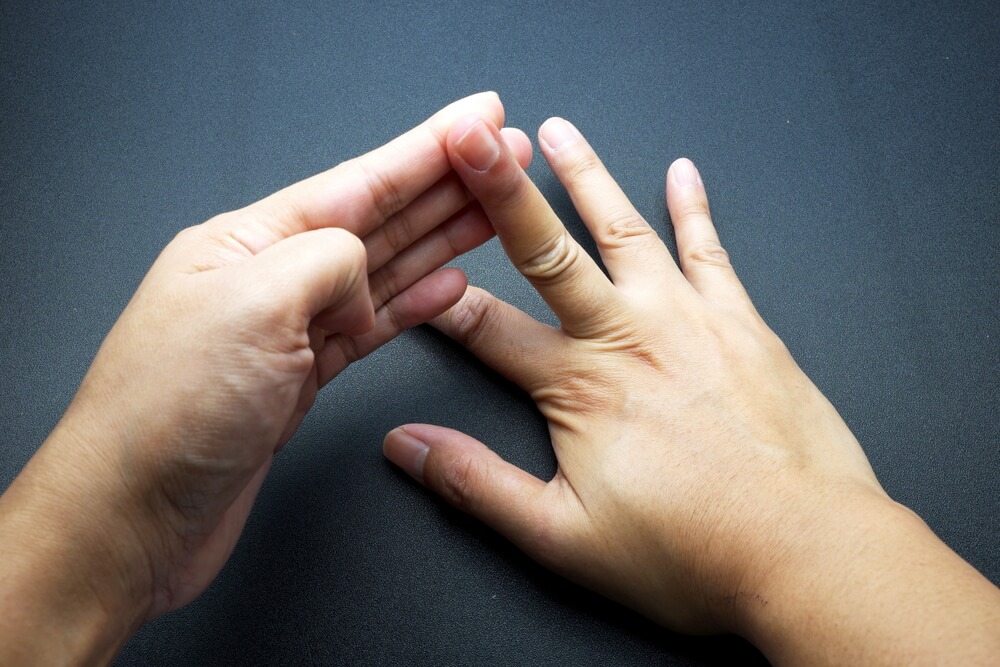
  • Physical therapy treatments for arthritis in the knee

    Physical therapy treatments for arthritis in the knee

    Arthritis comes in several forms that can affect the cartilage in your knees. This makes it difficult for you to use your knees for physically demanding activities and, eventually, for simple daily tasks. 

    When you’ve been diagnosed with arthritis in the knee, you must find treatment. Quality treatment can help reduce the pain and stiffness caused by arthritis so you can continue to pursue normal daily activities.

    Treating knee arthritis with physical therapy

    Some treatment plans include medications or even surgical intervention. While these have their place, they come with many side effects and risks. Another medically proven option you have for treating knee arthritis is physical therapy.

    Here are some of the techniques that physical therapists use to treat knee arthritis:

    • Therapeutic strength exercises — Part of what contributes to the pain in your knee when you have arthritis is weak and stiff muscles. Insufficient muscle strength increases strain on the joint. Through therapeutic strength exercises, physical therapists aim to improve the support of your knee with stronger muscles to help reduce pressure off the joint.
    • Therapeutic flexibility exercises — Arthritis can take away your ability to fully straighten or bend your knee, especially when it’s bearing weight. Physical therapists can guide you through stretches and exercises to help improve your flexibility when arthritis is affecting your knee. This may not make you as limber as you once were, but it can help you return to normal daily activities that your arthritis makes more difficult.
    • Soft tissue mobilization — Physical therapists can use hands-on manual therapy techniques to reduce tension in the muscles, tendons and ligaments around the knee. This helps reduce pain and pressure in the knee.
    • Joint mobilization — Another type of manual therapy is joint mobilization. In joint mobilization, the physical therapist gently guides your knee into positions designed to help reduce pressure and improve its flexibility. This is often done in coordination with soft tissue mobilization and other physical therapy techniques.

    Visit Border Therapy Services for the treatment of arthritis in the knee

    Do you have arthritis in your knees that makes it difficult for you to stand and walk? Our team at Border Therapy Services specializes in these techniques and more to help you improve the quality of your knees. Contact us today to talk to our team about knee arthritis treatment or to schedule an initial appointment.
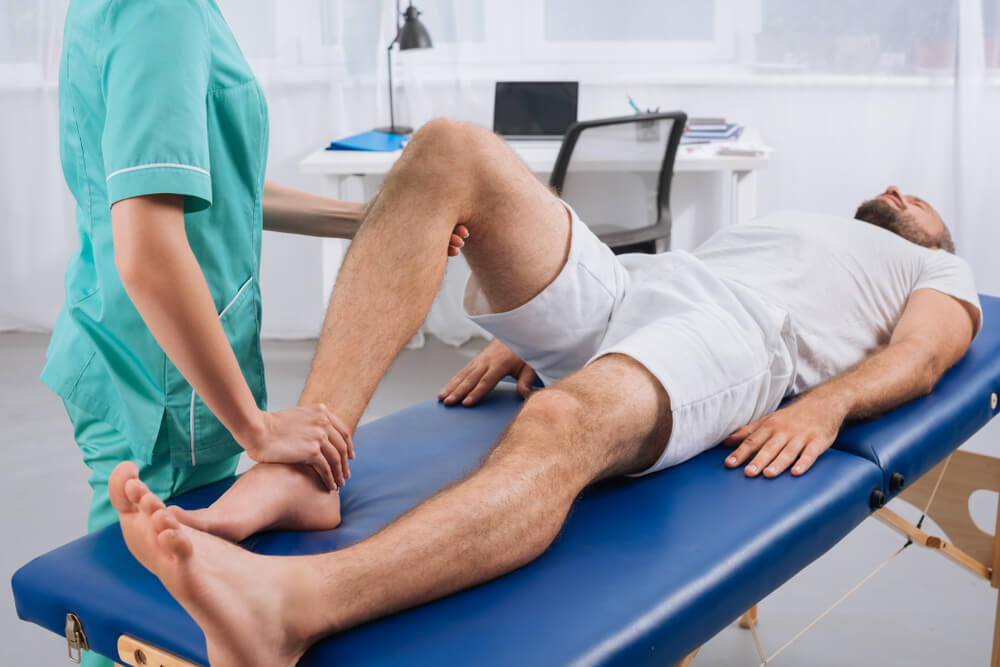
  • How vibration benefits rheumatoid arthritis physical therapy

    How vibration benefits rheumatoid arthritis physical therapy

    Rheumatoid arthritis is a painful condition to live with. But, many people have found physical therapy helpful for treating the symptoms of this condition. There are many physical therapy techniques that are commonly used in rheumatoid arthritis treatment plans. One technique you may not have heard about is whole body vibration, or vibration therapy. Vibration therapy can provide several benefits to rheumatoid arthritis physical therapy. Here are two of the benefits this treatment can offer: 

    1.   Bone density maintenance

    One issue that many rheumatoid arthritis patients face is low bone density. This can have a negative impact on their daily life and their rheumatoid arthritis physical therapy. For instance, low bone density often leads to increased pain. It has also been known to make it harder to maintain good posture. There’s also a greater risk of bone fractures when you have low bone density. 

    Rheumatoid arthritis patients are typically already dealing with pain and mobility restrictions, and low bone density can magnify these problems even more. Vibration therapy has been shown to boost the production of bone cells. This can help people with rheumatoid arthritis maintain a higher bone density. It can also help reduce the symptoms of low bone density. 

    2.   Improved muscle strength

    Another issue that people with rheumatoid arthritis typically face is decreased muscle mass. The main reason for this is because it’s harder for patients with this condition to move around, and this lack of movement leads to less muscle. Rheumatoid arthritis physical therapy programs help counter muscle loss with a variety of therapeutic exercises. However, using vibration therapy can be an alternative to therapeutic exercise. 

    Vibration therapy uses a device called a vibration plate. This device sends certain frequencies of vibration through the body when you stand on it. As a result of the vibrations, the muscles in your body must work to keep you upright and stable. This is typically accomplished with small muscle movements, but these small movements can help strengthen the muscles without the stress other types of exercise place on the joints. 

    Add vibration therapy to rheumatoid arthritis physical therapy plans at SOL Physical Therapy

    At SOL Physical Therapy, we know that there are many challenges facing rheumatoid arthritis patients every day. That’s why we’re proud to offer personalized treatment plans that are intended to reduce rheumatoid arthritis pain and improve your ability to move. The benefits our plans are designed to offer come from the multiple therapy methods they incorporate, such as: 

    Are you ready to get a better quality of life with rheumatoid arthritis? Contact our team today for more information or to schedule an initial appointment. 

  • Four issues caused by hip and lower back arthritis in O’Fallon, MO

    Four issues caused by hip and lower back arthritis in O’Fallon, MO

    According to the Missouri Regional Arthritis Centers (MRAC), about 1.4 million people in Missouri are living with some form of arthritis. They also report that these numbers are projected to increase by more than 300,000 people by 2030. If you live in O’Fallon, Missouri, and you’re living with hip and lower back arthritis, there are four issues in particular that you should be aware of. 

    1.   More pain

    Arthritis can be a very painful condition to live with, and this is especially true when it’s in your hips or lower back. The pain these types of arthritis cause are typically the result of one of two things. For people with osteoarthritis, the pain is caused by bones rubbing together because of age-related cartilage breakdown. The other reason you may be living with pain is that rheumatoid arthritis has attacked the lining of your joints. This can inflame the joints and make it more painful to move them. 

    2.   Decreased ability to move

    When your hip joints or lower back are hurting because of arthritis, you may feel less of a desire to get up and move around. In fact, you may actually have less of an ability to do so. After all, your hips are vital to normal actions like walking and standing, but arthritis can make it harder to do even these normal activities. A painful lower back can also make it harder to do some tasks. For example, you may not be able to reach for objects on high shelves thanks to the pain in your lower back. 

    3.   Loss of independence

    Increased pain and a decreased ability to move around can also make you feel less independent. You may feel like you have to depend on other people just to do simple chores around the house like cooking or cleaning. People can also feel less independent because they now have to use a walker or cane just to move around their home.

    4.   Lower quality of life

    Another issue that hip and lower back arthritis can lead to is a lower quality of life. These types of arthritis can make it harder to sleep, and this can make you feel groggy and out of sorts during the day. It can be difficult to drive, and this may make it harder for you to keep in touch with family and close friends. In turn, this loss of contact can lead to emotional issues such as anger, anxiety and depression. 

    Deal with these hip and lower back arthritis issues head-on at Excel Sports & Physical Therapy

    Our team at Excel Sports & Physical Therapy in O’Fallon knows that arthritis can cause many issues for people. We want to help you deal with these issues by creating a personalized physical therapy plan for you. Our plans are designed to offer benefits that can directly address some of the major problems arthritis patients face, and these benefits can include:

    • Reducing pain
    • Improving joint mobility
    • Increasing your ability to move
    • Restoring independence
    • Improving quality of life

    Don’t continue to deal with arthritis-based issues on your own. Contact our team today for more information or to schedule an appointment. 

  • Your hip arthritis and lower back pain could be linked

    Your hip arthritis and lower back pain could be linked

    If you’re living with hip arthritis in El Paso, Texas, you may also be experiencing lower back pain. Having both of these issues together is actually pretty common according to one research article. This article reports that up to 49% of patients in hip arthritis studies also had lower back pain. For El Paso patients, there are three basic reasons that you may be dealing with both arthritis in the hip and lower back pain.

    1.   Hip arthritis increases pelvic tilt

    Hip arthritis typically happens because the cartilage of the hip joint has become worn out. This causes the bones in the hip joint to rub together, and this is the reason that you have hip pain and other symptoms. However, the bones rubbing together can also cause their shape to change, and this can lead to a deformed hip joint. In turn, hip joint deformation can cause the pelvis to tilt forward more than normal. 

    2.   The pelvis is connected to the lower back

    The increased forward tilt of your pelvic can be a problem for your lower back because the pelvis connects the lower spine and the hip joints. The way it works is your lower back is connected to your pelvis by a pair of inflexible joints called the sacroiliac joints. The pelvis is affected by the hip joints because the socket of the hip joint is actually part of the pelvis. This means that when a deformed arthritic hip joint tilts the pelvis forward, it’s also placing additional pressure on your lower back. 

    3.   The hip joint-pelvis-lower back connection can cause lower back pain

    So, let’s review for a second. Deformed hip joints can cause your pelvis to tilt forward more than normal, and this can place extra pressure on the lower spine because the pelvis is also connected to the lower spine. The extra pressure can cause several issues that can result in lower back pain, such as: 

    • Tight muscles 
    • Sciatica
    • Bulging discs
    • Facet joint arthritis

    Border Therapy Services can help you treat arthritis in the hip and lower back pain

    At Border Therapy Services, we’ve helped many patients treat hip arthritis, lower back pain and both together. Our ability to target these issues effectively is based on the creation of a personalized therapy plan for each patient. These plans are designed using multiple therapy techniques, such as manual therapy and functional dry needling. 

    Find out more about how we can help you. Contact our team today for more information or to schedule an appointment. 

  • Treat hand arthritis with these two lifestyle changes

    Treat hand arthritis with these two lifestyle changes

    Osteoarthritis can affect the small joints of your fingers, and this issue can make it much harder to do normal daily activities. There are many types of treatment for hand arthritis that can help. However, one treatment option that you may not have considered is simple lifestyle changes. 

    What are some lifestyle changes that can help?

    Broadly speaking, the word “lifestyle” refers to the way you live your life. So, what is meant by lifestyle changes is that you can change the way you do normal daily tasks. Making these types of changes can be very helpful for treating arthritis in the hands, and there are two easy changes that can be particularly helpful for treating this issue. 

    1.   Daily hand exercises

    Adding some easy hand exercises into your daily routine is one lifestyle change that can help treat hand arthritis. Some people may be worried that these exercises may require lots of equipment and take up lots of time, but this isn’t necessarily true. In fact, you can get benefits like reduced pain and increased range of joint movement just by doing simple exercises for a few minutes a day. 

    For example, making a fist is just the type of simple exercise that’s both easy and helpful. Start with your fingers straight and slowly bend them into a fist with your thumb on the outside of your fingers. You should hold the fist for two to three seconds before opening your hand. You can also squeeze a little once you’ve made the fist, but don’t squeeze so hard that it causes lots of pain. After the two to three seconds is up, slowly open your hand until it’s straight again and repeat these steps five to 10 times for each set. You may find it helpful to do several sets of this exercise three or four times per day. 

    2.   Make some changes in the kitchen

    Cooking is one activity that requires a lot of hand movement, and this is why it can be much harder to cook with hand arthritis. However, there are some changes you can make in the kitchen that can also help treat arthritis in the hands. 

    One change you can make in the kitchen to help your hands is to switch out your manual can opener for an electric one. You can also purchase an electric jar opener to help open those tightly sealed jars. Both changes can help by placing less pressure on your hands during cooking, and this means your hands may not tire out as quickly. It can also help reduce the chances that cooking-related hand movements are increasing inflammation in your finger joints. 

    Panther Physical Therapy offers treatment for arthritis in the hands

    If you’re looking for effective hand arthritis treatment, Panther Physical Therapy has all the tools to help you. Find out how our experienced physical therapists can help you. 

    Contact our team today for more information or to schedule an appointment.

When Was Your Appointment?

We recently changed bill pay providers. Please click the button for the date of your appointment to be directed to the correct online payment portal.