Please ensure Javascript is enabled for purposes of website accessibility

Category: Arthritis

  • Can You Have Arthritis in Just One Finger?

    Can You Have Arthritis in Just One Finger?

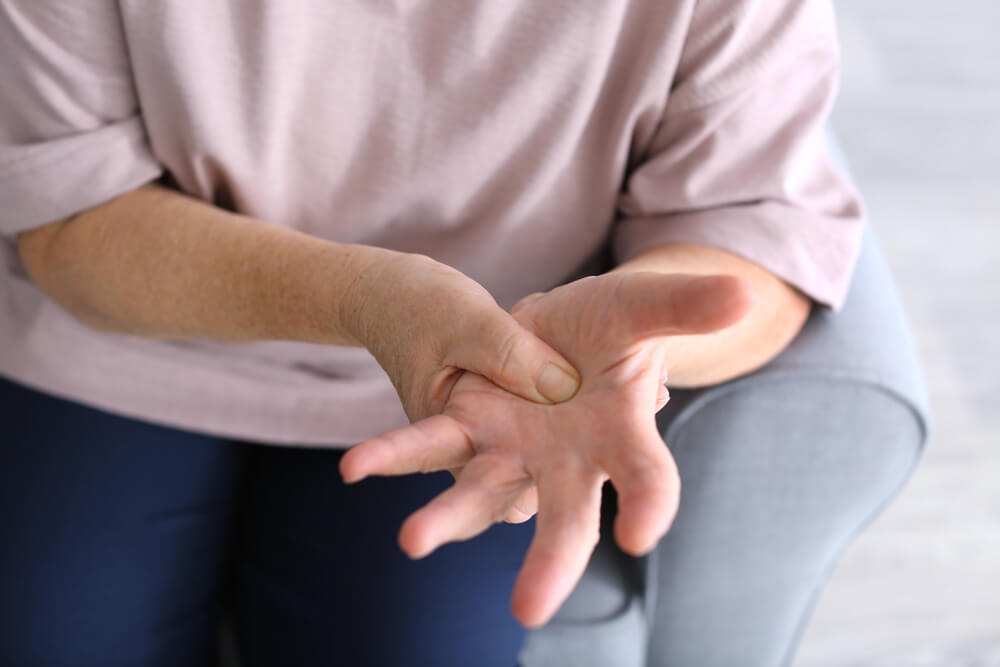
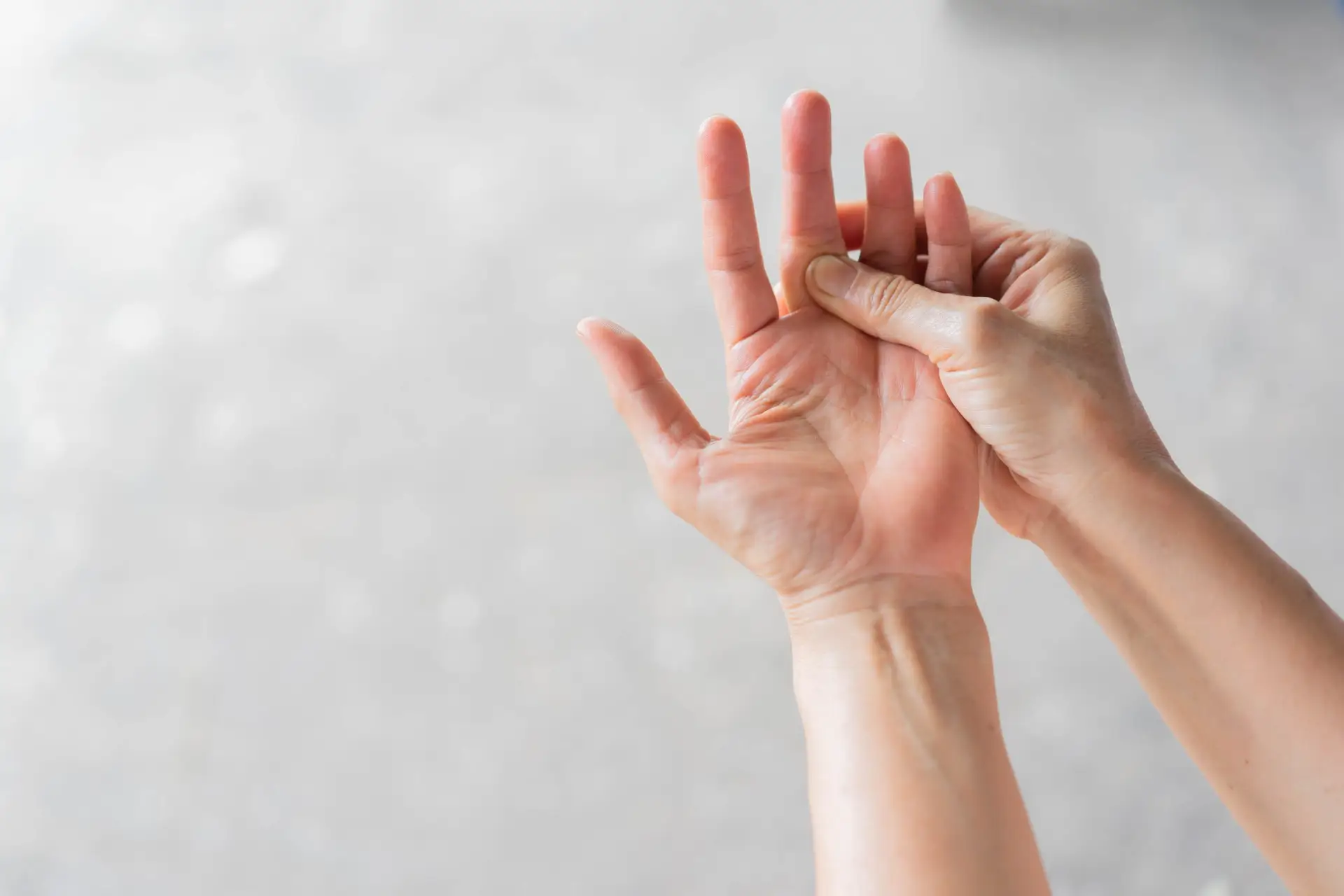
    Noticing the first signs of stiffness or pain in your fingers can be unsettling. Simple tasks like buttoning a shirt, typing an email, or opening a jar suddenly become a painful reminder of the flexibility you don’t have. It’s easy to feel alone and worry that losing dexterity is an irreversible part of aging.

    However, a diagnosis of arthritis is not necessarily the beginning of the end for your hand function. There are many effective ways to manage your symptoms and preserve your joint health for years to come. Physical therapy, in particular, offers a flexible, non-invasive path to maintaining your quality of life.

    Symptoms of arthritis in the fingers

    When arthritis develops in the hands, it can manifest in several ways. Recognizing these signs early is the first step toward getting the right help. Common symptoms of arthritis in fingers include:

    • Pain: This is often the most noticeable symptom. The pain can feel like a dull ache or a sharp, burning sensation as you go about your normal work or hobbies that utilize finger dexterity and strength.
    • Stiffness: You might find one or more of your finger joints are particularly stiff in the morning or after a period of rest. This stiffness can make it difficult to bend or straighten your fingers.
    • Swelling: The affected joint(s) may look puffy or swollen due to inflammation. This might make any rings you wear feel tight or impossible to take off.
    • Weakness: A weakened grip is a common complaint with arthritis symptoms. You might struggle to hold onto objects securely or find tasks requiring fine motor skills more challenging.
    • Grinding or clicking: A sensation known as crepitus, which is a popping or clicking sound when you move the joint, can occur.
    • Bony nodules: Small bony growths, called Heberden’s nodes (on the joint nearest the fingertip) or Bouchard’s nodes (on the middle joint), can develop. These are most common in osteoarthritis.

    Can arthritis occur in just one finger?

    It’s important to distinguish these symptoms from other causes of finger pain. Issues like tendonitis or an injury can also cause pain in just one finger, but they typically don’t involve the same level of persistent joint stiffness and swelling that characterizes arthritis.

    A common question is, can you have arthritis in one finger? The answer is yes, it’s entirely possible, especially with certain types of arthritis.

    • Osteoarthritis (OA): The “wear and tear” form of arthritis is the most likely culprit for arthritis appearing in just one finger. OA is a condition that results in the degradation of the protective cartilage and other structures in the space between joints. It can be localized to a single joint that has been overused or previously injured. The thumb is particularly susceptible to osteoarthritis, a condition known as basal joint arthritis, but any finger can be affected.
    • Rheumatoid arthritis (RA): This autoimmune disease that causes arthritis symptoms is less likely to affect only one finger. RA typically presents symmetrically, meaning if a joint on your left hand is affected, the same joint on your right hand probably is, too. It also tends to affect multiple joints at once.
    • Psoriatic arthritis: This is another autoimmune condition that can cause arthritis in the fingers, sometimes affecting just one or two in an asymmetrical pattern. It often causes the entire finger to swell, giving it a “sausage-like” appearance (dactylitis).
    • Gout: While most famous for affecting the big toe, gout can also strike a single finger joint. Gout is caused by a buildup of uric acid crystals in a joint, leading to sudden, intense pain and swelling.

    So, if you’re experiencing symptoms in just one finger, osteoarthritis is a likely cause, but it’s still important to get a proper diagnosis from a healthcare professional to rule out other conditions.

    How to treat arthritis in your fingers

    Whether you have arthritis in one finger, several fingers, or your entire hand, the treatment goals are the same: reduce pain, improve function, and slow the progression of the disease. Physical therapy is often recommended as the first line of defense and one of the most effective non-surgical treatments available.

    A physical or occupational therapist at Carolina Strong can design a personalized program to address your specific needs. This might include:

    • Therapeutic exercises: Specific stretching and strengthening exercises can improve flexibility, increase range of motion, and support the affected joints.
    • Manual therapy: Hands-on techniques, such as joint mobilization, can help reduce stiffness and pain.
    • Splinting or bracing: A therapist may recommend a custom or prefabricated splint to support the joint, reduce strain during activities, and ease pain, especially at night.
    • Activity modification: Learning new ways to perform daily tasks can protect your joints from further stress. This could involve using adaptive tools or changing your grip.
    • Heat and cold therapy: Applying heat can help relax stiff joints, while cold can reduce swelling and numb acute pain. Learning to use these methods effectively can ease pain without medication.

    Self-care strategies for finger arthritis

    In addition to formal physical therapy, there are several things you can do at home to manage the symptoms of arthritis in fingers:

    • Gentle range-of-motion exercises: Regularly and gently bend and straighten your fingers to their full range of motion. This can help maintain flexibility and reduce stiffness. Avoid pushing through sharp pain.
    • Use ergonomic tools: Look for kitchen utensils, pens, and garden tools with larger, padded grips to reduce the strain on your finger joints.
    • Pace yourself: Break up activities that put a lot of stress on your hands. Take frequent breaks to rest your joints.

    While these strategies can provide significant relief, working with a professional ensures you are performing the right exercises correctly and not inadvertently causing more harm.

    Arthritis care throughout North Carolina

    Experiencing arthritis for the first time, whether in one joint or many, can be a disheartening discovery. But you don’t have to face these symptoms alone. The right support and treatment can make a world of difference in managing your symptoms and keeping you active.

    The experienced therapists at Carolina Strong are dedicated to helping you preserve your joint health and improve your quality of life in ways that work for you. Learn more about your options for arthritis treatment by calling a Carolina Strong clinic near you or by requesting your first appointment online today.

  • Physical Therapy for Every Type of Arthritis

    Physical Therapy for Every Type of Arthritis

    When most people think of physical therapy for arthritis, they usually imagine stretches and exercises for osteoarthritis. This makes sense, as it’s the most common form of arthritis and can be treated successfully through personalized PT plans.

    However, for other types, like rheumatoid and psoriatic arthritis, the standard approach tends to include medication aimed at achieving remission. But what happens when medications aren’t enough, or when they cause unwanted side effects?

    Physical therapy stands as a well-supported and effective treatment option for managing pain and improving function across all forms of arthritis. It offers a way to regain strength, flexibility, and control over your life, regardless of the specific diagnosis.

    Osteoarthritis

    Osteoarthritis (OA) is the most prevalent form of arthritis. It occurs when the protective cartilage that cushions the ends of your bones wears down over time. While it can damage any joint, OA most commonly affects joints in the hands, knees, hips, and spine.

    Causes and symptoms of osteoarthritis

    The breakdown of cartilage in OA can be caused by a combination of factors, including age, joint injury, repetitive stress on the joint, genetics, and additional underlying health conditions. As the affected joints deteriorate, bone may rub against bone, leading to a range of symptoms:

    • Pain: Affected joints may ache during or after movement.
    • Stiffness: Joint stiffness is often most noticeable upon waking or after periods of inactivity.
    • Tenderness: The joint may feel tender when you apply light pressure.
    • Loss of flexibility: You might not be able to move your joint through its full range of motion.
    • Grating sensation: You may feel a grating sensation or hear a popping or crackling sound when you use the joint.
    • Bone spurs: Hard lumps can form around the affected joint.

    What to expect from physical therapy for osteoarthritis

    The main goal of physical therapy for arthritis is to reduce pain, improve joint function, and enhance your quality of life. A physical therapist will create a personalized treatment plan that may include:

    • Therapeutic exercises: A program of specific exercises to strengthen the muscles around your joints, which helps absorb shock and stabilize the joint. Range-of-motion exercises are often included to reduce stiffness and improve flexibility.
    • Manual therapy: Hands-on techniques like joint mobilization can help improve movement and reduce pain.
    • Pain management techniques: Your therapist may teach you to use modalities like heat or cold therapy to manage pain and inflammation rather than additional medication.
    • Education: You will learn how to perform daily activities with less strain on your joints, proper body mechanics, and strategies for weight management if necessary.

    Rheumatoid arthritis

    Rheumatoid arthritis (RA) is an autoimmune and inflammatory disease. This means your immune system mistakenly attacks healthy cells in your body, causing painful swelling primarily in the joints. RA usually attacks many joints at once, commonly affecting the hands, wrists, and knees.

    Causes and symptoms of rheumatoid arthritis

    The exact cause of RA is unknown, but it’s believed to be a combination of genetic and environmental factors. Unlike the “wear and tear” damage of osteoarthritis, RA causes the lining of your joints to become inflamed, which can lead to joint damage and deformity.

    Symptoms often include:

    • Pain or aching in more than one joint.
    • Stiffness in more than one joint.
    • Tenderness and swelling in multiple joints.
    • The same symptoms on both sides of the body (e.g., in both hands or both knees).
    • Fatigue, fever, and loss of appetite.
    • Joint inflammation that can affect other organs, like the eyes, skin, or lungs.

    What to expect from physical therapy for rheumatoid arthritis

    While medications are the first line of defense for RA, physical therapy for rheumatoid arthritis may be helpful for managing symptoms and maintaining function in the long term. Treatment focuses on protecting joints and keeping them functional. A physical therapist might recommend:

    • Gentle range-of-motion exercises: During flare-ups, gentle stretching is important to keep joints flexible without causing more inflammation.
    • Strengthening exercises: Once inflammation subsides, strengthening exercises help support the joints. Low-impact aerobic exercises like swimming or cycling are often recommended.
    • Joint protection strategies: You’ll learn techniques to perform tasks in ways that reduce stress on your joints, often using adaptive equipment if needed.
    • Pain relief: Therapists may teach you to use modalities like heat or cold packs to ease pain and stiffness.
    • Splinting: Custom splints for hands or wrists can help support joints, reduce inflammation, and prevent deformities.

    Psoriatic arthritis

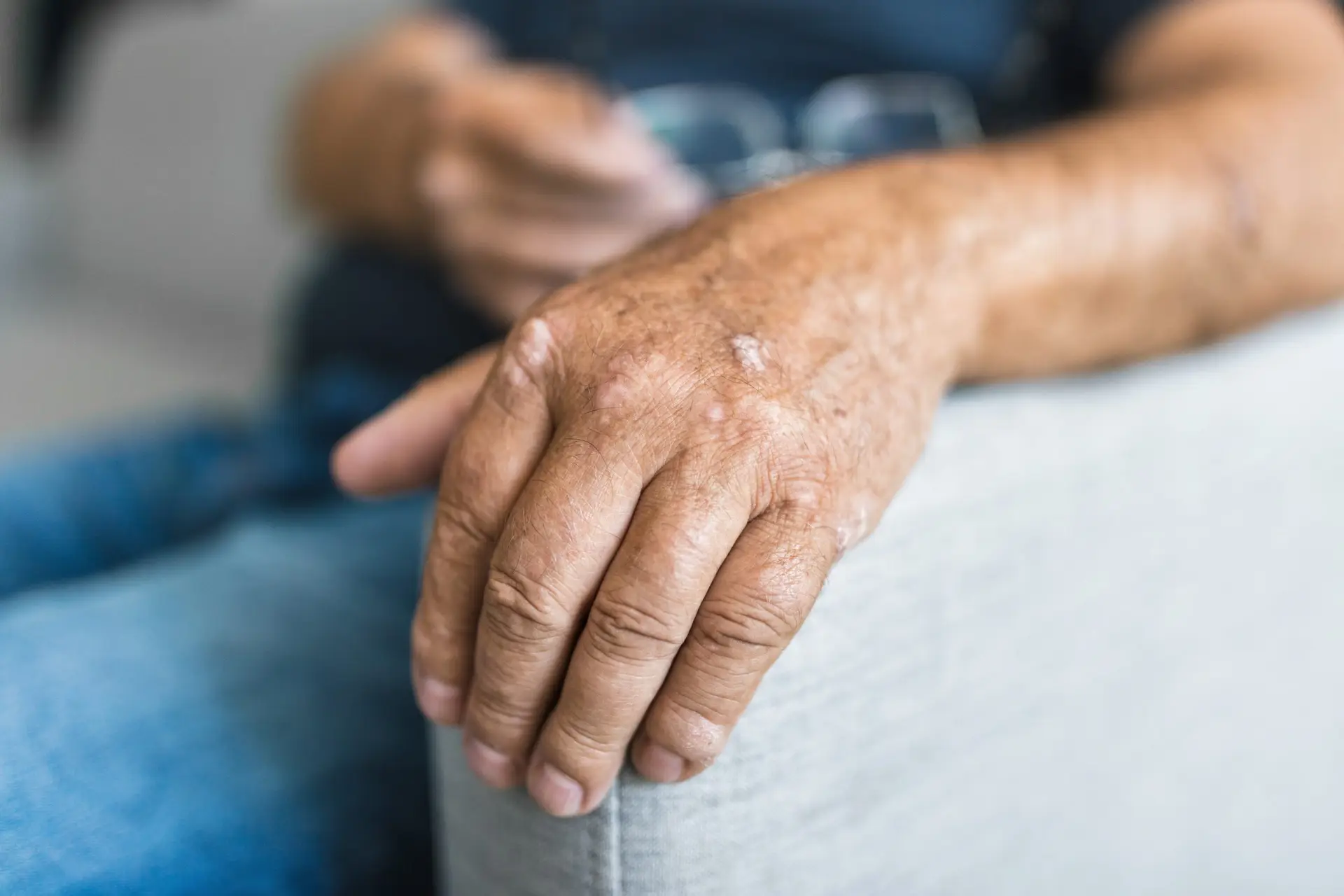
    Psoriatic arthritis (PsA) is another type of inflammatory arthritis that affects some people who have psoriasis, a condition that features red patches of skin topped with itchy scales or flakes of skin.

    Causes and symptoms of psoriatic arthritis

    Like RA, psoriatic arthritis is an autoimmune condition. The immune system attacks healthy tissue, leading to inflammation and an overproduction of skin cells in the affected area. Symptoms can vary from person to person and can affect any part of the body, but in PsA, often affect joints such as the knees and elbows.

    Key characteristics that set it apart from other forms of arthritis include:

    • Swollen fingers and toes: PsA can cause a painful swelling of your fingers and toes (dactylitis).
    • Foot pain: Pain at the points where tendons and ligaments attach to your bones (enthesitis) is common, especially at the back of your heel or the sole of your foot.
    • Lower back pain: Some people develop spondylitis, an inflammation of the joints between the vertebrae of your spine.
    • Nail changes: Fingernails and toenails may develop pitting or separate from the nail bed.

    Psoriatic arthritis is a complex disease that requires a diagnosis from a medical doctor to account for the many different types of symptoms that may be present.

    What to expect from physical therapy for psoriatic arthritis

    For those who don’t respond well to medication or are looking for complementary treatments, physical therapy for psoriatic arthritis can be important. The goals are similar to treating other forms of arthritis with physical therapy: reduce pain, maintain mobility, and improve overall function. A physical therapist will tailor a program that may include:

    • Specific stretches: Exercises designed to maintain flexibility in the fingers, toes, and spine.
    • Strengthening programs: Focused exercises to support affected joints without exacerbating pain.
    • Postural training: If spondylitis is present, learning proper posture is essential to manage back pain.
    • Manual therapy: Gentle hands-on techniques to improve joint mobility and ease stiffness.
    • Activity modification: Learning new ways to perform daily tasks to protect joints from further stress.

    Arthritis pain management and treatment in Sacramento and Elk Grove

    The takeaway from the many different forms and treatment methods for arthritis is that physical therapy is often helpful in addition to or as an alternative to other treatment methods. The holistic practice of strengthening the areas surrounding the joints affected by arthritis has a positive effect on the longevity of the health of those joints.

    Learn whether physical therapy may help you feel stronger, more flexible, and more capable by calling a nearby Alves and Martinez clinic or by requesting an initial appointment online today.

  • Alternative Rheumatoid Arthritis Treatments in Greater St. Louis

    Alternative Rheumatoid Arthritis Treatments in Greater St. Louis

    Living with rheumatoid arthritis means living with your own body having turned against you. The morning stiffness that makes getting out of bed a nuisance. The unpredictable flare-ups that can derail your plans at a moment’s notice. The constant worry about what activities might trigger your next bout of joint pain and swelling.

    For the 1.3 million Americans dealing with rheumatoid arthritis, traditional medications often serve as the first line of defense against chronic inflammation. Disease-modifying antirheumatic drugs (DMARDs) and biologics can provide significant relief for many people.

    However, these conventional treatments don’t work for everyone. Some patients experience concerning side effects, while others find their symptoms persist despite medication.

    If you’re among those seeking alternatives to traditional rheumatoid arthritis treatment, you’re not alone. A growing number of people are exploring complementary therapies that work alongside or in place of conventional medicine. This includes physical therapy and related treatments that our team at Excel provide throughout St. Louis County.

    Non-medicated therapies for RA

    Alternative treatments for rheumatoid arthritis encompass a wide range of evidence-based and homeopathic approaches that don’t rely on pharmaceutical intervention. These therapies focus on addressing inflammation, pain, and mobility challenges through natural methods that work with your body’s healing processes.

    • Heat and cold therapy: Heat therapy, including warm baths or heating pads, helps relax muscles and improve circulation around affected joints. Cold therapy, such as ice packs or cold compresses, can reduce acute inflammation and numb pain during flare-ups.
    • Acupuncture: This ancient practice involves inserting thin needles into specific points on the body to promote healing and pain relief. Many RA patients report reduced joint pain and improved mobility following acupuncture sessions. However, extremely few scientific studies have been able to show a positive effect from treatments with large numbers of patients.
    • Massage therapy: Therapeutic massage can improve circulation, reduce muscle tension, and promote relaxation. For people with RA, gentle massage techniques can help maintain joint flexibility while providing relief from the muscle stiffness that often accompanies chronic inflammation.
    • Mind-body practices: Stress management plays a crucial role in RA symptom control, as emotional stress can trigger inflammatory responses. Techniques such as meditation, deep breathing exercises, and progressive muscle relaxation can help reduce overall stress levels and may contribute to fewer flare-ups.
    • Nutritional approaches: While not a standalone treatment, dietary modifications can support overall joint health. Foods like fatty fish, leafy greens, and colorful fruits may help reduce systemic inflammation. Significant dietary changes should be discussed with your doctor or a nutritionist.

    In addition to all these options typically offered to RA patients who must or want to avoid medication, physical therapy is often recommended for natural pain relief and functional benefits.

    How physical therapy can help

    Physical therapy stands out as one of the most effective evidence-based alternative treatments for managing rheumatoid arthritis symptoms. Unlike passive treatments that you simply receive, physical therapy empowers you with tools and techniques you can use independently to manage your condition.

    Part of the benefit of physical therapy is that your treatment plan is tailored specifically to your needs and ability level. Some of the principle techniques utilized may include:

    • Joint mobility and range of motion: Through guided stretching exercises and joint mobilization techniques, our PTs help prevent the stiffness and contractures that can develop when RA limits your natural movement patterns. These interventions are particularly important for maintaining function in your hands, wrists, and other commonly affected joints.
    • Strength training and conditioning: Maintaining muscle strength around affected joints provides crucial support and stability when inflammation increases pain and stiffness. Physical therapists design safe, progressive strength training programs that account for your current symptoms and limitations.
    • Pain management techniques: Our Physical Therapists employ various manual therapy techniques to address pain and inflammation. These may include gentle joint mobilizations, soft tissue massage, and specialized techniques designed to reduce swelling and improve circulation around affected areas.
    • Movement education and body mechanics: Learning how to move efficiently can significantly reduce joint stress during daily activities. Physical therapists analyze how you perform common tasks and teach modified techniques that minimize strain on inflamed joints.
    • Personalized exercise plans: Regular exercise is essential for managing RA symptoms, but knowing what types of movement are beneficial versus harmful can be challenging. During treatment for RA, your physical therapist can create a personalized exercise programs that promotes joint health while respecting your current limitations and symptoms.
    • Adaptive equipment and assistive devices: When appropriate, physical therapists can recommend and train you to use assistive devices that reduce joint stress. This might include ergonomic tools for daily tasks, supportive braces for specific joints, or mobility aids that help you maintain an active lifestyle.
    • Personalized treatment plans: Perhaps most importantly, physical therapists understand that RA affects each person differently. Your treatment plan will be tailored to your specific symptoms, goals, and lifestyle needs as they change during the course of treatment.

    The collaborative nature of physical therapy means you’ll develop a partnership with your therapist, learning to recognize early signs of flare-ups and implementing appropriate modifications to your routine. This education component empowers you to take an active role in managing your condition rather than simply responding to symptoms as they arise.

    Find natural relief from RA in St. Louis

    Managing rheumatoid arthritis doesn’t have to mean accepting limitations or relying solely on medications that don’t feel right for your situation. Alternative treatments offer valuable options for reducing pain, maintaining mobility, and improving your overall quality of life.

    Learn more about your options for non-medicated RA treatment by calling a nearby Excel Sports & Physical Therapy clinic or by requesting an appointment online today.

  • Exercises to Avoid if You Have Arthritis

    Exercises to Avoid if You Have Arthritis

    Exercise can be a great way to keep your body moving, maintaining function that can often slip away as we age. But conditions like arthritis get in the way, and can even turn something that used to be good and fun into a source of aggravating pain.

    Arthritis affects millions of people worldwide, yet the condition manifests differently for practically every single person. While some experience mild morning stiffness, others face debilitating pain that significantly impacts daily activities. And the exercises that help one person might worsen symptoms for another.

    As a physical therapy and rehabilitation clinic, we don’t recommend specific exercises online for this reason. Some general principles may apply to many people, but there’s very little advice that is universally true. Here, we’ll go through a few specific areas of the body that experience joint pain from arthritis and provide guidance on the types of activities to limit, even when other internet research might suggest it’s a great idea.

    Types of arthritis and activities to avoid

    Whether you’ve received an official diagnosis of osteoarthritis or rheumatoid arthritis, or you’re simply dealing with chronic joint pain, you’ve likely encountered plenty of online advice about pain relief. It might seem like total pain relief is just a certain lifestyle change away, but with a condition like arthritis, this unfortunately isn’t usually the case.

    Simply consider that there’s not just one type of arthritis. Osteoarthritis, the most common form, occurs when joints physically wear down over time. This wear-and-tear condition typically affects weight-bearing joints like hips, knees, and spine. Rheumatoid arthritis, an autoimmune condition, causes inflammation throughout the body and can affect multiple joints simultaneously.

    Each type requires different exercise considerations. Osteoarthritis exercises to avoid are high-impact movements that place excessive stress on already compromised joints. Rheumatoid arthritis management requires careful attention to inflammation levels and activity modification during flare-ups.

    And within each person’s experience, some parts of the body are more sensitive to pain, inflammation, and degradation, that can be worsened by certain activities or exercises.

    Hip arthritis exercises to avoid

    Hip arthritis can severely limit mobility and make simple movements like walking or climbing stairs extremely painful. Certain exercises that might be safe for other types of joint pain can place unnecessary stress on hip joints and should be avoided.

    • High-impact activities top the list of hip arthritis exercises to avoid. Running on concrete, jumping, and plyometric movements create excessive force through the hip joint.
    • Prolonged sitting, whether in your day-to-day life or even during activities like yoga or meditation can increase stiffness. Extended hip flexion tightens muscles and may worsen stiffness that many arthritis sufferers experience.
    • Single-leg balance exercises on unstable surfaces create unpredictable forces through the hip joint. While balance training remains important, stable surface exercises provide safer alternatives for improving stability and coordination.
    • Heavy weightlifting like lifting heavy boxes from the ground or doing weighted squats can exceed the joint’s current capacity.

    Shoulder arthritis exercises to avoid

    Shoulder arthritis affects overhead reaching, lifting, and even basic activities like combing hair or reaching for objects on shelves. Several common exercises can worsen shoulder arthritis symptoms and should be approached with caution or avoided entirely.

    • Overhead exercises create significant compression through the shoulder joint. Shoulder presses, lat pulldowns, and similar exercises force the joint through potentially painful positions and expose vulnerable joint positions if not performed safely.
    • Pulling exercises that require significant shoulder external rotation, such as rowing or certain swimming strokes, can aggravate arthritis symptoms.
    • Cross-body movements that force internal rotation and adduction, such as certain tennis or golf swings, as well as starting a gas-powered yard tool such as a lawn mower. These activities often involve rapid acceleration and deceleration that can jar arthritic joints.

    Hand/finger arthritis exercises to avoid

    Hand and finger arthritis affects different activities than arthritis in the larger joints. Fine motor skills and activities, such as writing, typing, and gripping objects can feel impossible and frustrating. While maintaining hand mobility remains crucial, certain exercises can worsen symptoms and should be modified or avoided.

    • Forceful gripping exercises that require sustained or intense grip strength can increase joint stress and trigger pain. Heavy resistance putty, stress balls used with excessive force, or gripping exercises with significant resistance may worsen symptoms rather than improve function.
    • Repetitive pinching motions that combine force with sustained positions stress the small joints of the fingers and thumb. Activities like extended crafting sessions or exercises requiring prolonged pinch grip can trigger flare-ups.
    • Weight-bearing exercises on hands such as push-ups or planks place significant load through wrist and finger joints. The compression forces combined with extended wrist positioning can aggravate both wrist and finger arthritis symptoms.
    • Vibrating tools or repetitive exercises that impact the hands may worsen symptoms. Power tools, massaging guns, or activities involving repetitive jarring motions can increase joint irritation and stiffness.

    How to exercise with arthritis

    Exercising with arthritis requires a thoughtful approach that balances staying active with protecting your joints. Several key principles can guide your exercise decisions and help you maintain mobility while minimizing symptom flare-ups.

    • Start slowly and progress gradually
    • Choose low-impact alternatives
    • Focus on range of motion exercises
    • Strengthen supporting muscles
    • Listen to your body
    • Warm up thoroughly

    As always, a physical therapist will be able to provide the most appropriate and personalized advice for how to stay active in a healthy way when you’re dealing with any type of arthritis.

    Personalized advice for living with arthritis at Franklin Rehab

    We understand that simply saying what not to do isn’t helpful for people with arthritis. But it’s important to understand that each person’s condition presents unique challenges that demand personalized care and advice.

    The Physical Therapists at Franklin Rehabilitation specialize in arthritis management and understands the complexities of living with joint pain. Learn more about what you can do to live with less arthritis pain by calling our clinic or by requesting your first appointment online today.

  • What to Expect From Physical Therapy for Arthritis

    What to Expect From Physical Therapy for Arthritis

    Whether you’re seeking relief from the early signs of arthritis or exploring new ways to manage the condition, physical therapy is a powerful method to improve your quality of life. While there isn’t a cure for arthritis, physical therapy offers well-documented benefits for both osteoarthritis and rheumatoid arthritis, helping you stay mobile, flexible, and strong.

    What is arthritis?

    Arthritis is not just one type of joint degradation, but rather a condition that contributes to the breakdown of all areas of the affected joints, from soft tissues to bone. This breakdown increases friction and causes pain, swelling, and stiffness in the affected joints.

    Living with arthritis can make everyday tasks challenging, and isn’t something that will simply go away with time.

    Does physical therapy work for arthritis?

    Yes, physical therapy can make a significant difference for arthritis sufferers! While it won’t cure arthritis, physical therapy is a highly effective way to manage symptoms, maintain joint function for longer, and reduce further deterioration.

    How physical therapy helps arthritis

    Physical therapy focuses on improving joint strength, mobility, and flexibility. By working on these aspects, physical therapy can help you feel better in both the short term and long into the future. Some of the key goals from treatment include:

    • Pain relief: Strengthening surrounding muscles helps support damaged joints and alleviate strain.
    • Improved mobility: Stretching and mobility exercises maintain joint range of motion.
    • Reduced stiffness: Targeted exercises increase blood flow to affected areas, helping to ease stiffness.
    • Muscle strength: Stronger muscles can help improve quality of life and physical capacity of people at any age.
    • Better balance: Balance training can prevent falls and injuries associated with lower limb joint pain or instability.

    Arthritis types and physical therapy

    Not all arthritis is the same. The two most common types of arthritis are rheumatoid and osteoarthritis. They have different underlying causes, where rheumatoid arthritis is an autoimmune disease, and osteoarthritis seems to have a variety of risk factors but no clear direct cause.

    Because of this, the treatments that will be most effective for your experience of arthritis will differ.

    • For osteoarthritis (OA), physical therapy succeeds when focusing on strengthening muscles around weight-bearing joints like the knees and hips, reducing strain and improving function. It can also affect joints in the hands, which tends to benefit from a slightly different approach focused on mobility and dexterity.
    • For rheumatoid arthritis (RA), therapy includes gentle exercises to reduce stiffness and inflammation. Sessions with a physical therapist can be adjusted during flare-ups to ensure comfort and safety.

    What happens at physical therapy appointments for arthritis

    Since no two people are alike, neither will their treatment plans for arthritis. Your Physical Therapist will utilize various techniques and exercises in your personal arthritis plan, which may include the following:

    Stretching exercises

    Gentle stretches increase flexibility and reduce stiffness in affected joints. For example, hamstring stretches can ease knee discomfort, while wrist stretches relieve hand tension.

    Strengthening exercises

    Strengthening nearby muscles helps support and protect vulnerable joints. Resistance bands, body weight exercises, and light weights are commonly used. Water aerobics and low-impact exercises may be encouraged outside of physical therapy appointments.

    Range-of-motion exercises

    Controlled movements focus on maintaining and improving joint flexibility. For instance, simple side-to-side head movements can help with neck arthritis.

    Manual therapy

    Hands-on techniques, such as joint mobilization and massage can ease stiffness and discomfort under the guidance of your Physical Therapist.

    Heat and ice therapy

    Education on when to use ice and/or heat can reduce a person’s reliance on medication to deal with inflammation and pain from various forms of arthritis. Heat tends to relax muscles and improves circulation, while ice reduces swelling and pain.

    Long-term education and at-home care

    We understand the goal from seeing a Physical Therapist for arthritis isn’t to be cured from the condition. During and by the end of your time with us, your Physical Therapist will provide you with examples of exercises, stretches, and other self-care treatments to practice at home when needed. These exercises and long-term plan can help reinforce your therapy gains and keep you progressing toward your goals.

    Physical therapy for arthritis near me

    If you’re ready to experience the benefits of physical therapy for arthritis, look no further than Specialists in Sports and Orthopedic Rehabilitation. Whether you’re managing early arthritis symptoms or are trying to find an effective treatment after trying other approaches, our experienced therapists are here to help.

    We’re thrilled to announce a new location on College Blvd in Overland Park, demonstrating our growing commitment to improving the health and lives of folks in Kansas City, KS. Request your first appointment online today or call a clinic near you to get started.

  • Does Exercise or Stretching Help With Arthritis?

    Does Exercise or Stretching Help With Arthritis?

    Living with arthritis can be an uphill battle. From the frustrating stiffness that’s present from first thing in the morning to the pain that wears on you during the day, arthritis is an obstacle to living a full and active life.

    But with the right plan of action, you may be able to find some relief from some of your most debilitating symptoms without medication.

    Benefits of exercise for arthritis patients

    Sadly, exercise and stretching do not cure arthritis. The underlying issue with arthritis stems from either a degenerative disease that affects the cartilage, bone, and ligaments within joints (osteoarthritis) or chronic inflammation caused by an autoimmune disorder (rheumatoid arthritis).

    However, regular exercise can complement the right treatment plan, helping to reduce symptoms and improve your quality of life.

    Types of exercise that help with arthritis symptoms

    Not all forms of exercise are recommended for people with arthritis pain. The key is to focus on low-impact exercises that are gentle on your joints, while still encouraging movement and strength.

    Biking

    Cycling is a wonderful way to keep your joints moving without putting too much strain on them. Whether you prefer a stationary bike or outdoor cycling, this exercise helps build leg and core muscles, supports joint flexibility, and improves cardiovascular health.

    Elliptical

    An elliptical machine is an excellent alternative to walking or running, as it mimics the natural motion of walking while reducing joint impact. Most gyms and fitness centers have elliptical machines.

    Walking

    Walking might be the easiest and most accessible exercise for people with arthritis. As long as you have good supportive shoes and a level, smooth place to walk, you can start gaining the benefits of strengthening the muscles supporting your joints and improving circulation.

    If you can drive yourself, walking through a nearby mall is a great way to consistently get exercise rain or shine. There are often groups who will go on mall walks together for an added social benefit.

    Swimming

    Water aerobics and swimming have long been known to be excellent activities for those with arthritis or other types of chronic pain. These activities allow you to move freely without placing intense stress on your joints. Water buoyancy reduces joint pressure while making use of your whole body to strengthen muscles.

    Strength training

    Weight training can help arthritis patients build stronger muscles to better support the specific joints that are causing the most problems. Just be sure to prioritize good form, start with lighter weights, and gradually increase resistance under the guidance of a licensed trainer or physical therapist.

    Arthritis stretches for better mobility

    Stretching is another way to complement your arthritis treatment plan. There are two types of stretching: static stretching and dynamic stretching. Static stretches are what most people picture when hearing the word “stretch.” They involve placing certain parts of your body in a position that pushes or pulls on the muscles and ligaments in a certain area, holding that pose for several seconds, and then releasing.

    Dynamic stretches, on the other hand, are range-of-motion exercises that mimic the natural movements you do on a daily basis, such as raising and lowering your arms repeatedly to stretch the shoulder joint.

    While static stretches have their place, dynamic stretches are often more beneficial for arthritis patients.

    Key stretching tips for arthritis

    • Stretch gently and avoid forcing your joints dramatically beyond their natural comfort zone.
    • Focus on the joints you use daily, such as your hands, knees, and hips.
    • Practice consistently. Even a few minutes of stretching each day can significantly impact your mobility.

    For example, if your arthritis affects your knees, try dynamic stretches like shallow lunges or seated leg extensions before going on a walk. Follow up with static stretches such as holding a quad stretch to enhance your range of motion while your muscles are still “warm.”

    Remember, the aim is to keep your joints moving in ways that mimic natural daily activities, helping you preserve your range of motion and reduce stiffness.

    A physical therapist can help you develop a personalized stretching plan that focuses on the areas that are most affected by arthritis so you can find safe, effective relief.

    Personalized arthritis exercise plans at Armor PT

    While general exercise tips can help, managing arthritis is never a one-size-fits-all approach. For personalized support tailored to your unique needs, our physical therapists can help. Call an Armor Physical Therapy clinic near you or request an appointment online today to get started.

  • Juvenile idiopathic arthritis: Risk factors and symptoms

    Juvenile idiopathic arthritis: Risk factors and symptoms

    Juvenile idiopathic arthritis (JIA), also sometimes called juvenile rheumatoid arthritis, is a chronic autoimmune disease. JIA causes inflammation in one or more joints in children under the age of 16. Autoimmune diseases happen when the body’s immune system, instead of fighting against infections, mistakenly attacks healthy tissue. In JIA, the immune system targets the lining of the joints, causing swelling, pain and stiffness. JIA is an umbrella term that encompasses several subtypes with varying characteristics. The main types of JIA include:

    • Oligoarthritis
    • Polyarthritis
    • Systemic JIA (Still’s disease)
    • Enthesitis-related arthritis (ERA)
    • Psoriatic arthritis
    • Undifferentiated arthritis

    Juvenile idiopathic arthritis affects an estimated 300,000 children in the U.S. and is slightly more common in girls than boys. 

    Symptoms of juvenile idiopathic arthritis

    JIA symptoms can vary depending on the type and severity of the condition. Some of the most common symptoms to watch for include:

    • Joint pain, swelling, stiffness and tenderness
    • Joint stiffness in the morning
    • Limping
    • Fatigue
    • Fever, rash and swollen lymph nodes
    • Decreased appetite and weight loss
    • Eye problems

    Risk factors for juvenile idiopathic arthritis

    Unfortunately, the exact cause of JIA is unknown. However, it may be due to a combination of factors that can include:

    • Genetics
    • Immune system dysregulation
    • Inflammatory processes
    • Infections
    • Toxin exposure
    • Coexisting autoimmune diseases

    Treatment options for juvenile idiopathic arthritis

    There currently is no cure for JIA, but there are a variety of treatments available to help manage symptoms, improve joint function and potentially slow disease progression. The specific treatment plan will depend on the type and severity of the child’s JIA. Here are some common treatment options:

    • Medications — Medications like nonsteroidal anti-inflammatory drugs (NSAIDs), such as ibuprofen and naproxen, can help reduce pain, swelling and inflammation. In some cases, stronger medications called disease-modifying antirheumatic drugs (DMARDs) or biologic therapies may be used to help suppress the overactive immune system. Your child’s doctor may also prescribe injection or oral corticosteroids to provide temporary, short-term relief during a flare-up of JIA. 
    • Physical therapy — Physical therapy can play a crucial role in your child’s JIA treatment. A physical therapist can help your child maintain joint flexibility, strength and range of motion. They can also teach them exercises to help improve their posture and walking pattern.
    • Occupational therapy — Occupational therapy can help your child develop the skills they need to do daily activities despite the limitations caused by JIA. This may include learning how to use adaptive equipment, managing pain while doing tasks and developing coping strategies.

    Physical therapy treatments for juvenile idiopathic arthritis

    Physical therapy can be a vital part of helping to manage your child’s JIA symptoms and improving their quality of life. Here’s a breakdown of some key techniques that can be used in physical therapy for JIA and how they can benefit your child:

    • Therapeutic exercises — Therapeutic exercise is a broad category that encompasses exercises designed to help improve range of motion, strengthen muscles, and enhance balance, coordination and the body’s awareness. For example, exercises may involve gentle stretches to help improve flexibility in affected joints. These stretches can be followed by targeted strengthening exercises for the surrounding muscles. Activities that involve hopping on one leg or walking on a balance beam can help improve their body’s awareness and stability, which can help reduce their risk of falls. 
    • Manual therapy — Manual therapy is a hands-on approach that involves a variety of techniques specifically designed to help improve joint mobility, reduce pain and stiffness, and promote relaxation in the muscles surrounding the affected joints. Manual therapy includes techniques like:
    • Soft tissue mobilization — Soft tissue mobilization is a technique that involves your child’s physical therapist using their hands to apply gentle pressure and strokes to tight muscles, tendons and ligaments around the joints. This technique can help improve your child’s flexibility, reduce their pain and inflammation, and boost circulation. This can lead to better range of motion and decreased stiffness in the affected joints. 
    • Joint mobilization — Your child’s physical therapist will use specific manual techniques to gently move the joints through their range of motion. Joint mobilization can help improve flexibility, reduce stiffness and prevent joint contractures. Joint contractures are the permanent shortening of muscles and tendons that can limit movement in the affected joint. This technique can also help improve joint lubrication and reduce pain. 
    • Custom orthotics — In some cases, custom orthotics can be beneficial for children with JIA. Custom orthotics are shoe inserts, created based on impressions of your child’s feet, designed to support and correct specific foot and ankle problems. Orthotics can help improve alignment, reduce pain and prevent further joint damage.
    • Home exercise programs — A crucial part of physical therapy is empowering you and your child to manage their JIA at home. Your child’s physical therapist will develop a personalized home exercise program that incorporates stretches, strengthening exercises and activities that your child can do regularly to help maintain progress and manage symptoms between clinic visits. 
    • Aquatic therapy — Exercises done in the water can be especially beneficial for children with JIA. The buoyancy of water can help reduce stress on joints while allowing for a wider range of motion. Aquatic therapy can be a fun and effective way to help your child improve flexibility, strength and cardiovascular health with minimal impact.
    • Electrical stimulation — In some cases, your child’s physical therapist may use electrical stimulation to help reduce pain and muscle spasms. Low-level electrical currents are delivered through small electrodes applied to the skin around the affected area. These currents can help improve circulation, reduce pain signals and promote muscle relaxation.
    • Balance and gait training — JIA can sometimes affect balance and coordination. Your child’s physical therapist can assess their walking pattern (gait) and develop exercises that can help improve their balance and stability. This can help prevent falls and improve their overall confidence and mobility.

    By incorporating a variety of these techniques, physical therapy can play a significant role in helping your child manage JIA symptoms, improve joint function and live an active life.

    Occupational therapy for juvenile idiopathic arthritis

    Occupational therapy can be another key component of a comprehensive JIA treatment plan. Occupational therapists focus on helping children with JIA develop the skills they need to do everyday tasks and activities despite limitations caused by their disease. This can significantly improve their independence and overall well-being. 

    Here are some specific ways occupational therapists can help children with JIA:

    • Adaptive equipment — Your child’s occupational therapist can assess their needs and recommend adaptive equipment that can make activities of daily living easier. These may include equipment such as:
    • Grab bars in the bathroom
    • Raised toilet seats
    • Splints to support joints
    • Specialized utensils for eating
    • Activity modification — Your child’s occupational therapist can help them learn how to modify everyday activities to help minimize stress on their joints. For example, they may recommend using a backpack with wider straps or learning how to open jars with one hand. 
    • Energy conservation techniques — JIA can cause fatigue. Occupational therapy can help your child learn how to use conservation techniques, like pacing themselves throughout the day or prioritizing tasks, and develop routines that can minimize fatigue-inducing activities. 
    • Pain management strategies — Similar to physical therapists, occupational therapists can teach your child how to manage their pain with strategies like relaxation techniques and splinting to help them cope with pain during daily activities.
    • Fine motor skills development — An occupational therapist can help your child develop exercises and strategies to improve fine motor skills that can sometimes be impacted by JIA. Fine motor skills are the small movements of the hands and fingers that are needed for tasks like:
    • Writing
    • Buttoning clothes
    • Tying shoelaces

    Treatment for JIA can vary depending on a child’s needs and severity of their condition. Approaches like physical therapy and occupational therapy can help maximize your child’s ability to manage symptoms, maintain joint health, and live a full and active life. 

    Find help for juvenile idiopathic arthritis at Excel Rehab & Sports


    At Excel Rehab & Sports, we understand the challenges living with JIA can present for your child. We believe with the right support and comprehensive care, children with JIA can thrive. Our expert and compassionate team includes physical therapists and occupational therapists. They can create a personalized plan to address both physical limitations and emotional well-being. Our collaborative approach can help ensure that your child will always receive the best possible care. 

    Call us or request an appointment today to learn more about our physical therapy and occupational therapy treatments for juvenile idiopathic arthritis. 

  • How to Treat Arthritis In The Neck Naturally

    How to Treat Arthritis In The Neck Naturally

    Arthritis in the neck is often more than just a mild discomfort—it can become a persistent issue that impacts your daily life, whether you feel like you’re “used to it” or not.

    If you’ve been dealing with stiffness, pain, or limited mobility in your neck and shoulders, you’re not alone. Many people, especially older adults, struggle with arthritis in this delicate area, but there’s hope for relief without the side effects of having to take medication every day. With the right information, treatments, and lifestyle adjustments, you can manage the symptoms and improve your quality of life.

    Can you get arthritis in the neck?

    The short answer is yes, arthritis in the neck—affecting the cervical vertebrae—isn’t as common as arthritis in other areas of the body, but is a diagnosable condition. Several types of arthritis can develop in this area, each with its unique characteristics:

    • Cervical osteoarthritis (cervical spondylosis): The most common form of arthritis in the neck, often caused by age-related wear and tear on the cartilage and joints.
    • Rheumatoid arthritis (RA): An autoimmune condition that inflames the joints, potentially affecting the neck.
    • Psoriatic arthritis: Associated with psoriasis, this type of arthritis may cause inflammation in the neck and shoulder joints.
    • Ankylosing spondylitis: This form of arthritis primarily affects the spine and can result in reduced flexibility up to and including the cervical vertebrae.

    These conditions can vary in severity, but all share a common outcome: neck pain that can disrupt your daily routine. An accurate diagnosis and targeted treatment are crucial to managing symptoms and maintaining mobility.

    What is the best treatment for arthritis in the neck?

    The question anyone who has arthritis will ask is what the most effective treatment is for their pain. When it comes to neck pain, the best treatment is the one that’s specific to the underlying cause, which, as mentioned, may be one of several things.

    Our physical therapists will recommend both at-home and in-person treatments to help you get better in both the short term and for a long time to come.

    Immediate arthritis treatment

    If you’re seeking fast relief from neck pain, there are several at-home remedies to consider. These options primarily aim to reduce pain in the short term:

    • RICE method (Rest, Ice, Compression, Elevation): Although designed for acute injuries, the RICE method—especially rest and ice—can help alleviate inflammation and discomfort in the neck.
    • KT tape: Kinesiology tape (KT tape) can provide temporary support to your neck and shoulders, relieving some of the strain on arthritic joints and reducing pain.

    These treatments can help you get through particularly painful days, but they are not a substitute for ongoing, personalized care.

    Long-term neck arthritis treatment

    To truly manage arthritis in the neck, you’ll likely benefit most from adopting habits and routines that promote overall neck health, rather than taking one or several pain-relieving medications every day. Physical therapy takes a sustainable approach to your pain, ensuring you address the root causes of your discomfort and have tools to prevent flare-ups.

    Some of the recommendations our physical therapists can help you work through include:

    • Correct posture and sleep position: Maintaining proper posture throughout the day reduces strain on your neck vertebrae. Similarly, sleeping on a supportive pillow in a neutral position can minimize the stiffness or pain you feel in the morning.
    • Improve joint mobility and flexibility: Gentle neck stretches, along with exercises to increase range of motion, can keep your neck joints mobile and prevent stiffness.
    • Strengthen neck muscles: Building strength in the muscles around your neck and shoulders helps reduce the pressure on arthritic joints.
    • Develop healthy body mechanics: Be mindful of your movements, especially when lifting or carrying objects. Ergonomic adjustments to your workspace can also help protect your neck during daily activities.

    Building these habits into your daily routine can take time, but the benefits are well worth it. A focused approach to long-term care can dramatically reduce pain and help preserve your neck’s mobility for years to come.

    How to Treat Arthritis in the Neck Naturally in St. Louis

    There’s no one-size-fits-all solution for arthritis treatment, so seeking natural and holistic care options can make a world of difference without the side effects of medication. The physical therapists at Excel are experienced in all areas of the body and every type of arthritis, with an expertise toward active lifestyles.

    Get the conversation started with our team by calling an Excel Sports and Physical Therapy clinic near you or by requesting an appointment online today.

  • 5 symptoms that may indicate arthritis in the hands

    5 symptoms that may indicate arthritis in the hands

    When you feel mild discomfort in your muscles or joints, it’s easy to try to brush it off as a temporary ache that doesn’t require any treatment. While it can be tempting to shrug off every pain as “no big deal” that will go away on its own, it’s also important to take note of symptoms that may be potential indicators of a medical condition, such as arthritis.

    Arthritis refers to more than 100 joint-related conditions. It affects more than 53 million adults in the U.S. That adds up to more than 21% of the country’s adult population. While it can develop in nearly any joint of the body, arthritis in the hands is one of the most commonly affected areas.

    Everyone should be aware of when their body is trying to tell them something needs attention. Learning about the symptoms of such a common issue as arthritis can help you determine the treatments that have been effective for many other people.

    We’ll talk about arthritis symptoms that you should be on the lookout for. Then we’ll cover the most common types of arthritis that can develop in the hands. We’ll also discuss how to test for arthritis in the hands and treatment options that can help.

    5 symptoms that could be the first signs of arthritis in the hands

    Arthritis in the hands can manifest differently from person to person. It’s often based on the type of arthritis that they have. However, there are common early symptoms that may be the first indicators of an arthritis diagnosis. 

    Arthritis usually impacts several specific parts of the hand. It’s often felt in the second and top joints of the fingers, as well as the knuckles and base of the thumb.

    Here are five symptoms that may indicate arthritis in the hands:

    • Pain — One of the most prevalent symptoms of any type of arthritis is joint pain. The pain often flares up during or after movement. It’s usually described as a dull pain or burning sensation at the beginning. However, it can turn into a sharper pain as it progresses with time.
    • Stiffness — Inflammation in the joints can cause them to become stiff and difficult to move. This can lead to decreased function. It may be a challenge to complete everyday actions, such as turning a doorknob or opening a water bottle.
    • Swelling — It’s possible for arthritis to cause swelling in both your hand and wrist joints as another result of the inflammation. The swelling can occur when there’s excessive stress placed on the affected joints.
    • Crepitus — If you hear a grating or grinding sound when you move the joints in your hand, or you feel the sensation, it’s known as crepitus. When the damaged surfaces of the joint cartilage rub together, the bone-on-bone movement can cause a sound or unsettling feeling.
    • Weakness — A combination of previous symptoms, such as decreased function and joint pain, often leads to weakness in the hands. You may also feel a “pins-and-needles” sensation. 

    Types of arthritis in the hand (and the particular symptoms they can cause)

    We’ve already briefly mentioned how different types of arthritis can lead to different types of symptoms. It can be helpful to learn about how each type affects the hand and the individual symptoms that they may lead to. 

    • Osteoarthritis — The most common type of arthritis is osteoarthritis, or OA. It affects more than 32 million adults in the U.S. The hand and wrist joints are the most common places they develop. It’s often referred to as “wear-and-tear” arthritis. It develops gradually over time as the joint cartilage deteriorates. This causes the bones to rub together with movement. Along with crepitus, stiffness and pain, it can also cause bony swellings to develop in the joints, known as Heberden’s nodes.
    • Rheumatoid arthritis — Often referred to as RA, rheumatoid arthritis is a chronic inflammatory disorder. When occurring in the hands, it causes the body’s immune system to wrongfully attack the healthy cells in the hand, including the lining of the joint. This leads to joint inflammation, with swelling being one of the most prevalent symptoms. The swollen tissue can affect the surrounding ligaments and tendons, sometimes leading to misalignment and deformities.
    • Psoriatic arthritis — It’s possible to develop arthritis in the hands that stems from psoriasis, a chronic skin condition. Psoriatic arthritis, or PsA, is an autoimmune condition that breaks down the joint, causing significant swelling, especially in the middle joint of the fingers. It also causes dry, red skin patches from the psoriasis to develop on the wrists. Approximately 30% of people with psoriasis develop psoriatic arthritis.

    Testing and diagnosis for arthritis in the hands

    If you’re feeling consistent pain or discomfort in your joints, one of the first courses of action is to book an appointment with your general physician. You can discuss your symptoms with them and they can evaluate the appearance, function and mobility of the joints in your hand and wrist. They may order lab tests as well as imaging tests, such as X-rays, MRI or ultrasound. 

    A diagnosis of arthritis in the hands may require arthrocentesis, or joint aspiration, which involves removing synovial fluid from the joint capsule.

    Treatment options for arthritis in the hands

    Arthritis in the hands can interfere with your ability to carry out everyday hand movements and gestures, from texting on your phone to cooking dinner for your family. That’s why it’s important to not only recognize symptoms of arthritis in your hands and get a diagnosis, but to also determine the best treatment options to manage the symptoms. 

    There are a number of treatment options that are worth exploring to alleviate arthritis symptoms in your hands. It’s important to work with a health care professional, such as a general physician or physical therapist, to determine the safest and most effective options for your particular type and severity of arthritis. 

    • Medication — If you’re looking for temporary relief from arthritis pain and stiffness in your hands, ask your doctor about taking nonsteroidal anti-inflammatory drugs, or NSAIDs, to reduce inflammation that’s contributing to your symptoms. Common NSAIDs for arthritis include ibuprofen and naproxen sodium, though it can vary depending on what’s safest for your type of arthritis and medical history.
    • Splint — To reduce stress on the arthritic joints and improve alignment, which may be affected by rheumatoid arthritis, your physician or physical therapist may recommend a brace or splint. It provides additional support and protection for the joints to reduce symptoms throughout your day-to-day routines.
    • Electrical stimulation — A common modality used for arthritis pain management is electrical stimulation. It involves sending mild electrical currents to the affected joints in your hand and wrist. The goal is to relax the stiff muscles and alleviate pain by overriding the pain signals being sent to your brain. This may be more effective for some types of arthritis than others.
    • Exercises — One of the best ways to both alleviate your arthritis pain and improve the overall function of your hand is through targeted exercises. A physical therapist will guide you through safe exercises that will strengthen the muscles surrounding the arthritis joints to improve their support and stability. There are also stretches to decrease stiffness and boost the hand’s mobility. Common hand exercises for arthritis include thumb extensions and finger lifts.
    • Manual therapy — One of the most effective types of manual therapy techniques used for arthritis pain is soft tissue mobilization. It involves a physical therapist using their hands to find the affected tissue and release the tension with massage-like movements.

    At Border Therapy Services, we’ll not only help you alleviate the symptoms of arthritis in your hand, but we’ll make a personalized treatment plan to help improve the overall quality of the area for long-term results. With everything from splint recommendation to soft tissue mobilization, we’ll help you reduce the arthritis symptoms in your hand so that you can return to your everyday activities with the best hand function and mobility as possible.

    Call us or request an appointment today to reduce the symptoms of arthritis in your hands.

  • How to treat arthritis in the neck naturally

    How to treat arthritis in the neck naturally

    When your neck is in pain, every head movement can make you wince. Many people feel a temporary ache in their neck when they sleep in an awkward position or they look down at their phone for too long. Other times, it can be a chronic condition that causes pain and stiffness in the neck.

    Arthritis can develop in nearly every part of the body, including the neck. If you have arthritis in the neck, it can affect your quality of life by making it painful to do simple movements, like turn your head while reversing your car or look at your co-worker at the neighboring desk. But there are many potential treatment options that can help without the need for steroids or medicine.

    We’ll cover what arthritis in the neck is and natural treatments that can help, including physical therapy.

    The basics of arthritis in the neck

    Arthritis of the neck, also known as cervical spondylosis, is a common type of osteoarthritis, affecting more than 85% of people 60 and older. It refers to gradual wear and tear that affects the discs in the cervical region of your spine located in your neck. 

    Arthritis in the neck means that there’s degeneration of the spinal discs as well as the bones and facet joint cartilage. As the discs weaken and wear away, it can cause a variety of symptoms, including:

    • Pain.
    • Stiffness.
    • Headaches.
    • Muscle spasms
    • Weakness in the arms and hands.

    Ways to naturally treat your arthritis in the neck

    There are different ways to treat pain, such as medication or a steroid injection. When it comes to the chronic neck pain that’s caused by arthritis, it may seem easy to just reach for a nonsteroidal anti-inflammatory drug, such as ibuprofen or naproxen, or ask your doctor for an injection. But many people prefer to treat their pain naturally to reduce the risk of side effects that may stem from synthetic chemicals.

    Here are a few common ways to naturally treat arthritis in the neck. Some may require the assistance of a health care professional, such as a physical therapist.

    • Hot and cold therapy — One of the most tried-and-true ways to have temporary pain relief at home is by alternating between cold and warm treatments. Use an ice pack on your neck for 20 minutes at a time to restrict the blood vessels and numb the area. A warm treatment, such as a hot compress, increases circulation and reduces stiffness.

    • Exercises — Strengthening and stretching exercises can go a long way in naturally treating arthritis symptoms in the neck. A physical therapist can walk you through safe and effective neck stretches to alleviate pain and decrease stiffness. There are also exercises that will improve the strength of the surrounding soft tissue to increase support.

    • Manual therapy — A physical therapist can use their hands to manually manipulate the affected area and reduce pain. If you’re trying to naturally treat arthritis in the neck, a physical therapist will likely use soft tissue mobilization. This technique involves the therapist finding and breaking up scar tissue with their hands with massage-like movements.

    How physical therapy can naturally treat your arthritis in the neck

    As we mentioned earlier, a physical therapist can play a vital role in naturally treating your arthritis in the neck. Physical therapy is one of the best courses of action for treating arthritis pain because it can not only help alleviate the ache, but it can also improve the overall quality of the surrounding soft tissue to reduce the risk of future issues. 

    A physical therapist can help naturally treat your arthritis in the neck by designing a personalized treatment plan for you based on the severity of your symptoms and your physical capabilities. 

    Using a treatment plan, a physical therapist can help naturally treat your arthritis in the neck in several ways, including: 

    • Managing your pain and reducing the risk/severity of future flare-ups.

    • Increasing strength in the surrounding muscles to decrease pressure on surrounding nerves.

    • Teaching you stretching and strengthening exercises to practice at home between sessions.

    • Improving your posture to reduce stress on joints.

    Advent Physical Therapy can treat your arthritis in the neck naturally

    While modern medicine has come a long way over the past few decades, many people still prefer to treat pain with natural remedies. That’s why physical therapy has become one of the go-to options for people struggling with arthritis in the neck. 

    At Advent Physical Therapy, we want to help improve your quality of life by decreasing your arthritis pain and improving your neck’s range of motion.

    Call us or request an appointment today to naturally treat arthritis in the neck.

  • 5 ways physical therapists can treat lower back pain from arthritis

    5 ways physical therapists can treat lower back pain from arthritis

    Pain from arthritis can be frustrating to deal with anywhere in the body. When arthritis pain affects the lower back, it can be especially debilitating. You may experience swelling and a chronic, stinging joint pain. Your symptoms may worsen with physical activities that put pressure on your lower back. This can keep you from doing things like lifting heavy objects and bending your back. Even simple activities like working at a desk can cause discomfort when you have lower back pain from arthritis. To find relief and get back to your normal life, finding the right kind of care is essential.

    Arthritis is a common diagnosis that comes in many forms. What all forms of arthritis have in common is the way they cause joint inflammation and irritation. Two of the most common types are osteoarthritis and rheumatoid arthritis. Osteoarthritis is a condition that involves the cartilage degeneration around the joints. When the cartilage becomes less effective, it causes the joints to rub against bone and other tissue. Rheumatoid arthritis is an autoimmune condition that inflames joints throughout the body. This kind of arthritis is typically most intense around the hands and feet. However, it can also be a source of lower back pain. If you have any kind of arthritis, receiving treatment to manage your symptoms can be crucial to finding relief. Physical therapy is a popular choice among people with arthritis. By learning about various physical therapy treatments for lower back pain caused by arthritis, you can understand how physical therapy could benefit you.

    5 physical therapy treatment methods for lower back pain from arthritis

    • Prescribed exercises — Exercise tends to be a fundamental part of arthritis treatment. After an initial evaluation, your physical therapist can recommend exercises that target the source of your symptoms. Building strength and flexibility in your lower back can be a great way to reduce arthritis pain. Stretching is often core to a physical therapy exercise regimen. Gentle stretches can help alleviate stiffness and discomfort in the lower back. This can make your pain easier to manage. Certain strengthening exercises can also be highly beneficial. Core exercises are meant to build strength in the core and supporting muscles to provide better spinal support.

    • Manual therapy — Your physical therapist can apply hands-on techniques collectively known as manual therapy. Manual therapy involves applying light pressure and controlled movements to treat a range of conditions. For arthritis, manual therapy can work to relieve tension, stiffness and pain. If your arthritis is restricting your lower back movement, a physical therapist can use joint mobilization techniques to improve your range of motion. Frequent manual therapy sessions can be a great way to manage your arthritis and find symptom relief.

    • IASTM — IASTM stands for instrument-assisted soft tissue mobilization. As a form of manual therapy, this approach utilizes special tools to promote healing and pain relief. Your physical therapist can apply IASTM to improve blood flow in the lower back. This can be an effective way to reduce swelling around your joints and alleviate joint pain. By improving your mobility and reducing your pain, IASTM can make it easier to participate in daily activities.

    • Posture training — Poor posture and ergonomic issues often worsen your lower back pain. For people with arthritis, using ergonomic solutions can be highly beneficial. Ergonomics encompasses a range of treatments relating to body mechanics. When you think of ergonomics, you might imagine assistive devices and special workplace equipment. While tools like these may be helpful, there is more to ergonomics. The focus of ergonomics in physical therapy is improving your posture and the way you move. To improve your posture, your physical therapist may provide guided posture training. You may also receive education on how to make healthy adjustments to your working routine. Posture training and other elements of ergonomics can work together to alleviate your current symptoms and help prevent future pain.

    • Aquatic therapy — Being in water creates buoyancy. The water supports your weight, which takes pressure off the arthritic joints. The warmer temperature of a therapy pool allows muscles to further relax and reduces pain at the joints. Water can also provide resistance, which assists in improving muscle strength for better support of the back and spine.

    • Dry needling — Looking for treatment that can provide immediate relief? Dry needling is a great option. This physical therapy modality involves the insertion of dry, sterile needles in an area affected by pain and stiffness. The process typically causes little to no discomfort, making it an excellent treatment option. Clinical studies show that dry needling can lead to a significant decrease in arthritis pain.

    Advent Physical Therapy can help address your lower back pain from arthritis

    Managing lower back pain from arthritis can be a challenge. Fortunately, Advent Physical Therapy can help you manage your symptoms. Our skilled physical therapy team offers a range of proven techniques to address the root cause of your pain and build toward lasting improvement.

    Contact our team today for more information or to schedule an initial appointment.

  • 3 worst foods for arthritis (and what you should eat instead)

    3 worst foods for arthritis (and what you should eat instead)

    When you are experiencing the symptoms of arthritis, it can be challenging to find effective management techniques. Arthritis is a chronic condition that inflames the joints. People with arthritis tend to experience recurring discomfort and joint pain. You might feel limited in how much you can move your joints as well.

    If you are looking for ways to manage your arthritis, your diet can have a vital impact. Reducing arthritis symptoms with the help of your diet involves avoiding certain foods and seeking out others. Some kinds of food can cause inflammation, which can make your arthritis worse. Anti-inflammatory foods, on the other hand, can help you find relief.

    Learning about the best and worst foods for arthritis can help you make educated decisions when it’s time to choose your next meal. 

    3 worst foods for arthritis

    • Red meat — Red meats such as beef, pork and lamb can promote joint inflammation. While red meat can be a good source of protein, it also tends to be high in saturated fats. Consuming large amounts of saturated fats can worsen health issues including high cholesterol and arthritis. Red meat is often considered to be one of the worst foods for arthritis because of the way it can trigger arthritis symptoms. Avoiding red meat, especially fatty cuts, can be a great step in reducing your inflammation.  
    • Dairy products — Like red meat, dairy products often contain a lot of saturated fats. This is part of why products like milk, cheese and butter can promote inflammation. Avoiding high-fat dairy products on their own might not be enough. These products are often used as core ingredients of other foods, which makes good judgment crucial. Eating a dairy-heavy food like pizza, for example, could exacerbate your arthritis pain and stiffness. If you are sensitive to dairy already, these products can make you feel sick and worsen arthritis symptoms. 
    • Sugary snacks — Highly processed foods can come loaded with unhealthy oils and refined sugars. Traditional sweets are not the only snacks to look out for when planning your diet. The worst foods for arthritis include surprisingly sugary things like fast food sandwiches and certain breakfast cereals. A healthy diet should take hydration into account too. Sweet drinks like soda can contribute to inflammation and make your arthritis worse.

    3 great alternatives

    • Fatty fish — Looking for something to replace red meat in your savory dishes? While fatty red meats can be some of the worst foods for arthritis, fatty fish can actually help. This is because fish like salmon and mackerel are rich in omega-3 fatty acids. These are healthy fats that can have anti-inflammatory properties. Integrating more healthy seafood into your diet can help reduce joint swelling caused by arthritis. 
    • Nuts and seeds — Almonds, walnuts, chia seeds, and other nuts and seeds can have a major positive impact on your health. These nuts and seeds are sometimes called “superfoods.” This is because they tend to be excellent sources of fiber, healthy fats and antioxidants. Nuts can be used as an ingredient in a range of sweet and savory dishes, and their uses do not stop there. If you are looking to replace dairy, using nut-based alternatives like almond milk can be a good step. While dairy-based ingredients can make a food worse for your arthritis, cooking with nuts and seeds can make your meals healthier. 
    • Fresh fruits — Cutting sweets out of your diet can be difficult. Sugary snacks are often comforting and easy to access between meals. As some of the worst foods for arthritis, finding a tasty alternative to processed sweets is important. This is where fresh fruit can help you out. Easy-to-eat citrus fruits like oranges and grapefruit come with lots of vitamins and antioxidants. Other fruits that have plenty of inflammation-fighting antioxidants include dark berries. If you want a healthy fruit that satisfies a sweet tooth, blueberries and blackberries are a good snack choice.

    Alliance PTP is ready to help you find top-notch physical therapy for arthritis

    Physical therapy combined with diet management can enhance your arthritis treatment and improve your quality of life. At Alliance Physical Therapy Partners, we’re proudly bringing together physical therapy practices across the country to help people get the high-quality PT they need. 

    Want to see a physical therapist in person? We can put you in touch with an Alliance PTP partner that’s close to you and that can help you address arthritis. 

    Not keen on in-person PT sessions or not close to an Alliance PTP partner? No worries. We also offer effective and affordable virtual physical therapy through our Agile Virtual Physical Therapy platform.

When Was Your Appointment?

We recently changed bill pay providers. Please click the button for the date of your appointment to be directed to the correct online payment portal.