Please ensure Javascript is enabled for purposes of website accessibility

Category: Health and Wellness

  • Five tips for preventing a tight lower back

    Five tips for preventing a tight lower back

    Occasional instances of a tight lower back is not necessarily connected to something serious. However, you need to pay attention to your body and work on reducing and preventing tension in your lower back. If it keeps happening on a regular basis, it could lead to something more serious.

    Tightness in the lower back can occur for a number of reasons. Two of the primary causes of a tight lower back include:

    • Sedentary lifestyle — Sitting at a desk or on your couch for hours upon hours is bad for your back. Sitting for hours every day without much physical activity leads to weaker muscles that tend to become tight quickly. Additionally, sitting with poor posture strains your lower back muscles, which can cause pain and exert an increase of pressure on your spine.
    • Overexertion — Poor posture, lack of rest or simply exceeding your limits during any physical activity can lead to a tight lower back. For example, picking up a heavy object off the ground with poor posture can lead to back pain. Pay attention to your body and rest or adjust your posture before pushing yourself in physically demanding activities. 

    How to prevent a tight lower back

    A tight lower back is not always preventable due to the nature of chronic conditions that may be the cause, such as arthritis or a herniated disc. However, there are some measures you can take to help reduce and prevent a tight lower back related to strain or a sedentary lifestyle, including:

    1. Exercise — Gentle, daily exercises and stretches can engage your back, core and leg muscles that support your lower back. This may be as simple as doing some stretches and going for a walk around the neighborhood.
    2. Improve your diet — Maintain a healthy diet rich in lean proteins, unsaturated fat, whole grains, and colorful fruits and vegetables. Avoid saturated fats, processed grains and eating too much red meat. Doing this helps you maintain a healthy weight, which reduces stress on your lower back. And, it helps reduce inflammation in the joints that can contribute to lower back pain.
    3. Drink more water — Water nourishes the muscles in your body and helps lubricate the joints, which can help reduce tightness in your lower back.
    4. Quit smoking — Smoking doesn’t just harm your lungs and heart health. It affects your entire body. Smoking limits the amount of oxygen and other nutrients your heart can deliver to the rest of your body, which affects your lower back as well.
    5. Take a break — Do you have a job that requires you to sit all day? Make sure to get up at least once per hour for 10 or 15 minutes to stretch and move around. This can help keep your muscles engaged to help keep pain at bay.

    Visit Panther Physical Therapy for lower back pain treatment

    Tight lower back pain is common in American adults. It’s time we make it less common. If you suffer from frequent tightness in your lower back, our team at Panther Physical Therapy can help. We can provide a personalized treatment to help you reduce and prevent lower back pain. Contact our team for more information about tight lower back pain or to schedule an initial appointment.

  • Improving your sleeping position for back pain

    Improving your sleeping position for back pain

    Sleeping and back pain do not go hand in hand. Back pain can cause you to have trouble falling asleep, but it can also make it harder to stay asleep. 

    Unfortunately, dealing with back pain that makes sleeping tougher isn’t uncommon. In fact, back pain that affects sleep has been reported by 37% of U.S. adults. A physical therapist can take steps to help you treat your back pain effectively, and one of these steps could be offering tips for improving your sleeping position when you have back pain. 

    Three ways for back pain sufferers to improve their sleeping position

    Helping back pain sufferers improve their sleeping position is something your physical therapist can do. Some of the tips that your therapist could suggest include: 

    1. Using a pillow for support — Sleeping on your side allows the knees to fall together, which can put stress on the lower back. Stomach sleepers can also put more stress on their back if their pelvis is unsupported. One way to avoid these issues is to support the knees or pelvis with a pillow. 
    1. Bringing your knees up toward your chest — Sleeping on their side often causes people to straighten their lower back too much. In turn, this position adds stress to an already painful lower back, which can increase the pain you’re feeling. You can help return your lower back to its normal curvature by sleeping with your knees tucked upward toward your chest. 
    1. Getting a new mattress — Old mattresses tend to wear out, and this means they don’t provide the support that your back needs. As a result, you may find that your back pain increases the older your mattress gets. One way to counter this is to purchase a new, more supportive mattress. A study of sleep and back pain reveals that 63% of the people surveyed reported less back pain after getting a new mattress. 

    How can physical therapists help your back pain besides improving your sleeping position?

    There are other ways that a physical therapist can help you treat and reduce back pain. Some of the therapy techniques that your physical therapist could use for this purpose include: 

    • Therapeutic exercises intended to stretch and strengthen your back muscles. 
    • Dry needling designed to promote a local twitch response that breaks down myofascial trigger points. 
    • At-home care sessions that involve you working with a physical therapist one-on-one at home. 

    Find help improving your sleeping position and other treatment options for back pain at SSOR

    At SSOR, our physical therapy team is primed to help you find effective treatment for your back pain. We offer free screenings that can pinpoint the root cause of your pain. Our specialists also excel at building therapy plans designed to improve your sleeping position and reduce your back pain. We can even help you get started with your care without a doctor’s referral. 

    Contact us today for more information about our back pain treatment services or to schedule your initial appointment. 

  • Four home treatments for mild shoulder pain

    Four home treatments for mild shoulder pain

    Your shoulder is an incredibly complex joint made up of many interwoven ligaments, tendons and muscles. All these tissues operate together to help you rotate your arm, lift objects and raise your arms over your head. You use your shoulders for practically every activity. This means shoulder pain can make your life much more difficult. 

    Serious shoulder pain requires professional health care assistance. However, some cases of shoulder pain are minor. Mild cases of shoulder pain can often benefit from a few days of rest and some simple home treatments. Here are a few tips you should follow at home for shoulder pain treatment: 

    1. Rest — Pain may be your shoulder’s way of trying to tell you that it’s been worked too hard and needs a break. Take some time from physical activity that requires shoulder use, and avoid lying on your shoulder.
    1. Use ice and heat — Applying ice to your shoulder can help reduce inflammation that may be related to your pain. Apply ice a few times a day for about 10 minutes each time. After a day or two of icing, you can apply heat to help soothe the pain. It’s important to wait this day or two to apply heat because it can make inflammation worse.
    1. Stretch and exercise — Some light stretching and exercising can help encourage your sore muscles, ligaments and tendons to heal while keeping the healthy ones fit. This can also help improve your ability to prevent injuries in the future. Talk to your health care provider about exercises and stretches that are right for you.
    1. Take some medicine — Some simple pain or anti-inflammatory medicine can help reduce minor shoulder pain. Talk to your doctor about what kind of medication is right for you if you’re unsure.


    Signs that home treatment might not be enough for your shoulder pain

    Home treatments are great for helping minor shoulder pain, but when the pain is serious, you need professional assistance. Severe shoulder pain that’s left untreated can grow worse over time and lead to greater problems like permanent disability.

    A few signs that you need to seek professional assistance for your shoulder include: 

    • Your pain doesn’t respond to home treatment.
    • The pain you’re feeling doesn’t go away after a few days.
    • Swelling around the affected shoulder hasn’t decreased.
    • You’re feeling numbness or weakness in your shoulder, arm or hand. 

    Find professional help treating shoulder pain at Advent Physical Therapy

    Think that home treatments might not be enough for your shoulder pain? At Advent Physical Therapy, our physical therapists will work one-on-one with you to identify the source of your shoulder pain. We also excel at creating personalized treatment plans intended to reduce your pain and inflammation, and your plan can include physical therapy methods like: 

    Contact our team today for more information about our physical therapy services or to schedule an initial appointment.
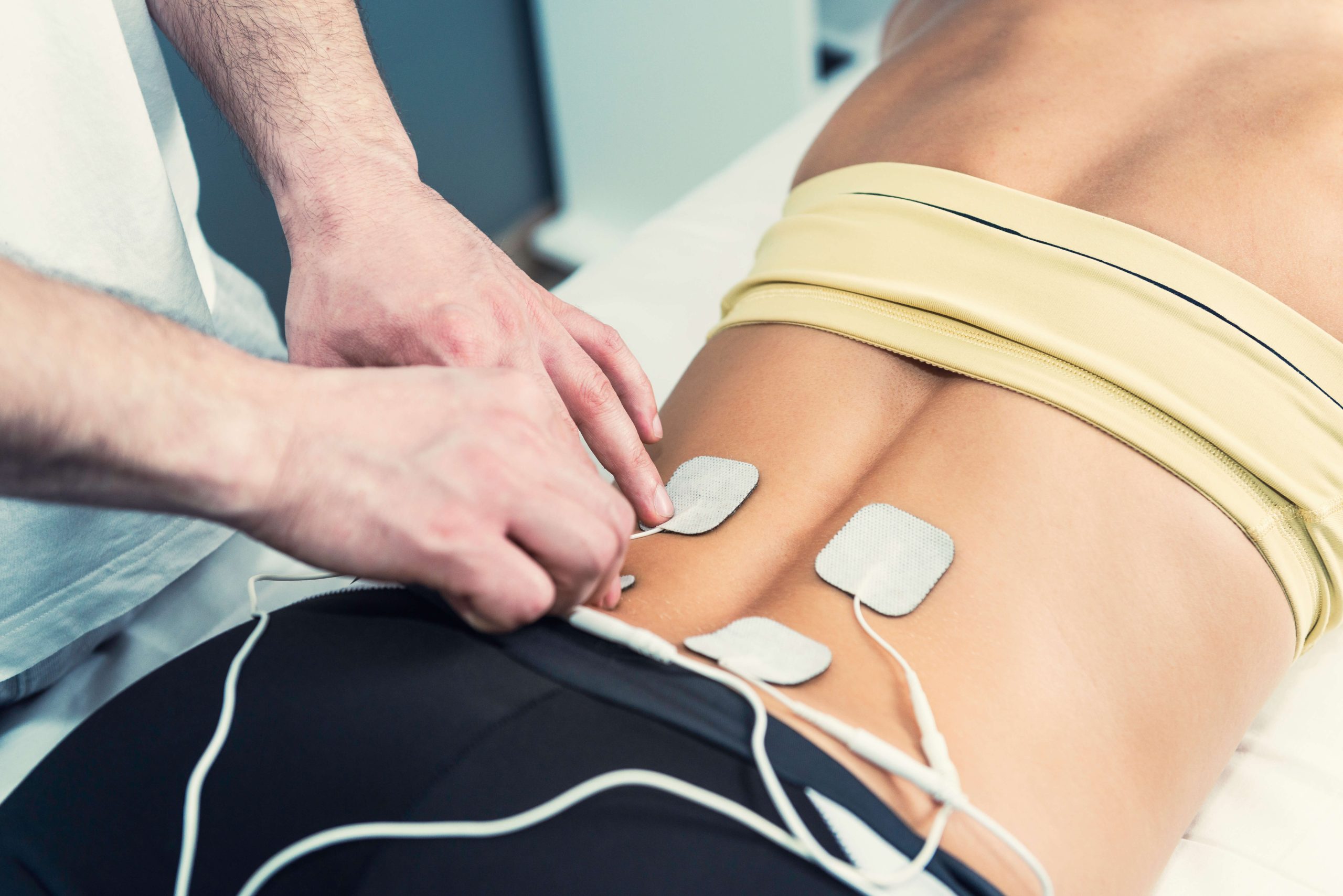
  • Physical therapy treatment options in Harmony, PA

    Physical therapy treatment options in Harmony, PA

    Osteoarthritis in your hands that makes grabbing objects hard. A car accident on the way to work. Spraining an ankle playing flag football with your friends. These and many other activities can be sources of a painful injury. 

    Fortunately, physical therapists in Harmony, Pennsylvania, have experience helping people treat many types of injuries and medical conditions. You won’t even be the only person getting help from these specialists. After all, research shows that almost 12 million Americans went to physical therapy in 2011. There are many treatment techniques that your physical therapist can use to help you, and there are three therapy methods in particular that could be helpful for your injury. 

    Three treatment options that local physical therapists can offer

    Physical therapists are trained to develop individualized therapy plans to fit your specific needs. One reason they can do this is they have many therapy methods at their disposal. Three of the most commonly used physical therapy techniques include: 

    1. Graston Technique® — The Graston Technique is a type of instrument-assisted soft tissue mobilization. It involves your physical  therapist using a stainless steel tool to apply pressure to soft tissue. The goal of this technique is to reduce adhesions in the targeted tissue. 
    1. Mulligan technique — This technique involves the repositioning of the bone, muscle or joint to address pain. The Mulligan technique is ideal for increasing range of motion. It’s also ideal for patients who are motivated to take their treatment into their own hands. This is because your physical therapist will teach you therapeutic exercises that accompany the Mulligan technique to be performed between sessions.
    1. Trigger point therapy — Trigger point therapy aims to reduce muscle tension. Concentrated pressure is applied to the pain point to elicit a twitch response; this causes the muscle fibers to relax, which can help realign joints. It can also help reduce soft tissue and joint pain. 

    Find the physical therapy you need at Panther Physical Therapy in Harmony

    If you live in Harmony and are experiencing pain, our Panther Physical Therapy team can work with you to find physical therapy options that can reduce it. We offer free screenings that can reveal the specific injury or medical condition you’re dealing with. Additionally, our physical therapists are adept at creating personalized therapy plans designed to reduce pain and prevent future injuries. 

    Is our Harmony clinic too far away for you? We have two other clinics that may be closer to you. Visit our locations page to see which clinic is more convenient for you. You can also check out our virtual therapy or at-home care services to see if you can get your care from home. 

    Contact our team today for more information about our helpful physical  therapy services or to schedule an initial appointment.

  • Four ways physical therapy can benefit you

    Four ways physical therapy can benefit you

    Do you currently have an acute or chronic pain condition affecting your daily life? Maybe you’re struggling with back pain, a sports injury or impairments following an auto accident. Perhaps you have someone in your family who is experiencing pain and dysfunction. 

    Whatever you or your loved ones are facing, a physical therapist can help you find treatment. 

    These specialists are experts in human movement and employ a wide range of drug-free, noninvasive techniques. They can also help you get benefits that go far beyond just symptom management. Here are four key benefits that physical therapy can offer you:

    1. Physical therapy services are completely customizable

    A primary physical therapy benefit is that it’s customizable. A standard physical therapy plan of care is completely individualized to the patient. The chief aims of any therapy plan are to: 

    • Address the patient’s unique goals
    • Reduce their impairments
    • Optimize their recovery, functional independence and long-term health 

    These outcomes can be achieved through physical therapy techniques such as:

    After undergoing a thorough examination with your physical therapist, you’ll receive an individualized treatment plan that can accelerate your healing. This plan is modified to meet your specific needs and lifestyle. It also relies on your feedback, giving you a more active role in your recovery.

    1. Physical therapy can help you avoid opioids

    Another benefit of physical therapy is it can help you avoid habit-forming opioids. The current opioid abuse epidemic in our country suggests that these potentially harmful drugs are frequently overprescribed. The Centers for Disease Control and Prevention (CDC) recommends physical therapy before opioids for the management of chronic pain. 

    Plus, treatment techniques used in physical therapy are evidence based. This means they’re tested in scientific research studies in order to determine their efficacy, effectiveness and safety. They also have a much lower risk of adverse side effects than opioids. 

    1. A physical therapist can identify hidden factors contributing to your dysfunction

    A physical therapist won’t just mask your pain. These specialists can identify and resolve underlying factors contributing to your current condition. Common factors that lead to chronic issues include:

    • Shortened muscles
    • Scar tissue
    • Range-of-motion limitations
    • Muscle activation problems
    • Impaired ergonomics and body mechanics
    • Postural imbalances

    If such factors are left unaddressed, your symptom relief would likely be temporary at best. Through services such as patient education, work-hardening programs and other techniques previously mentioned, a physical therapist can offer benefits for both symptoms and causes of your issue.

    1. A physical therapist can help you maximize functional mobility, capacity and performance

    A physical therapist seeks to help their patients improve:

    • Endurance
    • Core stability
    • Coordination
    • Agility
    • Other physical skills 

    In turn, this can carry over into better performance in sports and everyday life. This is essential for young, active people and the older population looking to avoid age-related debility. A physical therapist can also help you take steps intended to prevent future injuries. 

    Find beneficial physical therapy at Excel Sports & Physical Therapy

    Ready to find beneficial physical therapy for your injury or medical issue? Our team at Excel Sports & Physical therapy are primed to help you get the care you need. We offer free screenings that can pinpoint the root cause of your symptoms. Furthermore, our physical therapists excel at constructing personalized therapy plans to address a host of injuries and other conditions. 

    Can’t get into one of our therapy clinics? No worries! Our team offers services designed to be used from your own home, including virtual therapy and at-home care appointments. 

    Contact our team today for more information about our beneficial physical therapy services or to schedule an initial appointment. 

  • The top three benefits of physical therapy

    The top three benefits of physical therapy

    Do you currently have an acute or chronic pain condition affecting your daily life? Maybe you’re struggling with back pain, a sports injury or impairments following an auto accident. Perhaps you have someone in your family who is experiencing pain and dysfunction. 

    Whatever physical issues you or your loved ones are facing, a physical therapist can likely help you. It’s estimated that 11.7 million U.S. adults used outpatient physical therapy in 2011. However, this number makes up less than 10% of all the people who could have benefited from physical therapy. 

    Physical therapy can benefit you in these three ways

    Physical therapists are experts in human movement. They employ a wide range of drug-free, noninvasive techniques that benefit their patients in many ways. These benefits go far beyond “just” symptom management. 

    Here are three of the top benefits physical therapy can offer: 

    1. It’s completely customizable — A standard physical therapy plan of care is completely individualized to the patient. The chief aims of any physical therapy plan are to address the patient’s unique goals, resolve their impairments, and optimize their recovery, functional independence and long-term health. These outcomes can be achieved through physical therapy techniques such as:
    1. It reduces risk of opioid addiction — While opioids are a powerful pain-fighting tool, it’s estimated that up to 29% of the people who take them for chronic pain abuse them. This is why the Centers for Disease Control and Prevention (CDC) recommends physical therapy before opioids for the management of many types of chronic pain. Additionally, treatment techniques used in physical therapy are evidence based. This means they’re tested in scientific research studies to establish their efficacy, effectiveness and safety.
    1. It identifies hidden factors contributing to your condition — A physical therapist won’t just “mask” your pain. They’ll work to identify and resolve underlying factors contributing to your current condition. For instance, they can discover joint misalignments that are behind your knee pain. 


    Other underlying issues they can pinpoint include: 

    • Tense muscles
    • Scar tissue
    • Range-of-motion limitations
    • Muscle activation problems
    • Poor ergonomics and body mechanics
    • Postural imbalances. 

    Find beneficial physical therapy at Panther Physical Therapy

    Ready to find some long-lasting solutions to your pain? Our team at Panther Physical Therapy can help you find many benefits from physical therapy. We offer free screenings intended to reveal the condition you have and underlying issues contributing to it. Also, our physical therapists excel at building personalized therapy plans designed to reduce your symptoms and prevent them from recurring. 

    Is your schedule too hectic for an in-person therapy session? No problem! Our team offers therapy services like virtual therapy and at-home care that you can use from home. Even better, you don’t need to visit your doctor to get a referral before you start using our therapy services. 

    Contact us today for more information about our high-quality therapy services or to schedule your initial appointment.

  • Treating your neck issues can also help treat your headaches

    Treating your neck issues can also help treat your headaches

    Figuring out how to address a headache naturally may seem almost impossible to you. Instead, you may simply reach for a bottle of pain medication to help dull the pain.

    Unfortunately, this scenario is far too familiar for many people. Medical research shows that 96% of us will experience a headache at some point. Instead of turning to medication, consider getting headache treatment from a physical therapist. Their natural therapy options can help address the root cause of many headaches. 

    Treating your headaches may start with addressing neck issues

    It can be hard for people to figure out how to effectively treat a headache. Your treatment may actually need to focus on an area of your body you may not expect: your neck.

    Your physical therapist may focus on this body part because the neck and the head are closely linked together. There’s a group of eight nerves that runs through your neck and into your head; these nerves are called the cervical plexus, and they may be causing your headaches if one of them has become pinched or irritated. 

    For example, long hours staring at your cellphone can cause a neck condition called text neck. This condition can cause issues like: 

    What treatment techniques can help your neck-based headaches?

    Physical therapists have therapy methods at their disposal that can treat the neck issue causing your headaches. Some of these therapy methods include: 

    Need treatment for a headache? Panther Physical Therapy can help you!

    If you’re ready to find out if a neck problem is causing your headaches, Panther Physical Therapy can help. We offer free screenings that can help determine if a neck issue is causing your headaches. With this information, our team can then build you a personalized physical therapy plan intended to reduce your pain and prevent future headaches. We can even help you get therapy from home thanks to our virtual therapy and at-home care services. 

    Contact us today for more information about how we can help with your headaches or to schedule an initial appointment.

  • Five ways to reduce your risk of lower back pain

    Five ways to reduce your risk of lower back pain

    Lower back pain seems like an inevitable fact of life as we get older. It seems like everybody has it or is bound to have it at some point. Things don’t have to be this way. There are instances of injuries and medical conditions that cause lower back pain, and these are largely unavoidable. However, most cases of lower back pain are brought on from poor habits.

    Minor lower back pain is usually related to poor posture or excessive physical activity. Either way, this kind of lower pain can usually be treated with some rest and medication. But your best option for treating lower back pain is actually preventing it.

    These five tips can help prevent lower back pain

    A sore back can make it difficult to get through the day. Preventing minor lower back pain is simpler than you might think, and it becomes more important as you grow older. Below are a few steps that you may find useful for preventing lower back pain:

    1. Correct your posture — Sitting or standing hunched over is a common cause of lower back pain. Sit and stand straight with your chest forward, shoulders back and chin up. This can help keep your spine straight and reduce the stress that hunching over puts on your muscles.
    1. Exercise — Regularly exercising can help keep the muscles in your core and back strong. Stronger muscles in these areas provide better support for your upper body. Exercising also improves cardiovascular health, which improves blood flow to the muscles in your back.
    1. Eat healthier — Your back muscles and spine require nutrients like the rest of your body. Good sources of nutrients for your back can be found in fruits and vegetables, lean proteins, whole grains and dairy products.
    1. Sleep on your side — Sleeping on your side with a pillow that keeps your head and neck aligned with the rest of your body can be good for your spine. Lying on your back, on your stomach or in a twisted position can put stress on your spine that causes lower back pain.
    1. Quit smoking — When most people think of smoking, they think of lung diseases and heart diseases. While smoking is the leading cause in many lung and heart conditions, you should know it also harms your back. Smoking affects your cardiovascular health, which reduces the amount of oxygen and nutrients that get to your spine and back muscles from your bloodstream. 

    Treat lower back pain with help from Panther Physical Therapy

    Are you already dealing with lower back pain? You can find effective help treating it at Panther Physical Therapy. Our team offers free screenings intended to reveal the root cause of your lower back pain. We also excel at building personalized therapy plans designed to reduce your pain and prevent if from coming back, and these benefits are possible due to therapy techniques such as: 

    Contact us today for more information about how we can treat your back pain or to schedule your free screening.

  • Four tips that can decrease your chances of a sports injury

    Four tips that can decrease your chances of a sports injury

    Athletes who have been injured in training or competition should visit a physical therapist for treatment. Physical therapists can help keep the muscles and ligaments around the injured area strong and flexible. This helps athletes recover faster from injuries and helps them find relief while recovering.

    This is good news if you’re someone who likes to participate in sports. However, getting injured keeps you from doing what you love the most. Your best option for treating sports injuries is to prevent them from happening in the first place.

    These four tips can help prevent sports injuries

    Sports injuries can be unpredictable due to the many variables in athletic competition. Taking a wrong step at the wrong time or getting hit by another athlete can lead to an unavoidable injury. However, some injuries develop from lack of preparation and training. These kinds of sports injuries are largely preventable.

    Here are some tips you should follow if you’re an athlete who wants to lower your chances of getting injured:

    1. Always warm up and cool down — Before training or competing, you need to stretch and prepare your muscles. This warms up the muscles, which reduces their chances of getting injured. Likewise, you need to cool down after competition. Cooling down can be as simple as walking for a few minutes. Going straight from activity to rest can result in strained muscles.
    1. Keep a healthy diet — Your body needs fuel to meet the demands of athletic activity. This means you need to eat foods rich in the nutrients your body needs. This includes lean proteins, unsaturated fats, fruits and vegetables, dairy products and whole grains.
    1. Wear proper equipment — Make sure any equipment you use fits correctly. This is especially important for footwear. You need to find shoes that fit you correctly and provide the right support for your foot shape and your gait. A physical therapist can help you identify any gait issues and what kind of footwear you need.
    1. Listen to your body — This is the hardest point for athletes to grasp. Athletes push themselves hard and are used to dealing with pain. However, pain is sometimes the sign of a building injury. Pay attention to the signals your body is sending you, and stop competing if you’re in serious pain. Recovery from pain at this stage is much better than recovering after you’ve developed an actual injury.

    Panther Physical Therapy offers effective sports injury treatment

    Our physical therapists at Panther Physical Therapy offer many solutions for athletes to treat and prevent sports injuries. We offer free screenings that can pinpoint the issues that led to your injury. Additionally, our physical therapists can build a personalized therapy plan for you that’s intended to reduce your symptoms, address underlying issues and prevent future sports injuries. Our plans can meet these goals because they use beneficial therapy methods like: 

    Contact our team today for more information about how we can help with your sports injury or to schedule an initial appointment.

  • Four macronutrients that can improve your athletic performance

    Four macronutrients that can improve your athletic performance

    Increased energy. Improved stamina. Decreased recovery time. These are just a few of the benefits that an optimized diet can have for athletes. 

    Your body is depending on you to supply it with the necessary raw materials to conduct its countless everyday functions. The more you demand from it, the more careful you must be about your nutritional strategies. Physical therapists can help you learn more about effective nutrition strategies. They can also help you improve your athletic performance by addressing sports injuries and other issues. 

    Improving your athletic performance can mean paying attention to these four macronutrients

    Proper nutrition can be vital for improving athletic performance; however, it can be difficult to know what nutrition aspects you need to focus on specifically. 

    Macronutrients are one of the most important parts of an athlete’s nutrition plan. These are types of nutrients that the body needs in large amounts. Four of the most important macronutrients for boosting athletic performance are: 

    1. Carbohydrates — Carbs are vital to athletic performance because they provide immediate energy to the body. This makes them important for fueling short-burst activities and endurance training. Maintaining enough carbs in your diet also helps the body burn fats and prevents the body from burning proteins. 
    1. Proteins — This macronutrient is made up of 20 essential amino acids. Proteins are used for many bodily tasks, but in athletes, they’re especially important for muscle repair and strengthening. 
    1. Fats — Fats are stored as the body’s reserve fuel supply. But athletes also need fats in their diet for other reasons. They’re key to the production of the bone-and-muscle-mass-developing hormone testosterone. Additionally, they can help improve muscular endurance and joint lubrication.
    1. Fiber — Dietary fiber is another important macronutrient for athletes. This macronutrient comes from the indigestible parts of plants, and it fulfills many roles for athletes. For instance, getting enough fiber can help you feel full while eating fewer calories. In turn, this can help you lose weight. In addition, dietary fiber can boost your immune system. High-fiber foods also contain vitamins and minerals that are helpful to athletic performance. 

    Find more ways to improve your athletic performance at SSOR

    At SSOR, our team of physical therapy specialists can help you find many ways to improve your athletic performance. We offer complimentary screenings that can pinpoint muscle imbalances, joint misalignments and other performance-degrading issues. Our team also excels at building individualized physical therapy plans designed to reduce pain and decrease your risk of an athletic injury. 

    Don’t have the time to come into one of our clinics for therapy? No worries! Our physical therapists can help you right from your own home thanks to our virtual therapy and at-home care. We can even get you started with a physical therapy plan if you don’t have a doctor’s referral. 

    Are you ready to start getting our help with issues that are decreasing your athletic performance? Contact us today for more information about how we can help you or to schedule your initial appointment. 

  • Five tips that can decrease your chances of getting hurt at work

    Five tips that can decrease your chances of getting hurt at work

    Workplace injuries exist in many forms and can affect people in all kinds of work environments. Some injuries, like overexertion and strain, build up slowly over time. Other injuries are the result of an accident, such as a slip or a fall. Either way, physical therapy can help.

    Physical therapists are health care professionals who specialize in helping people overcome physical injuries. Many physical therapy treatments focus on stretches and exercises to make your muscles stronger and more flexible. This helps provide support for the injured area to promote recovery and help reduce pain.

    While it’s great that physical therapists can help treat work injuries and get you back to your job, you can take more steps to prevent work injuries in the first place.

    Tips for avoiding workplace injuries

    Workplace injuries can occur for many reasons, but you can help eliminate your need for work injury treatment by following these tips:

    1. Keep your work environment clean — Trips are one of the leading workplace injuries. Keep your work area clear of puddles, loose wires and other clutter that could cause you to trip. Avoid getting distracted while walking to increase your chances of spotting an obstacle.
    1. Check equipment before using — Falling from ladders and other equipment is another leading cause of occupational injuries. Check your equipment for any issues before using them. Try to always have a partner to spot you when climbing up high.
    1. Take breaks — Frequently lifting objects and repeating movements can lead to overexertion of the muscles, ligaments and tendons. Take frequent breaks to help prevent exhaustion from straining your muscles and connective tissue.
    1. Use proper lifting techniques — Improperly lifting heavy objects can lead to injuries. Do not twist or bend when picking up objects. Lift with your legs instead. When picking up a heavy box, you should look more like a squatter and less like a diver.
    1. Be careful around machinery — Accidents involving heavy equipment and automobiles are often very serious. Be careful to avoid getting struck by or stuck in heavy machinery. Always wear a hard hat and other safety equipment to reduce the chances of injury.

    Panther Physical Therapy offers beneficial work injury treatment

    Despite doing your best to prevent a workplace injury, you can still get hurt. When this happens, you’ll want experts you can trust by your side. Our physical therapists at Panther Physical Therapy can treat many workplace injuries and help prevent them from recurring.

    We offer free screenings that can pinpoint the type of work injury you’re dealing with. Our team also excels at building personalized work injury treatment plans intended to reduce pain and get you back to work faster, and our plans can include therapy techniques like: 

    If you have a work-related injury, contact our team today for more information or to schedule an initial appointment.

  • Three sneaky ways to add more cardio to your daily life

    Three sneaky ways to add more cardio to your daily life

    Do you hear all the time that you need to work more on your cardio? Working on cardio helps improve your heart rate and your lung function. This is important for everyone who wants to lead a higher quality of life. However, when you hate exercising or don’t have the time to go to the gym, you might feel like you’re out of luck. 

    Thankfully, there are some simple ways to add cardio to your daily life so you don’t always have to go to the gym to exercise:

    1. Say no to elevators

    When you need to travel from one story to another, do you take the stairs or do you take the elevator or escalator? If you’re like most people, it’s probably one of the latter. Well, it’s time to make the change to using the stairs instead.

    Walking up and down stairs burns calories and adds cardio to your day-to-day routine. However, we understand that it can be time consuming and exhausting to take the stairs multiple times per day when you work 20 stories up. You can compromise, though. Take the elevator part of the way and finish your journey with the stairs.

    2. Get outside

    Exercising doesn’t have to be a boring or repetitive activity. Simply going outside to enjoy a wide range of activities can engage your cardiovascular system. Try going for more regular walks, bike rides, swimming sessions or hiking. If you have children or grandchildren, play with them outside. They’ll love the quality time, and your body will love the extra activity.

    3. Trick yourself

    Exercising is not always going to be at the front of your mind, but you can trick yourself into getting on your feet more frequently. For example, use smaller glasses for water so you have to get up more frequently for refills. Or, whenever driving somewhere, take the first parking spot you see so you have to walk farther to the entryway.

    Can you think of some ways you can trick yourself into doing more cardio every day?

    Visit Continuum Wellness for help improving your cardio health

    At Continuum Wellness, we help a lot of people recover from pain and injuries, but we also help people improve their health to reduce their chances of pain and injury. Whether you need to improve your cardio as part of recovery or part of a prevention plan, we’ve got you covered. Contact our team today for more information about improving your cardio health or to schedule an initial appointment

When Was Your Appointment?

We recently changed bill pay providers. Please click the button for the date of your appointment to be directed to the correct online payment portal.