
Please ensure Javascript is enabled for purposes of website accessibility

Category: Health and Wellness

  • Three tips for sleeping well with tennis elbow

    Three tips for sleeping well with tennis elbow

    Lateral epicondylitis, or tennis elbow, is a condition that can cause arm pain and other symptoms. These symptoms could be keeping you up at night, and the way you’re sleeping could be one reason for this. Fortunately, there are steps you can take to sleep better with lateral epicondylitis. Here are three tips for sleeping better with tennis elbow: 

    1.   Avoid sleeping on the affected arm

    Many people are most comfortable sleeping on their side, but this can also cause problems when you’re sleeping with tennis elbow. For instance, lying on the affected arm can reduce blood flow to the injured tendons. In turn, this can decrease the healing that takes place as you sleep. However, sleeping on your back doesn’t put as much pressure on the injured arm, and this allows blood flow to remain normal as you sleep and can boost the nocturnal healing in your elbow. 

    2.   Support your elbow with pillows

    If you decide to sleep on your unaffected side, there are still issues that can make sleeping with tennis elbow less restful. One issue this position can lead to is the upper arm muscles placing strain on your elbow, and this can cause the elbow tendons to be more painful. Also, you could end up twisting your forearm while you sleep, which can also stress the injured tendons and lead to pain. To avoid such issues, tennis elbow sufferers can support their affected arm on a pillow. This can help relieve tension in the upper arm muscles, and it can also help hold your forearm in an untwisted position while you’re sleeping. 

    3.   Use a brace while sleeping

    A third option that can make sleeping with tennis elbow more comfortable is a tennis elbow brace. These braces are designed to be worn on the forearm slightly below the elbow, and they can help support the forearm muscles. By doing so, they help reduce pressure on the injured elbow tendons, and this can help reduce pain that’s keeping you up at night. These braces help keep the forearm muscles from contracting fully, and this can be helpful to your tennis elbow if you typically clench your fists at night. 

    Sleeping better with tennis elbow can start at Peak Performance

    At Peak Performance, our highly trained physical therapy team can help you find the most effective treatment options for tennis elbow. The first step in this process is a free screening, and this helps us gather information about your condition. Then, we’ll use the information we gather to build a personalized therapy plan for your needs, and this plan can include therapy methods like: 

    Take the next step to get our help treating your tennis elbow. Contact us today for more information or to schedule an initial appointment. 

  • Four easy balance training exercises for seniors

    Four easy balance training exercises for seniors

    One of the leading causes of injury in seniors is falling. As our bodies age, our bones can grow more brittle and our muscles, ligaments and tendons become more tense and prone to strains and sprains. As a senior, when you fall, you risk injuring these parts of your body. In worst-case scenarios, you could fall and not be able to get yourself back up to get help.

    It’s important for seniors to take measures to improve their balance to help them avoid injuries from falls. If you’re a senior and need help balancing, there are a number of balance training exercises physical therapists can help you safely perform to help you improve your balance.

    Balance training for seniors

    The following are some common exercises for balance that your physical therapist may guide you through. Your physical therapist will give you more detailed personal instructions, but the general outline here covers what you should expect from these exercises: 

    1. Standing on one foot — Your physical therapist will have you use a sturdy object to help you remain upright while you lift one leg off the floor and balance on one foot. You’ll hold this position for about 30 seconds and then switch legs. Then you’ll repeat three or four times with each leg.
    2. Tandem standing — Again, using a sturdy object for support, your physical therapist will have you stand with the toes of one foot touching the back of the heel of your other foot. You will hold this position for about 30 seconds and then reverse your feet positions. Then, repeat three or four times with each leg.
    3. Head rotating — For this exercise, your physical therapist will have you stand straight with your feet hip width apart. You may hold a sturdy object if you need to, but you may feel comfortable doing this exercise without assistance. While standing, you’ll slowly rotate your head from side to side and up and down while standing as straight and still as possible.
      You will do this for about 30 seconds and then take a break for a minute or two before repeating. If at any point you start to get dizzy, let your physical therapist know.
    4. Marching in place — Your physical therapist will have you stand with your feet hip width apart. You may hold a sturdy object for support if necessary. Lift one leg up, bending at the knee until your thigh is parallel with the floor. Try not to bend at the back or the waist. Your therapist will help you keep your back straight. After your thigh reaches a parallel position, slowly lower your foot back down and switch legs.
      Then, repeat with each leg for a total of 20 marches.

    Visit Rehab Access for balance training

    Do you have questions about balance training for seniors, or would you like some help from a professional so you can exercise safely? Contact our team today for more information about balance training for seniors or to schedule an initial appointment.

  • Three personal training benefits that can boost your fitness

    Three personal training benefits that can boost your fitness

    Many people may think that working toward fitness goals is a solitary process, but it definitely doesn’t have to be. Working out with a friend can be beneficial, and small-group training sessions can also offer many benefits. However, personal training sessions could be the most beneficial of all. There are three benefits of personal training that can make it much easier to reach your fitness goals. 

    1.   Increased knowledge

    One benefit of personal training that shouldn’t be underrated is that it can help increase your knowledge. Fitness is a very confusing world for many of us. Should you try circuit training? What is the proper form for a deadlift? These are just some of the questions that you could be dealing with. Personal trainers have a wealth of knowledge about many aspects of fitness, and they can be very helpful in determining what workouts, exercises, diets, etc. are the best options for your goals. They can also help you go beyond the theoretical and show you how to do exercises or make an effective nutrition plan.

    2.   Reduced risk of injury

    Unfortunately, many people injure themselves working out. In some cases, this is a result of using exercise equipment improperly. For other people, it could be that you’re trying to lift too much weight or have poor lifting form. Helping you reduce the risk of workout injuries is another of the benefits that personal training can offer. Trainers can help you learn the proper technique for the exercises you want to use in your fitness plan. They can also help you find alternative exercises if you have physical limitations like arthritis. 

    3.   Improved consistency

    Consistency is one of the most important parts of an effective fitness plan. It’s also one of the hardest things for many people to achieve. Yet another benefit of personal training is that it can help you improve your workout consistency. When workouts are self-motivated, it’s very easy to simply decide you don’t feel like working out today. Working with a personal trainer can help you build workout consistency through accountability. What this means is that you’re more likely to stick to your workout schedule if you know someone is waiting for you.

    SOL Physical Therapy can help you find personal training benefits

    SOL Physical Therapy understands the value that personal training can have for people who are looking to increase their fitness. Our team of trainers is highly trained and friendly, and they’re also committed to helping you build a fitter and healthier body. We also offer personal training packages that can fit into almost any budget.

    Contact our team today for more information or to schedule an initial appointment. 

  • What to do about hip pain that occurs while sleeping on either side

    What to do about hip pain that occurs while sleeping on either side

    While hip pain on one side is more common, especially when caused by injury, it is not unheard of for hip pain to develop on both sides. Known as bilateral hip pain, potential causes can include arthritis and bursitis, among others. A common indicator of this issue is disrupted sleep and hip pain that persists no matter which side you are sleeping on. 

    It’s critical to seek medical attention from a qualified physician for diagnosis and treatment of bilateral hip pain. By performing a physical examination and ordering diagnostic imagery, your doctor can help you identify the underlying causes of hip pain. Physical therapy can be a highly effective form of treatment for bilateral hip pain and is typically recommended upon diagnosis of any hip condition. 

    By learning more about the techniques a physical therapist can use to relieve hip pain, you can give yourself a better chance of achieving your treatment goals and getting back to the quality of life you deserve. 

    Addressing sleep-related issues caused by bilateral hip pain 

    A physical therapist can review your treatment history, including any relevant doctor’s notes, while also performing an evaluation of your posture and mechanics. You should also come prepared to discuss your specific symptoms and how they are affecting daily activities, including disrupted sleep. 

    The goal of physical therapy for hip pain is to reduce pain and increase functioning through the following techniques:

    • Therapeutic exercise to promote strength and stability in the hips
    • Passive stretches to mobilize joints and connective tissue
    • Manual therapies to relax surrounding muscles and stimulate blood flow
    • Trigger point therapy to break up bundles of painful tissue
    • Information and education on lifestyle factors and ergonomics that can improve symptoms 

    You can also work with your therapist to develop strategies to get a better night’s sleep, including stretches and therapies that can be performed before bed. 

    Trust the hip pain expertise of Rehab Access

    At Rehab Access, our highly trained and compassionate team believes in delivering the highest level of care to everyone who comes through our doors. If any type of hip pain is affecting the quality of your sleep and other activities, we promise to work with you closely to develop an effective treatment plan. 

    Don’t go through another night of pain. Contact us today and schedule your initial appointment.

  • Three common types of small-group training workouts

    Three common types of small-group training workouts

    It’s no secret that small-group training can help people get active and have fun, but you may not know what types of workouts are commonly done in small groups. The answer is that there are many types of small-group training workouts, and that can make it easy to find one you can really dig into. Here are three common examples: 

    1.   Equipment-based workouts

    Have you always wondered how to use a kettlebell? Are using resistance bands a foreign language to you? Then you might want to consider trying an equipment-based small-group training workout. This type of workout typically focuses on using one type of equipment. The instructor will demonstrate how to safely use the equipment in question, and they’ll help you learn safe and effective exercises that use various types of fitness equipment. 

    2.   Circuit training

    You’re driving by a local gym, and you see people in the parking lot flipping tires and then moving on to other exercises. What you may have seen is a type of small-group training workout called circuit training. Circuit training combines strength and endurance exercises with high-intensity cardio, and it typically includes multiple stations with a different exercise at each one. Don’t worry, though, you won’t have to flip tires the first time if you’re a beginner. In fact, beginner circuit training workouts often include basic body-weight exercises like pushups and pullups. Such circuits also tend to include cardio exercises like jumping jacks. Once you’ve built up your strength and cardiovascular fitness at the beginner level, you can then move on to more intense circuit variations. 

    3. Goal-oriented workouts

    Another type of small-group training workout that’s fairly common is what are known as goal-oriented workouts. Rather than focusing on the use of one piece of equipment or a set of exercises, these workouts focus on a specific goal. For example, some workouts are geared toward helping people lose weight. Other workouts could be designed around helping older people improve their balance. If you have a specific fitness goal in mind, this type of workout could be just what you’re looking for, and the small-group setting means everyone there will be committed to the same goal. 

    Find small-group training workouts at SOL Physical Therapy 

    At SOL Physical Therapy, our team knows that creating a strong body is one of the most effective ways to reduce the risk of injuries and medical issues. We offer several fitness tools to help people improve their fitness levels, and one of these tools is small-group training sessions like: 

    • Kettlebell training
    • TRX suspension training
    • Functional training
    • Boot camps

    Contact our team today for more information or to schedule an appointment for your first small-group fitness session. 

  • Three tips to prevent sciatica while driving

    Three tips to prevent sciatica while driving

    Sciatica can be very difficult to deal with. The leg pain, muscle weakness, shooting pain, tingling and numbness in the extremities can put a damper on nearly any activity, including your ability to drive. If you need to make a long car trip for any reason, whether for work or pleasure, contending with sciatic symptoms can make driving difficult or even impossible. 

    Because of the many different underlying conditions that cause it, sciatic nerve compression can be a notoriously difficult condition to diagnose and treat. Physical therapists are uniquely qualified to treat sciatica because of their ability to identify mechanical, postural and other issues that lead to painful flare-ups. They can also provide instruction on lifestyle changes and self-treatments that can help relieve and prevent symptoms. For example, a therapist can offer practical information to help you deal with sciatica during a long car trip. 

    While it’s important to always work with a qualified professional who understands your unique condition and treatment needs, we’re providing the following tips to help you seek treatment on an informed basis. Please feel free to reach out if you have any questions or would like to learn more. 

    Follow these tips for less sciatica pain during car trips

    Ways to potentially prevent sciatica while driving include:

    1. Stretch — Tight muscles can put excessive pressure on the sciatic nerve. Stretching before, during and after your car trip can help loosen and relax muscles. 
    2. Take frequent breaks — Don’t be afraid to stop and move around as often as you need. Even a quick five-minute break could prevent hours of pain. 
    3. Drink plenty of water —Staying hydrated is an important way to prevent muscle spasms and nerve-related symptoms. 

    Your physical therapist can provide proper instruction and advice on these and other lifestyle tips that can help you successfully manage sciatica during everyday life. 

    Start your sciatica relief journey with Rehab Access

    By identifying the physical causes that are leading to your sciatica symptoms, our caring and dedicated physical therapists can help you develop an effective treatment plan. With options like therapeutic exercise and trigger point therapy, we’ll help you relieve pressure on the sciatic nerve and prevent painful episodes. 

    Get back to the healthy and active lifestyle you deserve; contact our team today and schedule your initial appointment.

  • Three factors that can cause chronic muscle tension

    Three factors that can cause chronic muscle tension

    Many of us have probably experienced tense, sore muscles after a workout, but what happens if this tension doesn’t go away? When muscles stay tense for weeks or months, this condition is called chronic muscle tension, and it can lead to symptoms like pain, muscle weakness and sensations of tingling or numbness. If you’re dealing with this condition, there are three factors that may be the root cause of it: 

    1.   Trigger points

    Trigger points are areas of tension that have built up in a muscle, and these areas can be the factor causing your chronic muscle tension. Trigger points can develop in a muscle in several ways. For instance, you could have strained a muscle while playing sports, and this injury can lead to the creation of a trigger point. Also, trauma from car accidents or work injuries can cause trigger points to form. 

    2.   Adhesions

    Another muscle issue that can cause chronic muscle tension is an adhesion. Adhesions are areas of scar tissue that build up in the muscles, and this scar tissue is typically the result of a muscle injury. In many cases, repetitive movements lead to small tears in the muscle, and the scar tissue fills in these tears as they heal. Adhesions then make it harder for the muscle fibers to glide normally, which increases tension in the muscle. 

    3.   Emotional stress

    Most people aren’t surprised that physical factors can lead to chronic muscle tension. However, many people are stunned by the fact that emotional stress can also cause this issue. When you look at an example, though, the connection may start to make more sense. 

    Let’s say you have a tough deadline to meet at work. Thinking about this deadline causes emotional stress to develop, and before you know it, you’re hunching your shoulders. Or, the stress could cause you to lean toward your computer as you’re working. In either case, you may not even be aware that your body is reacting in these ways, but these stress positions are no less stressful on your muscles. If you hold them for too long, they can easily lead to long-term muscle tension.

    Get help for chronic muscle tension at Panther Physical Therapy

    If you’re living with chronic muscle tension, our team at Panther Physical Therapy can help you. First, we’ll have you come in for a free screening, and our therapists will use this as an opportunity to determine what the root cause of your muscle tension is. Then, our team will build you a personalized treatment plan that may include therapy methods like: 

    Contact us today for more information or to schedule an initial appointment if you’re tired of dealing with daily muscle tension and pain.

  • Three tips for treating arthritis ankle pain at night

    Three tips for treating arthritis ankle pain at night

    According to the Centers for Disease Control and Prevention (CDC), about 23% of Americans have some type of arthritis. This issue can easily affect your ankle, and the pain it causes can seem worse at night. Your ankle arthritis pain can even keep you from falling asleep or staying asleep. Fortunately, there are options you can try that could help reduce your pain. Here are three tips for treating arthritis ankle pain at night: 

    1.   Exercise during the day

    Physical activity is important for treating ankle arthritis, and it can even help you deal with arthritis ankle pain at night. For one thing, exercise releases endorphins, and these are the body’s natural painkillers. Doing even moderate exercise like walking during the day can also help tire you out, and this typically makes it easier to fall asleep and stay asleep. However, some people may find that exercising too close to bedtime can increase pain. If this is true for you, make sure to do your exercising well before it’s time for you to hit the sack. 

    2.   Cushion your ankle

    Another tip that can help treat your arthritis ankle pain at night is giving your ankle some extra cushioning. This can be an especially important tip for side sleepers. When you sleep on your side, the ankles rest on top of each other. This can cause them to grind together, which can lead to an increased level of pain. To help prevent this, you can place a small pillow between your ankles. This will provide some cushioning between your ankles, and it can also help improve your spinal posture. 

    3.   Create a relaxing pre-bed routine

    Everyone relaxes before bed in different ways. For some people, watching television helps them to fall asleep. Other people have a sound machine that soothes them to sleep with ocean melodies. There are also the people who need a glass of hot tea before bed. The important thing for treating arthritis ankle pain at night is to figure out what helps relax you. This is important because mental relaxation can help relax the body as well, and this can help reduce your pain. Once you figure out the technique or techniques that work for you, you can weave them into a helpful nightly routine. 

    Panther Physical Therapy offers treatment for arthritis ankle pain

    Arthritis ankle pain can strike during the day and at night, and Panther Physical Therapy is here to help you treat the pain. Our plans are personalized to your specific needs, and they make use of multiple helpful therapy methods, such as: 

    Are you ready to start reducing your arthritis pain so it doesn’t keep you up at night? Contact our team today for more information or to schedule an initial appointment.

  • Three easy exercises for arthritis in the hand and fingers

    Three easy exercises for arthritis in the hand and fingers

    Osteoarthritis, rheumatoid arthritis and psoriatic arthritis can all affect the hand and fingers. There are many ways these types of arthritis can be treated. To help combat keep your joints more nimble, consider incorporating some easy hand and finger exercises. This will help reduce arthritis pain and strengthen joint-supporting muscles. Here are three easy exercises you can try for your arthritis in the hand and fingers: 

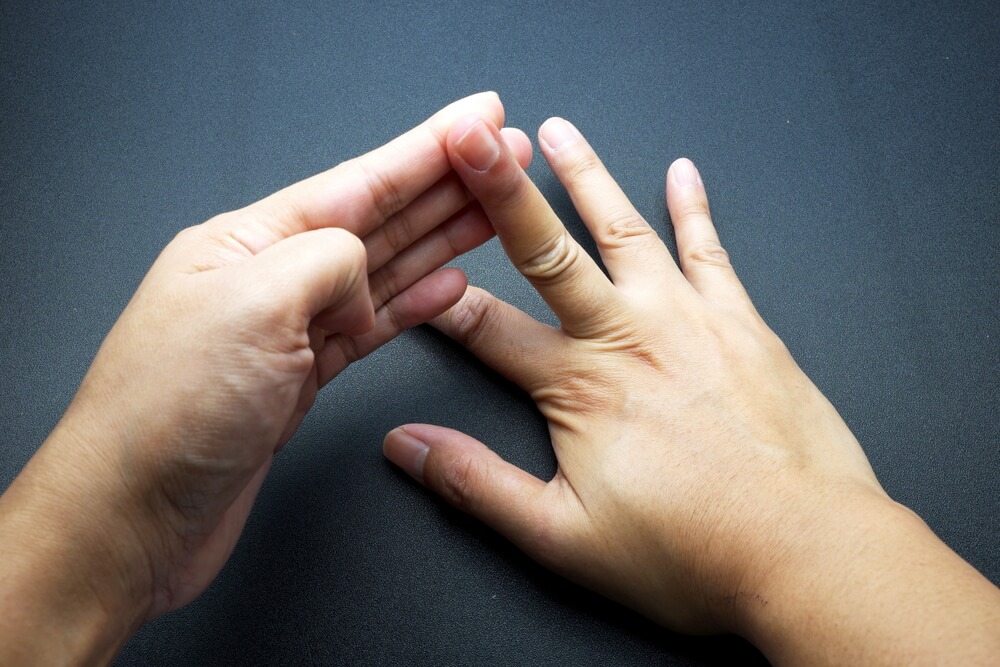
    1.   “O” exercise

    One great exercise for hand and finger arthritis is the “O” exercise. To begin this exercise, start with your hand and fingers flat. Then, slowly curve your fingers and thumb until they touch and form an “O” shape. Hold this position for a few seconds before returning to the starting position. You can repeat this exercise as many times a day as you need to, and it’s especially helpful when your hands are feeling achy or stiff.

    2.   Thumb bend

    The joint at the base of your thumb is particularly susceptible to arthritis, and that means the thumb bend exercise should definitely be in your hand and finger arthritis exercise list. Begin with your hand flat with the palm facing up, and then, slowly bend your thumb toward your palm. The goal is to touch your thumb to the base of the pinky finger, but just stretch it as close to there as you can if you can’t quite make it. Hold the stretch for two seconds on every repetition and try to do about 10 repetitions at a time with each thumb. 

    3.   Finger lift

    The finger lift is an exercise that’s intended to increase the strength of finger and hand muscles, and this can help support the joints better and reduce arthritis-related hand and finger pain. Before starting this exercise, you’ll need to place your right hand flat on a table or other level surface. Then, slowly raise your thumb off the table and hold it as high as you can for one or two seconds. Lower the thumb back to the table and repeat the steps for each finger on the right hand. After you finish with the right hand’s fingers, use these steps to exercise the fingers and thumb of your left hand, too. 

    Find other treatment options for arthritis in the hand and fingers at Excel Sports & Physical Therapy

    At Excel Sports & Physical Therapy, we have many therapy techniques at our disposal, and this means we can create treatment plans for arthritis that are personalized to your needs. Some of the techniques that may be included in your plan include: 

    Start tackling your arthritis symptoms. Contact our team today for more information or to schedule an initial appointment.

  • How vibration benefits rheumatoid arthritis physical therapy

    How vibration benefits rheumatoid arthritis physical therapy

    Rheumatoid arthritis is a painful condition to live with. But, many people have found physical therapy helpful for treating the symptoms of this condition. There are many physical therapy techniques that are commonly used in rheumatoid arthritis treatment plans. One technique you may not have heard about is whole body vibration, or vibration therapy. Vibration therapy can provide several benefits to rheumatoid arthritis physical therapy. Here are two of the benefits this treatment can offer: 

    1.   Bone density maintenance

    One issue that many rheumatoid arthritis patients face is low bone density. This can have a negative impact on their daily life and their rheumatoid arthritis physical therapy. For instance, low bone density often leads to increased pain. It has also been known to make it harder to maintain good posture. There’s also a greater risk of bone fractures when you have low bone density. 

    Rheumatoid arthritis patients are typically already dealing with pain and mobility restrictions, and low bone density can magnify these problems even more. Vibration therapy has been shown to boost the production of bone cells. This can help people with rheumatoid arthritis maintain a higher bone density. It can also help reduce the symptoms of low bone density. 

    2.   Improved muscle strength

    Another issue that people with rheumatoid arthritis typically face is decreased muscle mass. The main reason for this is because it’s harder for patients with this condition to move around, and this lack of movement leads to less muscle. Rheumatoid arthritis physical therapy programs help counter muscle loss with a variety of therapeutic exercises. However, using vibration therapy can be an alternative to therapeutic exercise. 

    Vibration therapy uses a device called a vibration plate. This device sends certain frequencies of vibration through the body when you stand on it. As a result of the vibrations, the muscles in your body must work to keep you upright and stable. This is typically accomplished with small muscle movements, but these small movements can help strengthen the muscles without the stress other types of exercise place on the joints. 

    Add vibration therapy to rheumatoid arthritis physical therapy plans at SOL Physical Therapy

    At SOL Physical Therapy, we know that there are many challenges facing rheumatoid arthritis patients every day. That’s why we’re proud to offer personalized treatment plans that are intended to reduce rheumatoid arthritis pain and improve your ability to move. The benefits our plans are designed to offer come from the multiple therapy methods they incorporate, such as: 

    Are you ready to get a better quality of life with rheumatoid arthritis? Contact our team today for more information or to schedule an initial appointment. 

  • Three reasons you may need muscle tension physical therapy

    Three reasons you may need muscle tension physical therapy

    Muscle tension is when your muscles are tight or stiff, and when you have it, your muscles can’t move as fully as possible. Many people deal with this on a daily basis, but you may not know why your muscles are so tense every day. Here are three common reasons people may need to seek muscle tension physical therapy: 

    1.   Stress

    Mental stress can come from a variety of sources. You may be trying to meet a deadline at work. Other people get stressed out when they have to talk in public. No matter what’s causing your stress, it can actually have physical effects on the body, and one effect it can have is to cause muscles to tense up. If you have this issue on a daily basis, it can lead to more serious problems, and you may want to seek physical therapy for your muscle tension. 

    2.   Dehydration

    Most of us are aware of how important water is to the body, but did you know that a lack of water can lead to muscle tension? Lack of water in the body is an issue called dehydration, and this condition causes the blood to thicken. This makes it harder for the muscles to get oxygen. 

    Also, a lack of water can cause the body to pull water from the muscle cells. So, when you have dehydration, your muscles aren’t oxygenated enough and don’t have enough liquid. Both of these factors together mean the muscles can be more tense and have difficulty moving normally. Drinking more water and muscle tension physical therapy can help relieve this type of muscle tension. 

    3.   Sports injury

    Sports injuries can also be the reason you need muscle tension physical therapy. One of the most common types of sports injury is the muscle strain, and this seemingly small injury can actually lead to high levels of muscle tension. When you strain a muscle, it develops microscopic tears, and scar tissue can form in these tears as they heal. 

    These areas of muscle scar tissue are called adhesions, and they can cause the muscle fibers to stick to each other rather than sliding normally. This stickiness can create greater muscle tension, but this type of tension can be treated with physical therapy. 

    Find effective muscle tension physical therapy at SSOR

    There are many factors in life that can lead to muscle tension, but our team at SSOR has the tools and expertise to help you treat this issue. First, we’ll have you come in for a one-on-one screening to help us figure out the source of your tension. Once we understand what the cause of your tension is, we’ll create a personalized physical therapy plan to treat it. This plan may include therapy techniques like: 

    Take the next step to get our help with your muscle tension. Contact us today for more information or to schedule an initial appointment.  

  • Three tips for carpal tunnel syndrome prevention

    Three tips for carpal tunnel syndrome prevention

    You get off from work, and you feel pain or numbness in your wrist, thumb and fingers. This is a sign that you may have carpal tunnel syndrome. This condition is typically caused by repetitive wrist movements, and it comes from the compression of the median nerve that runs through the carpal tunnel and into the hand. However, there are things you can do to avoid this painful condition. Here are three helpful tips for carpal tunnel syndrome prevention: 

    1.   Keep wrists straight

    The median nerve typically gets pinched or irritated when you have poor wrist posture, so keeping your wrists straight can help prevent carpal tunnel syndrome. For example, some people sleep in ways that bend the wrist too much or put lots of pressure on it. To help with this problem, you might want to try wearing a wrist brace to bed. Also, it’s important to keep your wrist as straight as possible when you use hand tools frequently. This is a suggestion from which mechanics, carpenters and painters can benefit. 

    2.   Take more breaks

    Taking breaks is important when performing a task that requires repetitive wrist movements, and taking them at regular intervals can help with carpal tunnel syndrome prevention. Repetitive movements of the wrist causes the muscles that support it to get tired. When these muscles get tired, it’s harder to maintain proper wrist posture, and this can lead to carpal tunnel syndrome. Taking a break from repetitive motions allows the wrist muscles some time to rest, and you can even do some easy stretches to help them recover. 

    3.   Grip objects less tightly

    Having a firm grip is typically seen as a good thing. After all, you tend to drop fewer cups of coffee when you’re gripping it tightly. However, it’s easy to have too much of a good thing when it comes to gripping objects. In many cases, you could actually be gripping things much tighter than necessary, and this can put you at greater risk of carpal tunnel syndrome. 

    For this reason, people should try to use only as much grip force as necessary, especially when performing repetitive tasks with the hands and wrists. By being conscious of how tightly you’re gripping objects, you could help prevent the development of carpal tunnel syndrome. 

    Get carpal tunnel syndrome treatment at Excel Sports & Physical Therapy

    Carpal tunnel syndrome prevention is the best way to treat this issue, but it may be too late for some people. If you already have carpal tunnel syndrome, Excel Sports & Physical Therapy can help you. We offer treatment plans that can be personalized to fit your specific symptoms, and these plans often include therapy methods such as: 

    Are you ready to start effectively treating your carpal tunnel syndrome? Contact our team today for more information or to schedule an initial appointment. 
When Was Your Appointment?

We recently changed bill pay providers. Please click the button for the date of your appointment to be directed to the correct online payment portal.