Please ensure Javascript is enabled for purposes of website accessibility

Category: Elbow Pain

  • Two easy golfer’s elbow physical therapy exercises

    Two easy golfer’s elbow physical therapy exercises

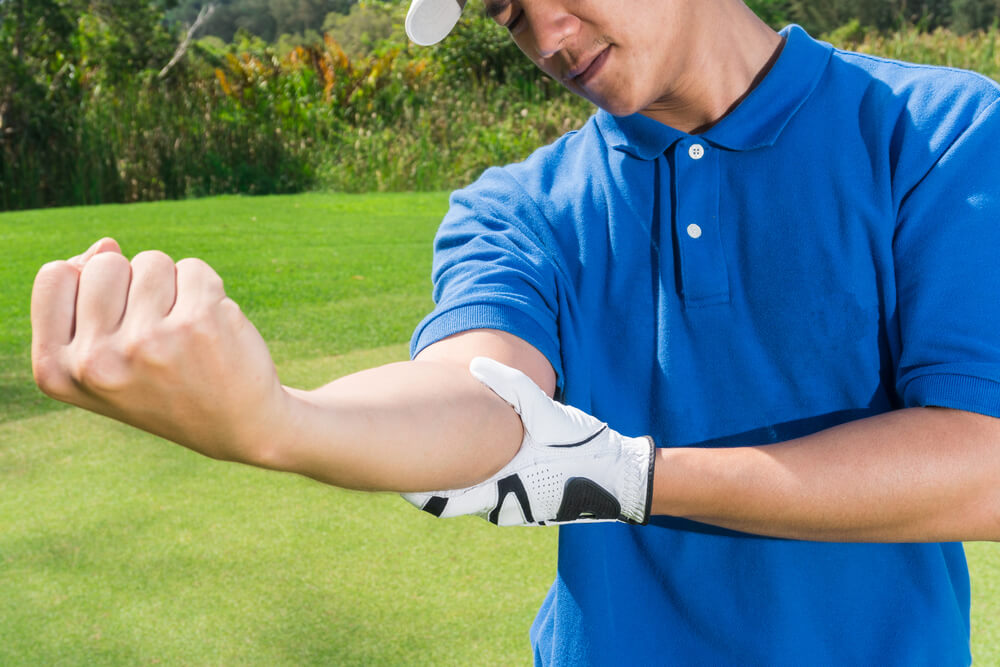
    Also called medial epicondylitis, golfer’s elbow is an injury that affects the tendons on the inside of the elbow and the forearm muscles. This condition can be caused by repetitive movements like swinging a golf club, but any repetitive wrist, forearm or elbow movement can cause this condition too. Physical therapy is one of the most effective treatments for golfer’s elbow. There are two exercises in particular that are likely to be included in therapy plans for this injury. 

    1.   Golfer’s elbow stretch

    Repetitive movements can lead to golfer’s elbow since these movements increase tension in the muscles on the inner side of the forearm. This tightness places additional stress on the tendons that attach the inner forearm muscles to the elbow bones, and the added stress can cause the pain and other symptoms associated with golfer’s elbow. One golfer’s elbow physical therapy exercise that can help relieve tension in the inner forearm muscles is the golfer’s elbow stretch. 

    To begin this exercise, hold your right arm straight out in front of you with the palm up. If you have difficulty holding your arm up, you can also lay your arm on a table with your hand and wrist slightly over the table’s edge. Then, relax the forearm muscles so that your hand dangles down toward the floor. Using the opposite hand, gently bend your right hand toward your body, and hold this stretch for about 30 seconds before releasing. Then, repeat the steps to stretch your left forearm, and continue repeating the stretch until you’ve done three to five reps on both sides. 

    2.   Isometric wrist flexion

    Once you’ve stretched out the inner forearm muscles, there are other golfer’s elbow physical therapy exercises that can help you strengthen these muscles. One excellent example is the isometric wrist flexion exercise. 

    This exercise is great because it doesn’t require any special equipment, and it also makes it easy to avoid further injury to the forearm and elbow. Start this exercise by sitting down in a chair next to a table or other flat surface, and rest your right forearm flat on the surface with your palm facing up. This is the home position of the exercise, and from here, you should tense the inner forearm muscles and slowly curl your right hand up toward your elbow. Hold the tension for about three seconds, and then slowly return your hand to the home position. 

    Try to do at least 15 reps before switching to your left arm. To increase the difficulty of this exercise, you can push down lightly with the opposite hand, but you’ll want to be sure to increase the tension gradually and stop if your pain increases. If the exercise becomes easy even with added tension from your other hand, you can try using a can of soup or a light hand weight to increase the difficulty. 

    Border Therapy Services offers golfer’s elbow physical therapy

    Border Therapy Services is proud to help people with golfer’s elbow physical therapy, and we offer treatment for many other sports injuries and work injuries as well. Our team also offers free screenings that can help pinpoint the injury you’re dealing with, and we can build a personalized therapy plan for you that may include therapy techniques such as: 

    Contact our team today for more information or to schedule an initial appointment if you’re ready to get help treating your golfer’s elbow symptoms.


  • Three tips for sleeping well with tennis elbow

    Three tips for sleeping well with tennis elbow

    Lateral epicondylitis, or tennis elbow, is a condition that can cause arm pain and other symptoms. These symptoms could be keeping you up at night, and the way you’re sleeping could be one reason for this. Fortunately, there are steps you can take to sleep better with lateral epicondylitis. Here are three tips for sleeping better with tennis elbow: 

    1.   Avoid sleeping on the affected arm

    Many people are most comfortable sleeping on their side, but this can also cause problems when you’re sleeping with tennis elbow. For instance, lying on the affected arm can reduce blood flow to the injured tendons. In turn, this can decrease the healing that takes place as you sleep. However, sleeping on your back doesn’t put as much pressure on the injured arm, and this allows blood flow to remain normal as you sleep and can boost the nocturnal healing in your elbow. 

    2.   Support your elbow with pillows

    If you decide to sleep on your unaffected side, there are still issues that can make sleeping with tennis elbow less restful. One issue this position can lead to is the upper arm muscles placing strain on your elbow, and this can cause the elbow tendons to be more painful. Also, you could end up twisting your forearm while you sleep, which can also stress the injured tendons and lead to pain. To avoid such issues, tennis elbow sufferers can support their affected arm on a pillow. This can help relieve tension in the upper arm muscles, and it can also help hold your forearm in an untwisted position while you’re sleeping. 

    3.   Use a brace while sleeping

    A third option that can make sleeping with tennis elbow more comfortable is a tennis elbow brace. These braces are designed to be worn on the forearm slightly below the elbow, and they can help support the forearm muscles. By doing so, they help reduce pressure on the injured elbow tendons, and this can help reduce pain that’s keeping you up at night. These braces help keep the forearm muscles from contracting fully, and this can be helpful to your tennis elbow if you typically clench your fists at night. 

    Sleeping better with tennis elbow can start at Peak Performance

    At Peak Performance, our highly trained physical therapy team can help you find the most effective treatment options for tennis elbow. The first step in this process is a free screening, and this helps us gather information about your condition. Then, we’ll use the information we gather to build a personalized therapy plan for your needs, and this plan can include therapy methods like: 

    Take the next step to get our help treating your tennis elbow. Contact us today for more information or to schedule an initial appointment. 

  • Tennis elbow symptoms and treatment in Warrenton, MO

    Tennis elbow symptoms and treatment in Warrenton, MO

    If your outer elbow or forearm isn’t feeling great, then you may be dealing with an injury called tennis elbow. This condition is also known as lateral epicondylitis, and it’s typically the result of repetitive elbow movements and stress. There are several symptoms that you’ll notice if you have tennis elbow. Fortunately, several treatments for this condition are available from physical therapists in Warrenton, Missouri. 

    What symptoms will you notice with tennis elbow?

    Pain is typically the most common symptom of a sports injury, and tennis elbow is no exception. The pain may be most noticeable when you grip objects or twist your forearm. For instance, you may feel an increase in your tennis elbow pain when picking up a glass from a table or twisting a doorknob. Swelling in the outside of your forearm or elbow is also a common symptom of this condition, and you may find that the area around the point of your elbow is extremely tender to the touch. 

    What physical therapy treatments for tennis elbow are available in Warrenton, MO? 

    Physical therapists in Warrenton have many treatment techniques that can be helpful when treating tennis elbow. For example, trigger point therapy is one technique that can be helpful for this condition. 

    Also called myofascial release, this technique involves releasing tension from fascia, muscles and other soft tissue where tension has built up, and areas where tension has built up in soft tissue are called trigger points. Using their hands, physical therapists can find trigger points and perform movements intended to release the tension in them. The release of tension can also help reduce your tennis elbow pain.

    Other therapy techniques that can also be used to treat tennis elbow include: 

    Find effective tennis elbow treatment at Excel Sports & Physical Therapy

    Excel Sports & Physical Therapy has a clinic in Warrenton, and our team here can help you treat tennis elbow and many other sports injuries. We’re able to help people with different issues for two reasons. For one thing, we have many therapy techniques at our disposal, and the other reason is that we can combine multiple therapies to create a personalized plan to target your injury. 

    Are you ready to find relief from sports injury pain? Contact our team today for more information or to schedule an appointment. 

  • Three common golf injuries treatable in Saint Charles, MO

    Three common golf injuries treatable in Saint Charles, MO

    Golf isn’t a sport that many people think of when it comes to sports injuries. Although there isn’t injury-causing body contact like in football or rugby, golfers have their fair share of injuries. If you’re an injured golfer in Saint Charles, Missouri, you may be happy to know that there are physical therapists nearby, and these professionals can help you treat three common golf injuries. 

    1.   Golfer’s elbow

    Golfer’s elbow is a condition that’s similar to the more well-known tennis elbow, but this condition causes you to have pain and irritation of the inner elbow and forearm rather than the outer. Also called medial epicondylitis, this common golf injury can cause pain when you’re making a fist or twisting your forearm, and it can also lead to forearm swelling. Golfers aren’t the only people who can get golfer’s elbow; people who perform repetitive motions like shoveling, painting, throwing or weightlifting should also watch out for symptoms of this injury. 

    2.   Back injury

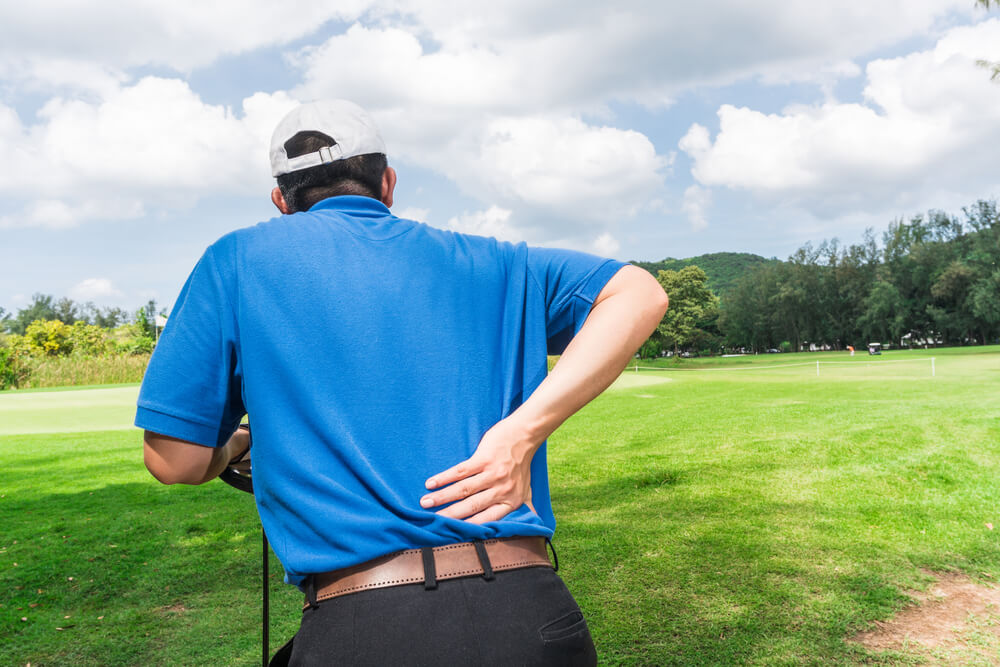
    It’s not surprising that golfers can also get several types of back injuries since there are frequent bending and twisting motions necessary to play golf. Golfers typically have to bend over from the waist to hit the golf ball, and they may be doing this movement hundreds of times during the five or six hours one round takes. This bending places a lot of pressure on the lower back, and the increased pressure can lead to strained back muscles and herniated discs. The same injuries can also result from the twisting motion your back does during your golf swing.

    3.   Shoulder injury

    Shoulder injuries are another type of common golf injury, and they’re usually caused by the repetitive movements golfers make during their swing. Also, accidentally striking roots, rocks or other hard objects while swinging your club can lead to a strained shoulder muscle. Poor posture during your swing can also put extra stress on your shoulders, and this could result in an injury to your rotator cuff. 

    Swing over to Excel Sports & Physical Therapy for help with common golf injuries

    If you’ve injured yourself playing golf, there’s a physical therapy team in Saint Charles that can help you with your injury recovery. This team can be found at Excel Sports & Physical Therapy. Our team will work one-on-one with you to determine what injury you have and what its root cause is. Then, we’ll build you a personalized physical therapy plan, and this plan can make use of many physical therapy techniques, such as: 

    Are you ready to start treating your golf injury? Contact our team today for more information or to schedule an appointment. 

  • Golfer’s elbow symptoms and treatments in Winterville, NC

    Golfer’s elbow symptoms and treatments in Winterville, NC

    Your elbows are able to function thanks to the tendons that connect the muscles to the joints that allow it to bend and straighten out. An injury or condition affecting one or more of these tendons can be painful and limit the use of your elbow. One injury that frequently affects elbows in many Americans is golfer’s elbow.

    Golfer’s elbow is the common name of a type of tendinitis that affects the inside of the elbow. Tendinitis is an inflammation of one or more of the tendons in your elbow due to overexertion and repetitive use of the joint. Don’t let the name “golfer’s elbow” fool you either. This condition can affect anyone who frequently uses their elbows for physical activities. 

    What are the symptoms of golfer’s elbow?

    Golfer’s elbow can develop slowly from repeated use or may develop quickly from a sudden injury. Its symptoms usually include:

    • Pain and tenderness along the inside of the elbow
    • Stiffness
    • Weakness in the elbow, wrist and hand
    • Numbness and tingling in the fingers

    If you notice any of these symptoms, you may want to visit a health care professional for treatment.

    Treating golfer’s elbow with physical therapy

    Physical therapists are health care professionals who specialize in natural treatments that empower your body to recover from conditions like golfer’s elbow. Physical therapists have many options for treating tendinitis in the elbow, but their main goal is usually to improve the strength and flexibility of the elbow. Stronger and more flexible muscles and tendons in the elbow can help reduce pressure off the injured tendon and help prevent future injuries. 

    At Peak Performance Sports and Physical Therapy in Winterville, North Carolina, we also offer manual therapy. This is a type of treatment that includes many mobilizations and manipulations of joints and soft tissue to reduce and prevent pain. 

    Visit Peak Performance Sports and Physical Therapy in Winterville, NC, for golfer’s elbow treatment

    Does persistent pain on the inside of your elbow keep you from enjoying your favorite activities? At Peak Performance Sports and Physical Therapy, we can examine your elbow and come up with a treatment to help you recover. Contact us today to learn more about golfer’s elbow treatment or to schedule an initial appointment.

  • How blood flow moderation helps tennis elbow therapy

    How blood flow moderation helps tennis elbow therapy

    Blood flow moderation training is typically seen as something that weightlifters do, but you may be surprised to learn it can also be very helpful in your tennis elbow physical therapy. Also called vascular occlusion training, blood flow moderation is a technique designed to restrict but not completely cut off the blood flow to your arms. This blood flow restriction can lead to three specific benefits for patients with tennis elbow. 

    1.   Increases growth hormone production

    In humans, growth hormone is naturally produced in the pituitary gland, and it helps the body’s cells grow, reproduce and regenerate. These properties can be especially helpful to people who are doing physical therapy for tennis elbow.

    Tennis elbow is a repetitive motion injury of the tendons on the outside of the elbow and forearm. In many cases, the repetitive motion of actions like hitting a tennis ball or typing on your computer can cause the elbow tendons to become damaged and inflamed. Vascular occlusion training can help repair the tendon damage of tennis elbow, and this is possible because the technique helps increase the body’s natural production of growth hormone. In turn, the growth hormone can be used by the body to make the collagen required to repair elbow tendons. 

    2.   Boosts protein production in muscles

    The tendons in your elbow are designed to attach the forearm muscles to the elbow bones, and blood flow moderation training can help increase the strength of these muscles. It does so by forcing the body to create more proteins that help build muscle. This means that your body will have more proteins to build muscle, and this can help increase the strength the muscles in your forearms. These stronger muscles can then offer better elbow support and reduce stress on elbow tendons.

    3.   Improves blood flow

    Blood flow moderation can also help people who are doing tennis elbow physical therapy by improving blood flow to the elbow. This form of therapy pushes the body to create more capillaries to get blood into the restricted arm. The greater number of capillaries helps increase blood flow, and this can help your elbow tendons get more oxygen and nutrients. When your tendons are receiving more oxygen and nutrients, they may be able to heal at a faster pace. 

    Find this and other tennis elbow physical therapy techniques at Border Therapy Services

    Our team at Border Therapy Services is trained in the use of blood flow moderation, and this is just one technique we can use to create an effective tennis elbow physical therapy plan for you. The personalized therapy plan we build for you can also include therapy methods such as: 

    Are you ready to find out more about how we can help you? Contact our team today for more information or to schedule an appointment.

  • Treating tennis elbow with physical therapy in Saint Peters, MO

    Treating tennis elbow with physical therapy in Saint Peters, MO

    Elbow tendinitis is commonly referred to as “tennis elbow” due to its association with tennis players. The constant swinging of a racket at high speeds can strain the elbow, which causes painful inflammation in the tendons known as tendinitis. 

    Don’t let the name “tennis elbow” fool you. Tennis players aren’t the only ones who can suffer from tennis elbow. This condition can affect anyone who subjects their elbows to repetitive motions, such as baseball players, swimmers or people with physically demanding careers. 

    In some people, tennis elbow goes away after a few days of rest and relaxation. However, others will need professional treatment from a physical therapist like our team members at Excel Sports and Physical Therapy in Saint Peters, Missouri. 

    Why should you treat tennis elbow with physical therapy?

    Physical therapists are health care professionals who specialize in treatments that empower your body to recover from injuries like tendinitis. Their treatments avoid the use of medications and invasive procedures, which can complicate your recovery. Instead, physical therapists use techniques like therapeutic exercise and manual therapy to treat your tennis elbow. 

    Treating tennis elbow with physical therapy offers several benefits, including:

    • Reducing pain — Physical therapy exercises and other treatments help improve the strength and flexibility of your elbow. This can reduce pressure off the tendon, which helps reduce pain in the elbow while it recovers.
    • Improving range of motion — Improving the flexibility of your muscles and soft tissue helps improve your range of motion while recovering from tennis elbow.
    • Preventing future injuries — More strength and flexibility in the elbow helps prevent future tennis elbow injuries from developing and can increase your resistance against other types of injuries as well, such as strains and sprains.
    • Reducing the need for drugs and surgery — Medication often comes with undesirable side effects, and surgery is risky and painful. Treating your tennis elbow with physical therapy can help you recover without needing to use these other types of treatments. 

    Visit Excel Sports and Physical Therapy in Saint Peters, MO, for tennis elbow treatment

    Is your elbow pain keeping you from enjoying physical activities or doing your job? Our team at Excel Sports and Physical Therapy in Saint Peters can help you recover. Contact our team today for more information about tennis elbow treatment or to schedule an initial appointment.

  • How to find carpal tunnel treatment in Horizon City, TX

    How to find carpal tunnel treatment in Horizon City, TX

    Carpal tunnel syndrome refers to symptoms, such as pain and tingling, that result from a compressed nerve in the narrow carpal tunnel of the wrist.

    The carpal tunnel is a passageway made up of bones and the transverse carpal ligament. This small opening is tightly packed with nerves, ligaments, muscles and blood vessels. Carpal tunnel syndrome occurs when pressure or injury causes compression of the median nerve that travels through this passage to send sensory and motor information to the hand.

    This can be a condition that may potentially worsen over time, so it’s important to seek carpal tunnel treatment to avoid the related symptoms becoming debilitating. In very many cases, a physical therapy program is a core part of a treatment plan for carpal tunnel syndrome. By taking steps to improve range of motion in the wrist and showing how to practice proper wrist posture and ergonomics, a physical therapist can help you manage this condition.

    Carpal tunnel treatment through physical therapy

    If you’re a patient seeking carpal tunnel treatment in Horizon City, Texas, Border Therapy Services is here to help. At our clinic right here in town, we’ll guide you through all the steps on your journey toward relief from wrist pain and related symptoms.

    Here’s what you can expect at your initial appointment:

    • A streamlined administrative process and a friendly staff to help you with any questions about paperwork
    • A personal assessment with one of our therapists that includes a medical history review, questions and answers about your symptoms and activities that trigger pain and a hands-on examination of your wrists
    • Recommendations for treatment options and patient education that can help relieve pressure on the median nerve and carpal tunnel

    From there, you can work together with your physical therapist to create a plan that is custom-tailored to your needs.

    Top tier care right in Horizon City

    At Border Therapy Services, we have a team of expert physical therapists with decades of combined experience who always put the patient at the center of care. Our carpal tunnel treatment options include manual therapy, massage and ergonomic recommendations to take pressure off the wrist.

    Learn more by contacting a member of our caring team to make your initial appointment today.

  • Tennis elbow treatment in Saint Peters, MO

    Tennis elbow treatment in Saint Peters, MO

    If you play tennis regularly, then you’re more likely to need tennis elbow treatment in Saint Peters, Missouri. Luckily, there’s a physical therapy team in your area that can help you treat elbow injuries.

    Excel Sports and Physical Therapy has a team that’s been helping people in the Saint Peters, Missouri area for 34 years now. When you come to our team for physical therapy, there are two main goals we’ll include in your therapy plan. The first goal we’ll set is to help you find the most effective blend of therapies for your injury or medical condition. We’ll work toward accomplishing this goal with a personalized therapy plan that’s tailored specifically to your needs. The second goal we’ll set for your therapy will be to help you get as many benefits as possible from your therapy with us. One type of treatment plan in which we include these two goals is in the tennis elbow treatment plans we build in our Saint Peters, Missouri office.

    Some benefits our tennis elbow treatment plans may have for you in Saint Peters, MO

    Our Excel Sports and Physical Therapy team has created many tennis elbow treatment plans at our Saint Peters, Missouri office over the years. One reason we’re committed to helping you find treatment for tennis elbow and other elbow injuries is we know how important your elbow is. Your elbow allows you to perform many actions every day that you may take for granted. For example, our team knows your elbow allows you to rotate your wrist, which is vital for actions like opening doors. We also know this joint is vital for raising or flexing your forearm, such as when you lift a shopping bag out of your trunk.

    One injury that our team often sees that may endanger your ability to perform daily actions like these is tennis elbow. Tennis elbow is a condition where the tendons on the outside of the elbow are injured or damaged in some way. Many people associate this elbow injury only with tennis players because of its name. It’s true that our team often sees this injury in people who play too much tennis. However, this elbow condition can also occur in anyone who overuses their elbow.

    We’re ready to help you if you develop tennis elbow whether you get it from playing tennis or not. Our team will build you a personalized treatment plan that may help you get benefits that include:

    • Reducing your elbow pain
    • Promoting healing of your elbow tendons
    • Increasing range of motion in your elbow
    • Helping you find ways to avoid elbow issues in the future

    With benefits like these, you should seriously consider a tennis elbow treatment plan from our team. We even make it easy for you to get the elbow treatment you need at our Saint Peters, Missouri Excel Sports and Physical Therapy location. All you have to do is take one step.

    Contact our team today for more information or to schedule an initial appointment.

  • Elbow pain treatment in Wexford, PA

    Elbow pain treatment in Wexford, PA

    It can be hard to find effective elbow pain treatment in Wexford, Pennsylvania, and you may have been searching for help for a while. However, your search may be at an end thanks to a team of great physical therapists located near you.

    Our team at Panther Physical Therapy is proud to serve the residents of Wexford, Pennsylvania. Ever since we opened our doors in 2003, our team has been committed to offering you the best possible physical therapy. Our treatments are all based on the idea that every person and condition is unique. This is why we always create a personalized therapy plan for you. One type of therapy plan that we’ll personalize to your needs is an elbow pain treatment plan in Wexford, Pennsylvania.

    One therapy we may use in your personalized elbow pain treatment plan in Wexford, PA

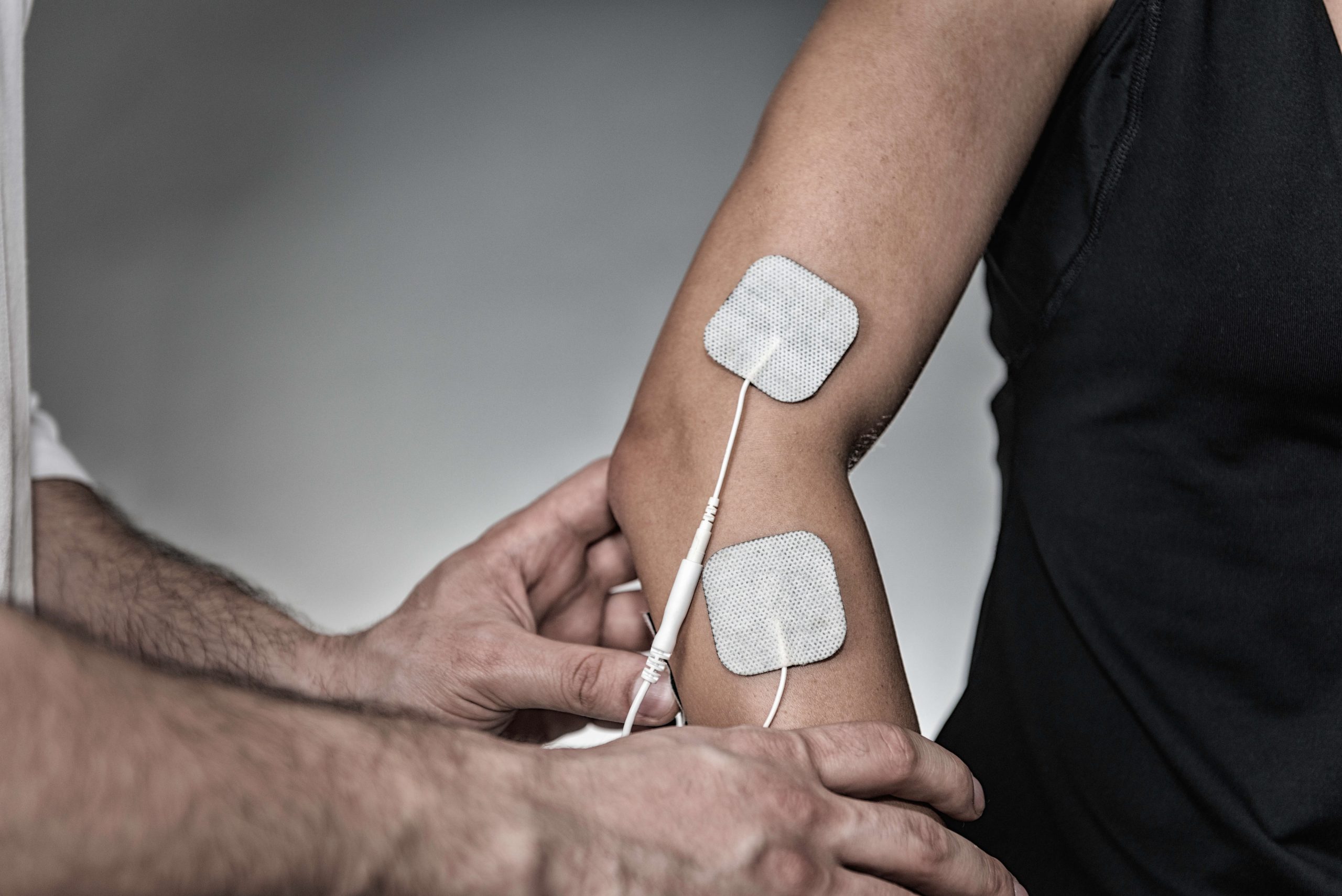
    One reason that our Panther Physical Therapy team is able to provide you with personalized elbow pain treatment in our Wexford, Pennsylvania office is that we have many therapies at our disposal. One therapy that we may include in your therapy plan is electrical stimulation.

    Electrical stimulation is a therapy method that uses low-power electrical waves, and we use this therapy method because it may provide you with several benefits. When our team is using electrical stimulation on your elbow, we’ll go through several steps. First, we’ll attach electrode pads around your elbow to allow the electrical waves to enter your soft tissues. Then, we’ll attach wires from our electrical stimulation machine to the pads. Finally, our team will then turn the machine on to create the electrical waves that are so important to this treatment method.

    By going through the process of electrical stimulation, our team may be able to help you achieve several benefits. For one thing, the electrical waves may help to block pain receptors in your elbow muscles. These waves may also encourage your body to produce more pain-relieving endorphins. Both of these actions may help to relieve your elbow pain. Our electrical stimulation treatments may also provide you with other benefits. For instance, they may help reduce elbow muscle tension. These treatments may also increase blood flow to your elbow and promote healing.

    Electrical stimulation is just one of the therapies that we may use in your elbow therapy plan. However, the benefits of this therapy method pale in comparison to getting started with your therapy when you first feel elbow pain.

    Are you ready to start your elbow pain treatment in Wexford, Pennsylvania? Contact our team today for more information or to schedule a free 15-minute screening.

  • Two elbow injuries that sports therapy can treat in Creve Coeur, MO

    Two elbow injuries that sports therapy can treat in Creve Coeur, MO

    Sports therapy can help treat your sports injuries, such as elbow injuries and other pain that may develop from athletic training. 

    At Excel Sports and Physical Therapy, we can help you with many different types of sports injuries in Creve Coeur, Missouri. We have more than 30 years of experience using physical therapy to treat sports injuries. Our goal is to help you find the most effective physical therapy for your injury, which is why we offer personalized treatment options specific to your injury, lifestyle and recovery goals.

    As a physical therapy team, we often see athletes with sports-related injuries. One of the most common injuries we see is elbow injuries. Fortunately, our physical therapy and rehabilitation services help treat many types of elbow injuries, as well as other aches, pains and sprains you may experience.

    Sports therapy for elbow injuries: dislocated elbow treatment

    Sports therapy is one of the best forms of treatment for sports injuries. Indeed, our team uses this therapy to treat a variety of types of sports injuries, such as elbow injuries.

    One example of an elbow injury we see often is elbow dislocation. This types of injury typically occurs when you land on your outstretched hand during a fall. In fact, the elbow is the second most commonly dislocated joint for adults, after the shoulder. 

    High-contact sports often cause elbow-dislocating falls. We often help players from sports such as football, rugby and gymnastics with elbow dislocations. Once your elbow has been put back into its normal position, our team can help heal muscles and ligaments strained by the dislocation. We may also be able to help reduce any lingering pain from your injury. Our team can do this thanks to physical therapy treatments such as electrical stimulation and therapeutic exercises.

    Tennis elbow treatment

    A second type of elbow injury our team often treats is tennis elbow. This condition is also called epicondylitis by medical professionals. It’s caused by repeat and excessive use of your elbow. This excessive use, in turn, causes tiny tears in your elbow ligaments. The result of these tears is inflammation and pain, and you may feel this pain on both the inside and outside of your elbow. 

    There are several ways that our team may be able to help reduce your pain and promote healing for this injury. First, we may use ultrasound therapy to help promote healing in your elbow ligaments. We may also work with you to improve your hitting form to help prevent recurrence of your tennis elbow and the pain it causes.

    Schedule your appointment today

    If you have an elbow injury, it’s time to find the sports therapists who can help treat it. Excel Sports and Physical Therapy makes it simple to find the therapy that you need for your injury. Contact our team today at 713 N. New Ballas Road in Creve Coeur, Missouri to schedule your first sports therapy appointment.

  • Cubital Fossa (Funny Bone) Syndrome

    Cubital Fossa (Funny Bone) Syndrome

    Cubital Fossa Syndrome is a condition that involves pressure or stretching of the ulnar nerve (also known as the “funny bone” nerve).

    Cubital Fossa Syndrome can cause numbness or tingling in the ring and small fingers, pain in the forearm, and/or weakness in the hand.  Weakness of the intrinsic muscles of the hand which will affect grip strength can also occur and in severe cases the weakness may also affect the wrist and forearm.  Symptoms are felt with either repetitive bending of the elbow or if the elbow is pressed against something.  These symptoms are often felt when the elbow is bent for a long period of time, such as while holding a phone or while sleeping. Some people feel weak or clumsy.

    Causes of Cubital Fossa Syndrome
    • Pressure: The ulna nerve sits very close to the humerus bone in the elbow and there is very little padding between the nerve and the skin. This makes it susceptible to being compressed when pressure is applied to that area.  Direct pressure (like leaning the arm on an arm rest) can press the nerve, causing the arm and hand — especially the ring and small fingers — to “fall asleep.”
    • Stretching:  Keeping the elbow bent for a long time can stretch the nerve behind the elbow.  This can happen during sleep.
    • Anatomy:  Sometimes, the ulnar nerve does not stay in its place and snaps back and forth over a bony bump as the elbow is moved.  Repeated snapping can irritate the nerve. Sometimes, the soft tissues over the nerve become thicker or there is an “extra” muscle over the nerve that can keep it from working correctly.
    Physical Therapy Can Relieve Cubital Fossa Syndrome

    Non-Surgical treatment is often successful especially if started early. Physical therapy will involve soft tissue techniques to reduce local adhesions and muscle tightness along with specific “nerve glides” to restore mobility of the ulna nerve as it passes around the elbow. Rest from aggravating activities is important. A pad over the elbow to prevent friction or a night-splint to prevent prolonged bending of the elbow can help.

    Anti-Inflammatory medications are often useful to decrease irritation. If a 4 week treatment regime is not successful then surgery may be indicated. Surgery would involve either an ulna nerve transposition where the nerve is moved away from the bony medial epicondyle or a medial epiconylectomy-removal of the bone to free up nerve movement. Physical Therapy is needed post-surgery to restore elbow mobility, wrist/finger strength and prevent adhesions. Desensitization of the scar may also be needed.


When Was Your Appointment?

We recently changed bill pay providers. Please click the button for the date of your appointment to be directed to the correct online payment portal.