
Please ensure Javascript is enabled for purposes of website accessibility

Category: Elbow Pain

  • What is the top sign of golfer’s elbow?

    What is the top sign of golfer’s elbow?

    The top sign of golfer’s elbow, or medial epicondylitis, is pain on the inside of your elbow. Often, this pain radiates into the forearm, wrist and hand. It can also be triggered by grasping objects like doorknobs or cups. 

    Golfer’s elbow is an injury that occurs to an elbow tendon called the medial epicondyle tendon. This condition is less common than tennis elbow, but it does cause up to 20% of all epicondylitis cases. Physical therapists are one type of medical professional that can help you learn what is causing your golfer’s elbow. They can also offer effective medial epicondylitis treatment. 

    These factors commonly cause golfer’s elbow

    Playing golf with improper swing mechanics can be what is causing your golfer’s elbow. However, golfers aren’t the only people who can develop this painful condition. Other factors that can lead to this injury are: 

    • Doing repetitive elbow isolation exercises during weight training. 
    • Performing repetitive tasks (e.g., assembly line workers). 
    • Having poor form while throwing a ball. 
    • Overstressing your elbow during racket sports.

    How can physical therapy treat golfer’s elbow?

    The elbow is one of many structures in the human musculoskeletal system. It’s this system that physical therapists are specifically trained to treat. There are many treatment techniques that your physical therapist can bring to bear on your golfer’s elbow. Typically, techniques are combined to create a therapy plan that’s customized to your needs. 

    A small selection of the therapy methods that could be included in your therapy plan are: 

    • Dry needling sessions that can help reduce pain and improve joint function. 
    • Therapeutic exercises to strengthen the muscles that support and move your elbows.

    Excel PT offers top-notch golfer’s elbow treatment

    You deserve help from a physical therapy team that knows what the most effective golfer’s elbow treatments are. That’s just the type of help our Excel Sports & Physical Therapy team can offer you. We’ll start your treatment process by doing a free screening to learn as much as possible about your condition. Then, our physical therapists will create a therapy plan that’s specifically personalized to your needs. 

    Not able to come to an in-clinic therapy session? That’s OK! Our team offers at-home care and virtual therapy sessions that you can do in your home. 

    Contact our team today for more information about how we can treat golfer’s elbow or to schedule an initial appointment. 
  • Elbow pain when lifting? Here’s what you should do

    Elbow pain when lifting? Here’s what you should do

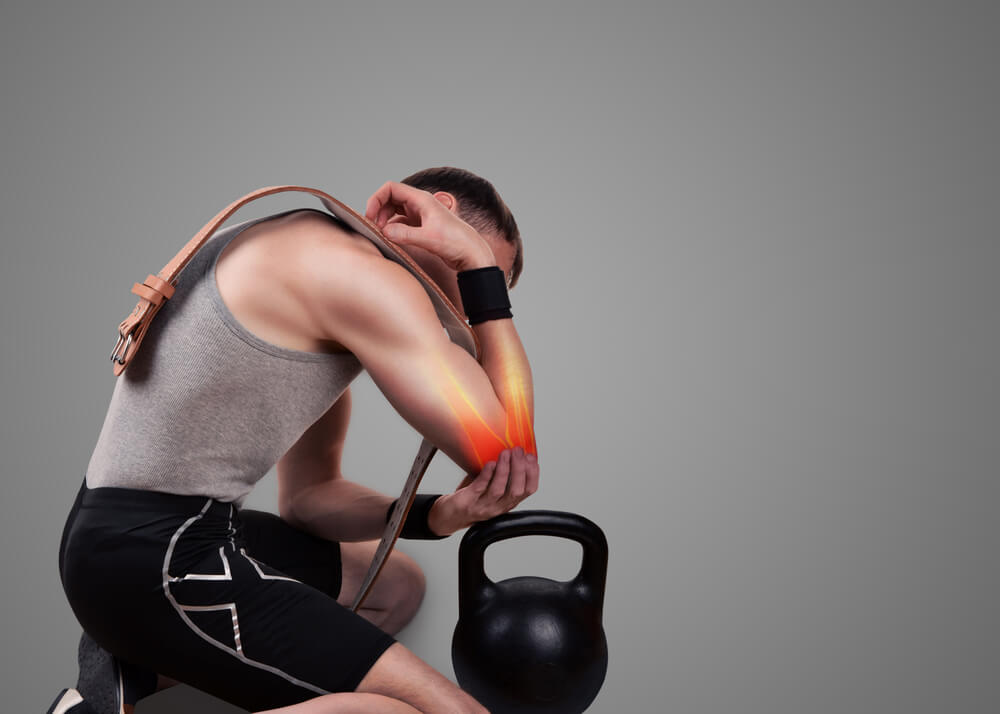
    Strength training, or weightlifting, is a great way to get active and improve your health. However, some people may experience elbow pain when lifting that can make strength training more difficult. 

    The reality is that the elbow is a complex joint; it’s a structure that includes tendons, bones, bursae, cartilage and other structures. An issue with any of these parts can lead to elbow pain when lifting. Fortunately, there are some things you can do to reduce your elbow pain during lifting exercises. 

    Three things you can do to reduce elbow pain when lifting

    Strength training exercises that involve the elbow are often repetitive, which means you’re more likely to develop elbow pain when lifting. The good news is that there are steps you can take to reduce your elbow pain. In some cases, you may be able to prevent it from happening in the first place. 

    Three steps you can take to reduce or prevent elbow pain during strength training include: 

    1. Do your warmups — It’s important to warm up the muscles in your arms if they’re to support your elbows properly. Warmup movements for the elbows should focus on the biceps, triceps and forearm muscles. 
    1. Avoid arm isolation exercises — Isolation exercises for the arms, like arm curls, typically involve the elbow. They also involve moving the elbow repetitively and cut down on the number of muscles that are supporting the elbow joints. An alternative is to do a full body exercise, such as pushups, that activate more stabilizing muscles. 
    1. Visit a physical therapist — If you notice that your elbows are aching during your weightlifting, a physical therapist can help you. These specialists can identify underlying issues that could be causing your pain. They can also pinpoint specific form errors that could lead to pain in the future and show you how to fix them. 

    Where can you turn for treatment for elbow pain when lifting? Advent PT can help! 

    Do you feel pain in your elbow when lifting weights? Our physical therapists at Advent Physical Therapy are ready and willing to help you treat your pain. We’ll start by doing a free screening of the affected elbow; this screening is intended to reveal the root cause of your pain. Also, our physical therapists excel at creating personalized therapy plans designed to reduce elbow pain and prevent it from coming back. 

    Interested in treating your pain from home? Then, you’ll want to get in touch with us about our at-home care and virtual therapy services. You can even get our help with your pain if you haven’t got a referral from your doctor. 

    Contact our team today for more information about our elbow pain treatment services or to schedule your initial appointment.

  • What is golfer’s elbow and how do you treat it?

    What is golfer’s elbow and how do you treat it?

    Everyone has heard of medial epicondylitis, right? Well, probably not. But what you may have heard of is its common term: golfer’s elbow.

    Golfer’s elbow is one of the many forms of chronic pain that can affect the soft tissue in your elbow. When you have golfer’s elbow, it can hurt to bend your elbow and it may also affect your grip strength. This not only makes it difficult to golf, but it also affects your ability to perform a variety of daily tasks, such as simply changing your shirt.

    What exactly is golfer’s elbow?

    Golfer’s elbow is a form of inflammation and tenderness in the muscles that run along the inside of your elbow and forearm. Repetitive stress to these muscles from physical activity can cause irritation and inflammation that leads to chronic pain. While you don’t have to be a golfer to experience this condition, it’s known as golfer’s elbow because golfing frequently causes irritation in this region.

    Treatment for golfer’s elbow

    Treatment for golfer’s elbow varies from person to person depending on the severity of the pain and other factors, like age and medical history. However, in many cases you can benefit from physical therapy. 

    A physical therapist can guide you through a personalized treatment routine to help you reduce pain and improve your range of motion using methods like:

    • Gentle stretches
    • Therapeutic exercises
    • Soft tissue mobilization
    • Joint mobilization
    • Posture guidance
    • Patient education

    When you visit a physical therapist for treatment, they will perform an examination to determine the cause of your pain. Once they have located the source of pain in your arm, they will work on guiding you through a personalized treatment routine to help you recover.

    Visit Panther Physical Therapy for golfer’s elbow treatment

    Do you have pain in the inside of your forearm stemming from your elbow? You may have golfer’s elbow. Our physical therapists at Panther Physical Therapy can examine your condition and guide you through a personalized treatment routine to help you manage the pain and improve your range of motion. Contact our team for more information about golfer’s elbow or to schedule an initial appointment.

  • Why do I have elbow pain when lifting heavy objects?

    Why do I have elbow pain when lifting heavy objects?

    This question can have many answers, and finding the right answer for you is often easier when you’re working with an experienced physical therapist. 

    Elbow pain is an issue that affects many Americans, and research shows that lateral elbow pain is especially common. Medical researchers report that up to 7 in every 1,000 Americans develop lateral elbow pain annually. A physical therapist can help you figure out why you have elbow pain when lifting heavy objects, and these specialists can also help you find treatment for your elbow pain. 

    What causes elbow pain when lifting heavy objects?

    Physical therapists are well versed in the elbow because they study the musculoskeletal system closely. They can tell you that the elbow joint is very complex: It contains cartilage, tendons, bones and more. 

    Typically, elbow pain when lifting heavy objects is related to a problem or injury to an elbow structure. Some of the issues that can lead to this type of pain include: 

    What can a physical therapist do to treat your elbow pain?

    First, your physical therapist will likely recommend that you stop lifting heavy objects while you still have elbow pain. Then, they will evaluate your elbow to determine the cause of your pain. Based on the evaluation findings, your specialist will then build you a therapy plan to treat your elbow condition. This plan can include therapy methods such as: 

    • Dry needling that can reduce tension in soft tissue and decrease pain. 
    • Therapeutic exercises to strengthen the muscles that move and support your elbow. 
    • Astym® therapy that can help break up myofascial trigger points in arm soft tissue. 
    • Aquatic therapy that allows you to work on lifting objects while putting less stress on your elbow. 

    Find treatment for your elbow pain Excel PT

    Want to find effective treatment for the issues causing your elbow pain when lifting heavy objects? Our physical therapy team at Excel Sports & Physical Therapy is here to assist you. We offer free screenings that can reveal the issue causing your elbow pain. Additionally, our physical therapists are adept at building individualized therapy plans to reduce and prevent elbow pain. 

    Is your elbow too painful to drive? You don’t have to find anyone to drive you to a therapy session with us. We offer therapy services like virtual care and at-home therapy that you can use from home. 

    Contact our team today for more information about all our treatment options for elbow pain or to schedule an initial appointment. 

  • What causes wrist pain from lifting?

    What causes wrist pain from lifting?

    Recently, a lot of people have thrown themselves into a quest to improve their physical fitness. One key aspect of this quest is often doing more strength training, which can be very beneficial. 

    However, doing more strength training can also lead to wrist pain from lifting. Medical studies found that weightlifting led to 13% of all wrist injuries, and that nearly half of all sport-related wrist injuries were sprains. A physical therapist can help you learn the source of your wrist pain from lifting. These specialists can also help you reduce your pain and prevent it from coming back. 

    Three common causes of wrist pain from lifting

    Out of all the lifting-related issues that can cause wrist pain, there are three that are especially common: 

    1. Overuse — One medical study reports that up to 26% of athletic wrist injuries are related to overuse. Any body part can be pushed too far during a workout, and the wrists are no exception. Doing too many lifting exercises at one time can lead to aching wrists. Also, doing wrist-related exercises too often throughout the week doesn’t give the wrists the rest they need. This can easily leave them inflamed and painful.
    1. Weakness — The wrists are an area that many people don’t focus on during a workout. As a result, they’re often weaker than many of the other areas in your arms. Such weakness makes the wrists more prone to strains, sprains and injuries like carpal tunnel syndrome. 
    1. Poor positioning — Many people who work out are well aware that good back posture is important. However, fewer people tend to focus on wrist posture during their workout. The most stable position for your wrists is to keep them aligned with the forearms. Letting your wrists bend upward or downward during lifting can increase your risk of wrist discomfort and injuries. 

    How can a physical therapist treat wrist pain from lifting? 

    Your therapist can take steps to help you treat and prevent lifting-related wrist pain. Some of the these steps may include: 

    • Using manual therapy methods to mobilize and manipulate the wrists and forearms. 

    Find therapeutic care for wrist pain at Border Therapy Services

    Need help treating your wrist pain? Our Border Therapy Services team is ready to help you find the most effective therapeutic care for your pain. We offer free screenings that can pinpoint the root cause of your wrist pain. Additionally, our physical therapists are adept at building individualized therapy plans designed to decrease pain and prevent it from returning again. 

    Don’t have time to come to one of our clinics? No worries! You can still get effective physical therapy from our team by using our at-home care or virtual therapy services. 

    Contact our team today for more information about all the therapy options we offer for wrist pain or to schedule your initial appointment.

  • What can cause shoulder and elbow pain at the same time?

    Often, pushing yourself during a workout can lead to aching in your shoulder and elbow. Playing a high-impact sport can also leave these areas banged up and painful. Such issues will typically feel better after some rest. However, there are issues that cause shoulder and elbow pain that require professional help. 

    A physical therapist can help you treat shoulder pain, elbow pain or a combination of the two. Part of the physical therapy process will be evaluating the painful areas to learn the cause of your pain. Additionally, therapy specialists have many techniques at their disposal to treat pain in both of these joints. 

    Two common causes of shoulder and elbow pain

    There are two issues that physical therapists see that commonly lead to elbow and shoulder discomfort. These issues are: 

    1. Bicipital tendinitis — The biceps tendon is located at the front of your shoulder. When it’s overstretched or inflamed, it can cause aching in both the shoulder and elbow. This condition is common in people who overuse their biceps. It’s also commonly linked to a problem with the rotator cuff. 
    1. Pinched nerve — There is a group of four nerves called the brachial plexus. These nerves run through the shoulder and down the arm. One of these nerves being pinched or irritated can easily lead to tingling, numbness and discomfort. These symptoms can occur in the shoulder, elbow, forearm and hand. 

    What can a physical therapist do to treat shoulder and elbow pain?

    The most important step your physical therapist can take to help your pain is help you understand what’s causing it. Not far behind is their ability to build you an individualized therapy plan. 

    To treat your pain, your physical therapist could use techniques like: 

    • Virtual therapy sessions where you work with your physical therapist over a secure video connection. 
    • At-home care appointments where you work one-on-one with your physical therapist in your home. 

    Find the care you need for shoulder and elbow pain at Armor PT

    Our team at Armor Physical Therapy has experience treating a wide range of musculoskeletal issues, including problems with the shoulders and elbows. We offer free screenings that can pinpoint the root cause of your pain. Additionally, our physical therapists are adept at creating personalized therapy plans designed to reduce pain and prevent it from returning. We can even get you started on your therapy without a doctor’s referral. 

    Contact us today for more information about our shoulder and elbow therapy services or to schedule an initial appointment. 
  • Golfer’s elbow, tennis elbow . . . What’s the difference?

    Golfer’s elbow, tennis elbow . . . What’s the difference?

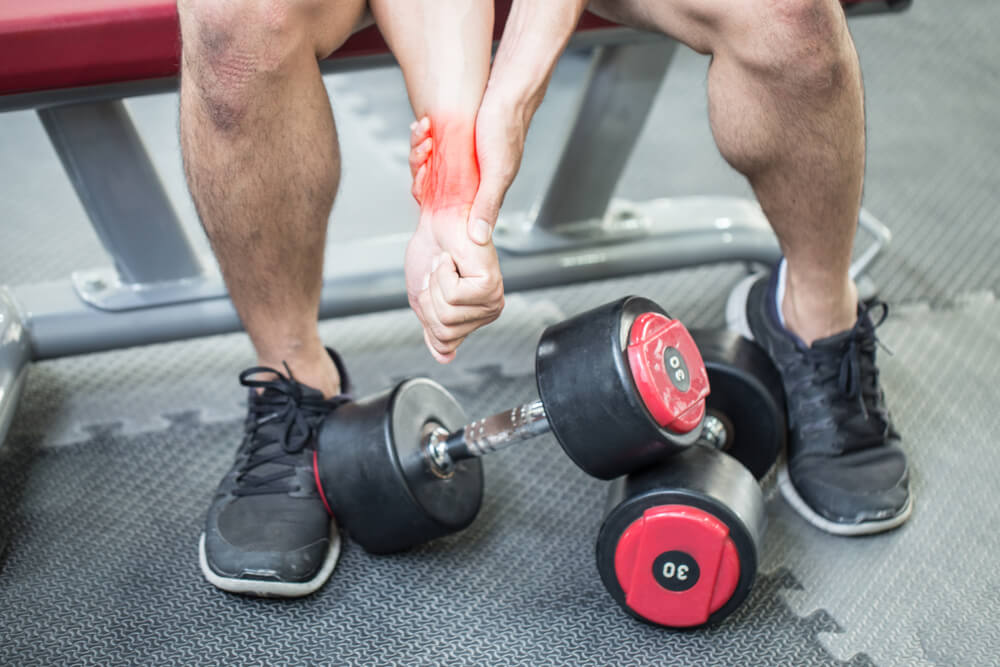
    Assembly line workers. People who lift weights with poor technique. Painters and carpenters. There are far more people at risk of developing golfer’s elbow or tennis elbow than just golfers or tennis players. 

    It can often be difficult for people with these conditions to determine which one they have. After all, many of the symptoms are very similar — both injuries lead to elbow pain, and they both tend to develop gradually over time. A physical therapist can help you learn some of the differences between golfer’s elbow and tennis elbow. These specialists can also provide treatment for both of these elbow injuries. 

    Three differences between tennis elbow and golfer’s elbow

    It’s important to know whether you have tennis elbow or golfer’s elbow before you begin treatment. Physical therapists may also refer to these injuries as lateral epicondylitis and medial epicondylitis, respectively. 

    There are certain differences that therapists look for to determine which condition you have. Three of these differences are: 

    1. Elbow tendon affected — Your forearm muscles are attached to the elbow bones by tendons. However, different tendons are injured when you have lateral and medial epicondylitis. For patients with the former injury, their lateral epicondyle tendon has been injured. Patients with the later condition have an injury to their medial epicondyle tendon.
    1. When you feel pain — The tendons that are affected by lateral and medial epicondylitis also determine when you might feel pain. Lateral epicondylitis affects the structures that helps you open your fingers. This means you’re more likely to feel pain when letting go of objects. Medial epicondylitis affects the structures that close your fingers, so you’ll typically feel pain when grasping objects. 
    1. Where you feel pain — It’s true that both issues typically cause elbow pain. But the location of your pain will be different depending on which injury you have. Patients with lateral epicondylitis will feel pain on the outside of their elbow. The inside of the elbow will be where medial epicondylitis patients feel pain. 

    Find effective treatment for golfer’s elbow and tennis elbow at Excel PT

    Not sure where to turn for effective treatment for your elbow injury? Our team at Excel Sports & Physical Therapy is primed to help you find the therapeutic care you need to recover quickly. We’ll start by doing a thorough evaluation of your elbow to determine which elbow issue you’re dealing with. Then, our physical therapists can construct a therapy plan that’s personalized to your needs. Your plan will also be designed to reduce pain and prevent future elbow injuries using therapy methods like: 

    Contact our team today for more information about our treatment options for elbow pain or to schedule an initial appointment. 

  • Signs you need physical therapy for tennis elbow

    Signs you need physical therapy for tennis elbow

    Tennis elbow, also known as lateral epicondylitis, refers to inflammation and irritation of the tendons that connect the forearm to the elbow. This condition typically develops due to overload and repetitive motion on the elbow, and although it is common in tennis players, it can affect anyone who puts stress on this area of the body. 

    Lateral epicondylitis can often improve with rest and basic treatments. But there are some cases of this condition that may require professional help. Physical therapy can be a particularly effective form of treatment for tennis elbow. It can not only reduce pain and improve mobility, but it can also potentially help prevent future injuries by promoting strength and stability in the elbow. 

    When to see a physical therapist for tennis elbow treatment

    If you think you’ve developed tennis elbow, it’s important to cease or limit any activities that could exacerbate this condition. However, this may not be enough to recover from this condition. You may also need help from a physical therapist. 

    It’s time to seek help from a therapy specialist if you have the following symptoms: 

    • Your pain has persisted for longer than a few days to a week.
    • Your pain suddenly becomes more severe.
    • You’re also experiencing wrist and hand pain.
    • Symptoms make it difficult to hold a cup, turn a doorknob, shake someone’s hand or perform other basic activities.

    Many patients seek initial diagnosis and treatment from a doctor, such as their primary care physician. This allows them to get diagnostic testing including an X-ray or MRI. Upon diagnosis, physical therapy is a commonly sought-out treatment, whether patients are referred by their doctor or seek it out themselves. 

    How physical therapy can help with tennis elbow

    By performing movement tests and other evaluations, a physical therapist can identify biomechanical issues that contribute to the development of lateral epicondylitis. They can then help you form a comprehensive treatment plan that can include: 

    Peak Performance offers treatment for tennis elbow

    Not sure where to get physical therapy for lateral epicondylitis? Our team of therapy specialists at Peak Performance offers the care you need for this condition. We can perform a free screening on your elbow to pinpoint the root cause of your injury. Our physical therapists will then create a personalized therapy plan designed to decrease your pain and improve your elbow function. 

    Don’t have the time for an in-person physical therapy session? No problem! We can help you save the time it would take to drive over to see us by meeting with you through virtual therapy appointments. In addition, you can start using our therapy services even if you don’t have a referral from your doctor. 

    Don’t wait to start getting our help with your elbow injury. Contact us today for more information about how we can help treat it or to schedule an initial appointment. 

  • What should every person know about elbow pain?

    What should every person know about elbow pain?

    It’s easy to take your elbows and other joints for granted, but when they get hurt, you suddenly realize their importance. Your elbows are at risk for pain primarily due to overuse, but elbow aches can have many other causes, too.

    Your elbows are joints made up of bones, cartilage, muscles, ligaments and joints. Each of these areas is at risk for some form of pain or injury, and when one of them is hurt, the entire elbow suffers for it. Elbow pain can be managed with treatment from a physical therapist. These specialists can also help you learn important information about your elbow issue and symptoms. 

    Signs that you have a serious elbow issue

    Since there are many parts that make up the elbow, there are many conditions that can cause elbow pain. As mentioned before, some conditions are mild and are not of great concern, but others are serious and require professional treatment.

    Signs of serious elbow conditions can include:

    • Pain that is severe or lasts longer than a few days
    • Pain that persists regardless of whether you’re resting or using your arm
    • Redness and swelling
    • Stiffness and loss of motion
    • Deformed appearance of the joint

    If you have any of these symptoms, please visit your health care provider for diagnosis and treatment. Do not try to ignore the pain and be tough. If serious elbow symptoms are left untreated, they can grow worse or cause permanent disability.

    Issues that commonly cause elbow pain

    Mild elbow pain may be caused by strain to one of the muscles or ligaments due to overuse or failure to warm up before activity. More severe symptoms can come from serious causes that require medical attention. If you are suffering from severe elbow discomfort, your physician will check for the following common causes:

    Therapy techniques your physical therapist can use for elbow pain

    Once they understand the cause of your elbow pain, a physical therapist can develop a therapy plan to address it. Your plan will be personalized to fit the specific cause of your elbow symptoms, and it can be designed to reduce pain and improve function. 

    There are many therapy techniques that could be included in your elbow therapy program. A few of the most common physical therapy methods used for elbow issues are: 

    Find help for your elbow issues at Advent Physical Therapy

    Suffering from elbow pain? Our Advent Physical Therapy team can help you reduce your pain and regain your ability to use your elbow. We offer free screenings designed to reveal the cause of your elbow symptoms. In addition, our physical therapists excel at creating personalized therapy plans intended to reduce elbow pain. 

    Not able to leave home to get help? Don’t worry! Our team offers at-home therapy and virtual care services that can help you get effective physical therapy without leaving home. You can even start using our therapy services without first getting a doctor’s referral. 

    Contact our team today for more information about our physical therapy services or to schedule your free screening.

  • Three issues can cause elbow pain when you’re lifting weights

    Spending more time at home can be a positive thing. It can allow you to spend more time with your loved ones. You might have time for that fun hobby you’ve always wanted to try. Even better, you may have the opportunity to improve your physical fitness, and this means doing more weightlifting for many people. 

    One snag that can make it harder to maintain or improve your fitness is elbow pain when you’re lifting. Many issues can be causing your elbow pain when lifting, but there are three in particular that are particularly likely to cause pain in this joint during your weightlifting. 

    These three conditions could be causing your elbow pain when lifting

    Weightlifting is one of the most popular forms of physical activity. Researchers estimate that about 9% of Americans over 15 do this activity on an average day. However, your ability to lift weights can be seriously reduced if you experience elbow pain when lifting. 

    Here are three issues that could be the source of your pain during this activity: 

    1. Tennis elbow — In spite of its name, tennis isn’t the only activity that can cause this issue. Tennis elbow, or lateral epicondylitis, can affect anyone who performs repetitive elbow movements regularly. It typically involves pain on the outside of the elbow during movement, and it’s estimated that up to 3% of Americans develop tennis elbow every year. 
    1. Golfer’s elbow — This issue is also known as medial epicondylitis. Research shows that golfer’s elbow accounts for up to 20% of all epicondylitis cases. Golfer’s elbow causes pain on the inside of the elbow. It can easily be caused by repetitive elbow movements during common weightlifting exercises like biceps curls. Lifting too much weight can also cause this elbow injury.
    1. Elbow osteoarthritis — Osteoarthritis occurs more commonly in weight-bearing joints like the hips or knees. However, it can also occur in the elbow, especially in people who do elbow-specific movements frequently at work or while working out. Additionally, elbow osteoarthritis is more likely to develop in people who have injured their elbow. 

    Treat elbow pain when lifting with help from Armor Physical Therapy

    Need help treating elbow pain when lifting weights? Our Armor Physical Therapy team is primed to help you. We offer free screenings designed to zero in on the specific cause of your elbow pain. Our therapy specialists are also highly experienced at building personalized treatment plans for a variety of elbow issues. 

    Need to do your therapy from home? No problem! Armor Physical Therapy is currently offering virtual care and at-home therapy. No doctor’s referral necessary. 

    Take the next step to start getting our help with your elbow pain. Contact us today for more information about our therapy services or to schedule an initial appointment.

  • Why does my elbow hurt when I bend it?

    Why does my elbow hurt when I bend it?

    We use our elbows for so many things every day. Lifting our morning cup of coffee. Holding our cellphone up to text a friend. However, many people take such common actions for granted until they begin causing them pain. 

    There are many issues that could be causing your elbow pain, and figuring out which issue you’re dealing with is vital to treating your pain effectively. With a comprehensive assessment, our physical therapists can help you determine why your elbow is hurting when you bend it. 

    Three issues could be why your elbow hurts when you bend it 

    There are typically several steps involved in an assessment to determine why your elbow is hurting when you bend it. First, your therapist will ask you questions about the activities you do every day. Next, they’ll perform some movement tests. These are intended to reveal exactly which movements cause you to feel elbow pain. 

    There are three issues that such elbow assessments often pinpoint: 

    1. Tennis elbow — Medical professionals call this condition lateral epicondylitis. It’s estimated that up to 3% of the U.S. population is affected by tennis elbow annually. The most common symptom of tennis elbow is pain on the outside of the elbow. Other common symptoms include forearm and hand weakness and decreased elbow range of motion (ROM). 
    1. Golfer’s elbow — The proper medical name for this issue is medial epicondylitis. Researchers estimate that more than 1.3 million Americans develop golfer’s elbow every year. This issue typically causes pain on the inside of the elbow. It can also lead to stiffness, weakness, and numbness and tingling in the affected elbow, forearm or wrist. 
    1. Cubital tunnel syndrome (CTS) — This issue is also called ulnar neuropathy. Studies show that ulnar nerve abnormalities at the elbow occur in about 40% of people. In many cases, these abnormalities don’t lead to any symptoms. People who are symptomatic could have pain and numbness in the elbow. They might also experience tingling, numbness and weakness in the ring and little fingers. 

    SSOR can help you learn why your elbow hurts when you bend it

    Want to find out for sure why your elbow hurts when you bend it? Our team of therapy specialists at SSOR is ready to help you. The complimentary screenings we offer can be used to reveal the cause of your elbow pain. We also excel at building individualized treatment plans for many sources of elbow pain. Our team is also currently offering virtual care and at-home therapy sessions to help you get the therapy you need, and you can use any of our services without bothering to get a physician’s referral first. 

    Take the next step to start getting our help with your elbow pain. Contact us today for more information or to schedule your complimentary screening.

  • What causes elbow pain when bending and straightening my arm?

    What causes elbow pain when bending and straightening my arm?

    You rely on the use of your elbows for many of your actions throughout the day. Getting dressed, taking a shower, cooking, gardening and many other activities all require the use of your arms and the elbows. When one or both of your elbows are in pain when bending and straightening your arm, it can be difficult to get through these normal daily activities.

    If you’re suffering from elbow pain when bending or straightening your arm, you should take a moment to get to know what could be causing it and visit a physical therapist for treatment if you suspect you have any of these conditions: 

    Tennis elbow

    Tennis elbow, also known as lateral epicondylitis, is a form of inflammation in the elbow joint running along the outside of the elbow. The pain from tennis elbow can spread down the back of your forearm and feels worse when bending or straightening your arm.

    Tennis elbow can develop from overuse of the arm in physical activities that involve repetitive twisting of the wrist, such as:

    • Playing tennis
    • Swimming
    • Manual labor with hammers, wrenches and screwdrivers
    • Typing at a computer

    Golfer’s elbow

    Also known as medial epicondylitis, golfer’s elbow is a form of inflammation in the elbow joint that runs along the inside of the elbow. Golfer’s elbow is the result of frequent use of the arm in physically demanding activities involving gripping motions, such as:

    • Swinging a golf club
    • Climbing
    • Lifting weights
    • Throwing a ball

    Strained biceps

    Your biceps is the muscle on the front side of your arm between your elbow and shoulder. It powers your lifting motions by contracting your elbow joint. Overuse of the arm in physical activity, such as frequently lifting heavy objects, can cause you to pull the muscle, which is an injury known as a strain. 

    Visit Excel Sports & Physical Therapy for elbow pain treatment

    Are you suffering from elbow pain when bending or straightening your arm? It’s our mission at Excel to help patients like you manage your pain and regain the use of your arm. Our physical therapists can examine your elbow and develop a personalized treatment routine to assist you in reaching your recovery goals. All the treatments we develop are personalized to your needs, but you can generally expect your treatment to include:

    • Gentle exercises and stretches
    • Joint mobilization
    • Soft tissue mobilization
    • Grip and posture guidance
    • Patient education and more

    If you’re ready to start your journey toward recovery, contact our team today for more information about elbow pain or to schedule an initial appointment. 

When Was Your Appointment?

We recently changed bill pay providers. Please click the button for the date of your appointment to be directed to the correct online payment portal.