Please ensure Javascript is enabled for purposes of website accessibility

Category: Back Pain

  • How to Treat Lower Back Pain After Workout

    How to Treat Lower Back Pain After Workout

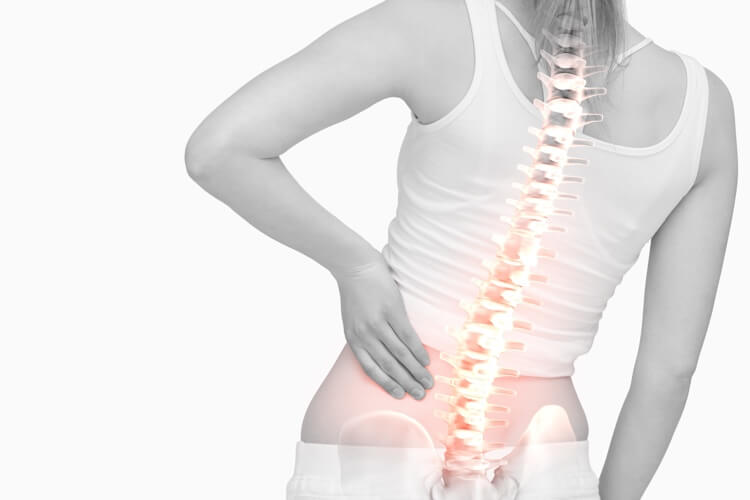
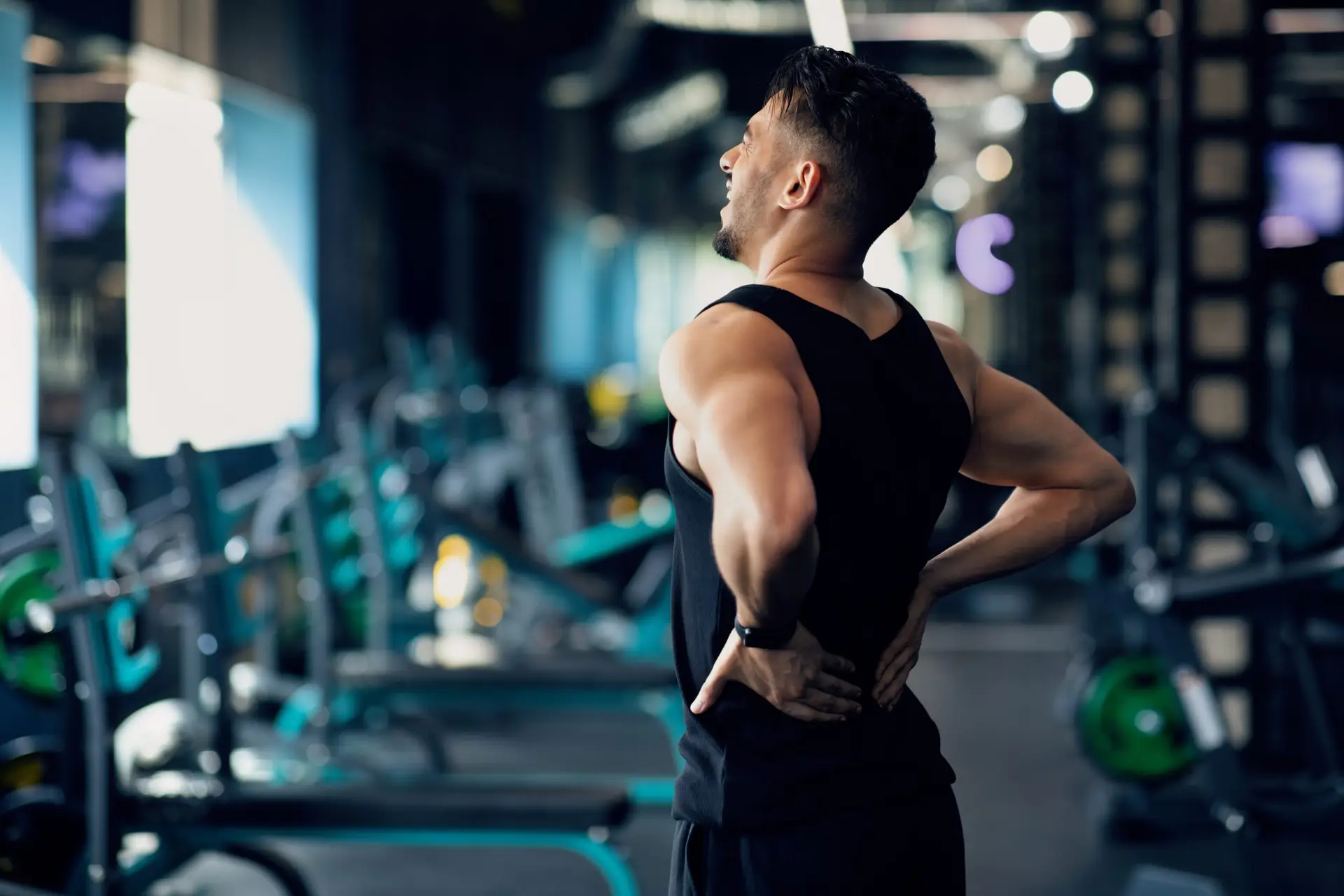
    Lower back pain after a workout can be frustrating, whether you’re a fitness beginner just starting your gym routine or a seasoned athlete pushing your limits. It’s even more concerning when you’re unsure whether the discomfort you’re feeling is simply post-workout soreness or something more serious.

    The good news is that most cases of back discomfort can be managed effectively, and the likelihood of long-term damage is low, especially if you address the issue early. If you’re really worried or the pain doesn’t go away on its own, remember that you can always visit a physical therapist at SOL without needing a referral.

    Common causes of back pain for active individuals

    Figuring out the root cause of your lower back pain can make all the difference in addressing it effectively. Here are the most common culprits and their associated symptoms.

    Muscle strain

    A muscle strain occurs when the fibers in your muscles or tendons are overstretched or torn, often due to overuse or improper form.

    Symptoms of low back muscle strains include:

    • Sudden sharp pain during or immediately after movement
    • Swelling or tenderness in the lower back
    • Stiffness, particularly after resting

    Muscle strain is often linked to exercises that require heavy lifting, twisting, or sudden, explosive movements. Beginners are particularly susceptible if they haven’t yet built up adequate strength for their workout routine.

    Herniated disc

    A herniated disc happens when the soft material inside a spinal disc pushes through a gap in the outer layer, often compressing nearby nerves.

    Symptoms of herniated discs include:

    • Sharp, shooting pain in the lower back that may radiate down the leg
    • Numbness or tingling in one or both legs
    • Weakness in a leg or foot

    This issue can arise from performing exercises with improper spinal alignment, such as deadlifts or squats, that place excessive pressure on the discs.

    SI joint pain

    The sacroiliac (SI) joint connects the base of your spine to your pelvis, and excessive stress on it can result in inflammation and discomfort.

    Symptoms of SI joint injury include:

    • Pain localized to one side of the lower back or buttocks
    • Pain that worsens with prolonged standing or climbing stairs

    SI joint pain often stems from repetitive heavy lifting or activities that place uneven stress on the pelvis, like lunges or single-leg exercises.

    Chronic condition

    Existing conditions such as arthritis, scoliosis, or degenerative disc disease can contribute to lower back pain after workouts. These conditions are often exacerbated by high-impact or high-intensity activities.

    Each condition that might be affecting you will have different symptoms, which may include:

    • Persistent, dull aching that doesn’t improve with rest
    • Limited range of motion in the back
    • Discomfort that flares up after specific types of exercise

    Beyond specific underlying conditions, a lack of strength, stability, or flexibility might put strain on your back, increasing the risk of pain. This is why it’s important to start slowly if you’re new to a certain type of workout, getting advice from a licensed athletic trainer or physical therapist if possible.

    Sustainable habits for pain-free exercise

    Despite the numerous benefits of strength training and exercise in general, working out requires a proactive approach to avoid injuries like low back pain, with sustainable habits that protect your back and support your overall fitness goals. Here are several ideas to help you stay active without injuries:

    1. Prioritize proper form

    One of the most effective ways to prevent lower back pain is ensuring correct technique during exercises, especially movements like squats, deadlifts, and climbing. Improper form is a leading cause of muscle strain and injury, especially during strength training.

    • Keep your spine neutral during movements
    • Engage your core to provide stability to your lower back
    • Don’t rush your lifts—control your movements

    2. Warm up and cool down

    “Cold” muscles are more prone to injury, so always warm up before exercising. Dynamic stretches and light versions of the workout you’re about to do can help prepare your muscles and joints for the full activity. After your workout, focus on mobility exercises to cool down and reduce stiffness.

    Warm-up example:

    • 5–10 minutes of light jogging or cycling
    • Dynamic stretches, like leg swings or torso twists

    Cool-down examples:

    • Gentle yoga poses like cat-cow
    • Foam rolling to relieve tightness

    3. Build core strength

    The core is your body’s foundation, supporting your spine and preventing excess stress on your back. Weak core muscles can make you more susceptible to lower back injuries. That’s why, no matter what your goals from exercise or strength training, focusing on your core is key to staying healthy overall.

    Examples of core-strengthening exercises include planks and bird dogs. Keep in mind that core exercises should focus on stability rather than crunching or twisting motions, which can strain the lower back further.

    4. Gradually increase intensity

    Sudden changes to your routine—such as heavier weights or longer workouts—can overwhelm your muscles and joints if they’re not used to it. Adopt a progressive approach by increasing intensity, load, or duration by no more than 10% per week to give your body time to adapt.

    5. Consult a PT for injury prevention

    Working with a physical therapist is an invaluable step in preventing injuries, especially if you’re changing your routine or training for a specific sport. PTs can help you:

    • Identify and correct muscular imbalances
    • Develop a personalized exercise plan tailored to your goals
    • Learn recovery techniques to stay pain-free

    6. Rest and recover

    Your muscles need time to repair and grow stronger between workouts, so don’t skip rest days. Use this time for gentle, restorative activities like walking or yoga to keep your body moving without overdoing it.

    SOL Performance training with physical therapy specialists

    Lower back pain after a workout shouldn’t be a regular experience. By understanding the causes of discomfort, adopting sustainable exercise habits, and prioritizing expert guidance when needed, you can take control of your fitness and stay injury-free.

    At SOL, we do more than just help folks heal after surgery or injury; we’re here to help you reach your peak fitness level and athletic goals with evidence-backed personal training techniques based in physical therapy principles. Discover what sets our team apart from the average trainer by giving our team a call or requesting a performance appointment online today.

  • How to Take Care of a Pulled Lat Muscle

    How to Take Care of a Pulled Lat Muscle

    It’s happened to a lot of fitness enthusiasts: You’re crushing a workout, going after new personal records, cruising through pull-ups, rows, or even swinging a racket. Suddenly, you reach a little too far or pull a little too hard and feel a sharp pain in your upper back or side. You might have just pulled your latissimus dorsi muscle—”lat” for short.

    The good news? With the right care and approach, most pulled lat muscles can heal quickly. Learning how to manage this injury properly, whether with at-home care or professional rehabilitation, can not only get you back to your active lifestyle but also prevent similar injuries in the future.

    Pulled lat muscle symptoms

    The latissimus dorsi is one of the largest muscles in your back, running from your mid-back to the lower ribs and wrapping around the sides of your torso. Because of its size and involvement in so many movements, a strain in this muscle group can cause noticeable discomfort. Some common symptoms of a pulled lat muscle include:

    • Sharp or dull pain: You may feel pain in your upper back, side, shoulder, or the back of your arm both at the time of injury and later on.
    • Limited range of motion: Movements like reaching overhead, pulling, or twisting might feel restricted and painful.
    • Swelling or tenderness: The affected area may appear swollen or feel sore to the touch.
    • Muscle weakness: You may notice a decrease in strength while performing upper-body exercises.
    • Tightness or spasms: Your muscle might feel tight, or you could experience sudden spasms.

    If you’re unsure whether it’s a strained lat muscle or back muscle, or something else, listen to your body. When in doubt, consult a professional for a more objective diagnosis.

    What to avoid with a strained lat muscle

    If you think you’ve pulled or strained your lats, there are a few rules of thumb to follow even as you may be waiting for an appointment with a trainer or physical therapist:

    • Don’t ignore pain: Pain is an indicator that something is wrong in your body. Trying to push through it can make the issue worse.
    • Warm up before exercising: Skipping a proper warm-up doesn’t just increase your risk of injury—it can also slow your recovery. Always start your workouts with dynamic stretching and light movements to prepare your muscles.
    • Don’t overuse the muscle: A pulled lat muscle isn’t something you can “work through.” Rest and proper care are essential for recovery.
    • Don’t isolate it completely: While you should avoid overworking the injured muscle, it’s crucial not to fall into complete inactivity or keep it immobilized. A physical therapist will be able to tell you what kinds of activity or stretches you can continue doing while it heals.

    Pulled lat muscle treatment

    Depending on the severity of the strain and whether you have other symptoms that may also require treatment, treatment options for pulled muscles range from simple at-home remedies to professional rehabilitation.

    At-home care

    • Adjust your sleeping position: Try to sleep on your back with a pillow under your knees to support your spine and relieve pressure on your lats.
    • Apply ice or heat: Depending on the cause of your injury and the timeline of recovery, both ice and heat therapy have helpful roles to play in reducing symptoms and helping you heal.
    • Gentle stretches: Incorporate gentle stretches that don’t push into pain. A physical therapist will be able to give you specific instructions for stretches that are safe for your injury.
    • Over-the-counter pain relief: Medications like ibuprofen or acetaminophen can help alleviate discomfort and reduce inflammation, but are not meant to be used daily forever.

    Physical therapy

    Physical therapy is the gold standard in rehabilitating muscle strains and other performance injuries, especially for athletes whose lifestyles revolve around being able to use their bodies to the full extent. A physical therapist will help you not only heal in the short term, but also develop techniques and mechanics to prevent injury in the future through treatments and education like:

    • Posture improvement: Poor posture can contribute to or make lat injuries worse. Your therapist will work with you on exercises to align your spine and strengthen supporting muscles.
    • Tailored recovery plans: A personalized approach ensures your treatment addresses your specific lifestyle and activity level.
    • Correct workout technique: Improper form during exercises like pull-ups or rowing is a common cause of lat strains. Physical therapy can ensure proper mechanics to protect the muscle during future workouts

    Sports and active lifestyle injury treatments at Panther PT

    At Panther PT, we know how frustrating it can be to deal with an injury that interrupts your active lifestyle. That’s why we’re here to help you heal, prevent future injuries, and get back to doing what you love.

    Our athletic trainers and physical therapists throughout Pittsburgh are available with next-day or even same-day appointments when available, so don’t hesitate to call one of our clinics now. You can also request your first appointment online.

  • Why Does My Back Hurt When I Cough?

    Why Does My Back Hurt When I Cough?

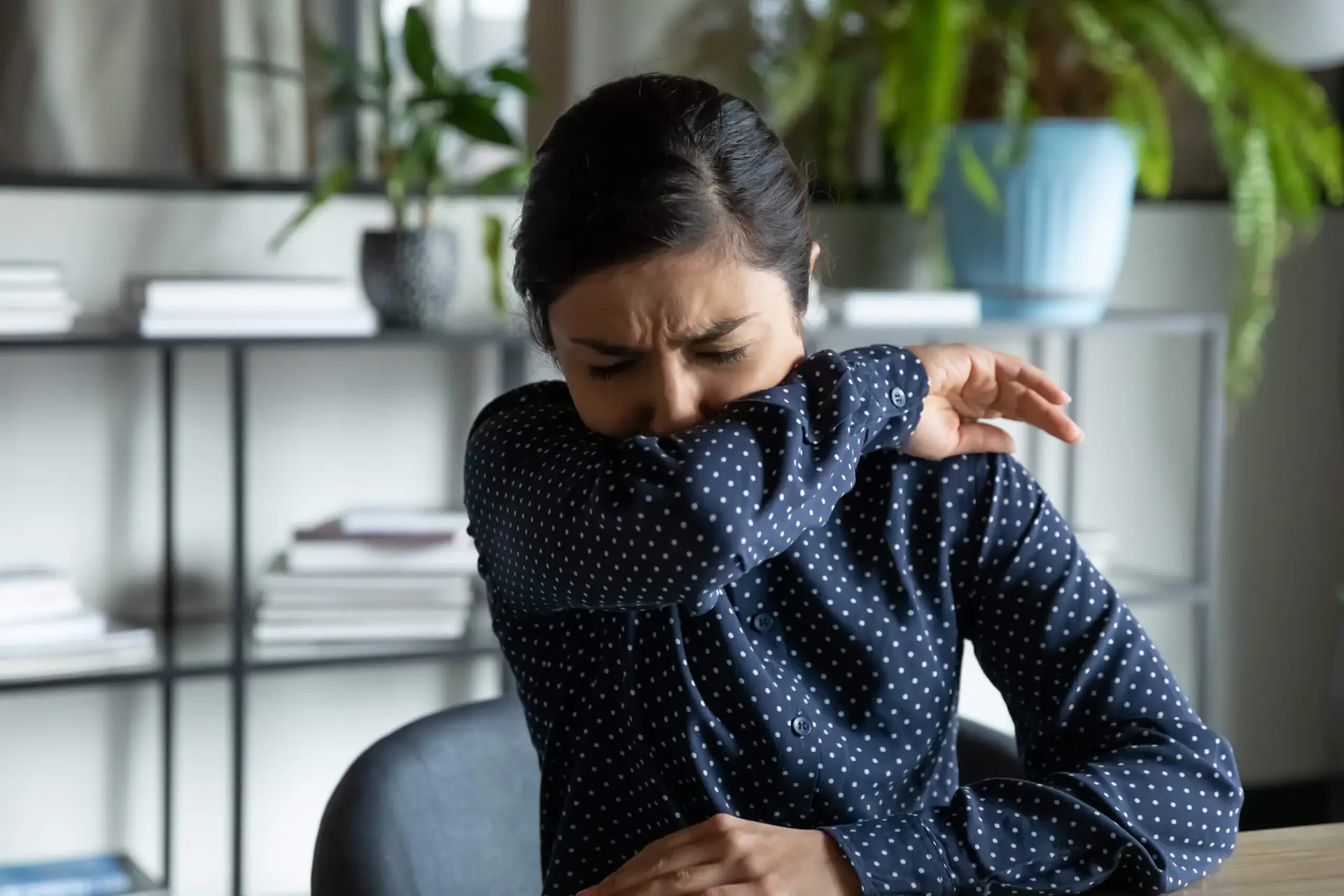
    Fits of coughing or the occasional clearing of your throat don’t usually cause pain except in the understandable areas of your throat and neck. However, sometimes your body reacts to the strain of coughing with pain in different areas, like the back, abdomen, or head.

    Does this pain mean something else is wrong, or that your cough is causing undue strain on your spine or muscles? In most cases, pain when coughing goes away on its own, especially if you can stop coughing altogether. In other situations, however, it’s helpful to be seen by a professional who can help you reduce the pain you feel when coughing.

    Potential causes of coughing pain

    Coughing places sudden strain in multiple areas of the body, especially muscles and connective tissue in the chest, back, and shoulders. When combined with existing weaknesses or underlying conditions, this strain can result in pain, often in the back. A few reasons for why coughing may be causing or worsening pain include:

    • Muscle strain or sprain: A forceful cough can strain the muscles that support your back, particularly if the coughing is frequent or intense.
    • Spinal conditions: Conditions like herniated discs or arthritis may be aggravated by the pressure and sudden jerking motion of coughing. This can lead to sharp, localized pain in your back.
    • Nerve irritation: The nervous system is complex, with your spine acting as its central highway. When a nerve is pinched or irritated, coughing can intensify back pain by increasing pressure around the nerve.
    • Weak core muscles: Your core is responsible for stabilizing your body, and a weak core might not provide enough support when you cough. This can lead to discomfort in your lower back, as those muscles overcompensate.

    If you’re experiencing persistent or severe back pain when you cough, it’s always a good idea to consult a healthcare professional.

    Lower back pain when coughing

    Lower back pain when coughing is particularly common, as the lower back supports much of your body’s weight and absorbs strain during movements like coughing. Here’s what could be going on:

    • Herniated disc: If you have a herniated disc, the sudden force from coughing can compress the disc further, irritating nearby nerves and causing pain.
    • Muscle overuse: Persistent or violent coughing can overwork the muscles in your lower back, leading to soreness or fatigue in these muscles that don’t normally get a targeted “workout.”
    • Degenerative conditions: Degenerative disc disease and arthritis are more noticeable during activities that put pressure on the spine, like coughing.

    Lower back pain triggered by coughing might benefit more from a targeted treatment, rather than hoping it goes away on its own. Physical therapy or simple at-home exercises can be effective at strengthening your core and back muscles to better absorb the force of coughing without radiating pain.

    Upper back pain when coughing

    Both lower and upper back pain when coughing are common, and they are frequently caused by similar conditions, just at a different area of the spine or back muscles. In addition to the reasons listed above for lower back pain, coughing that causes upper back pain may have something to do with:

    • Tense shoulder or back muscles: The upper back (including your shoulder blades) often carries a lot of tension whether or not you’re using it to lift heavy loads every day. Frequent coughing might exacerbate already tight or tense muscles in this area.
    • Spinal misalignment: If your spine isn’t properly aligned, the physical force of coughing can aggravate the imbalance, leading to sharp or aching upper back pain.
    • Poor posture: Slouching or sitting with bad posture can weaken your upper back over time. When you cough, the area may respond with discomfort.

    Treatments for coughing pain in the back

    In most cases, coughing and back pain co-exist, so that when one goes away, the other stops as well. Because coughing typically resolves after an illness or goes away on its own, your back pain may get better once you stop coughing.

    However, if your back pain was severe or continues after you’ve stopped coughing, it could be an indicator that one of the previously mentioned conditions could be affecting you.

    Fortunately, many of the causes of back pain when coughing can be treated with simple physical therapy principles so future coughing fits don’t hurt.

    Options for treating back pain and headaches include:

    The goal of physical therapy for something like back pain when coughing is to strengthen and heal the areas of the body that hurt in those moments long before the next coughing fit. It’s about proactive wellness that prevents pain from starting in the first place.

    Holistic healing from aches and pains at Peak Performance

    If your back is hurting badly from coughing, the best thing you can do is find a way to limit your coughing, especially if you know you’re fighting an infection. Once you’re feeling better, you can talk to a physical therapist and get answers to why your back may have been tense, unbalanced, or weakened, and start on a plan to prevent this kind of pain from happening again.

    Learn more about how we might be able to help by calling one of our clinics or requesting an appointment online today.

  • Common Treatments for Sacroiliac Joint Pain

    Common Treatments for Sacroiliac Joint Pain

    Among the many causes of low back pain is an issue with the sacroiliac (SI) joint. The SI joint is a critical joint that connects the very base of your spine with your hips; it’s the joint that connects the upper body to the lower body.

    As you can imagine, this point of contact is highly sensitive to all the movements your spine and hips make during your life, and when it becomes inflamed or develops a disorder, it affects just about everything you do. Fortunately, physical therapy treatments for sacroiliac joint pain are usually effective in relieving and preventing SI joint pain both in the short- and long-term.

    SI joint pain causes

    Before you can effectively treat a condition like SI joint pain, you have to know what’s causing it; inflammation is treated differently than arthritis, and both can cause pain in your musculoskeletal system, including the SI joint.

    A few common causes of sacroiliac pain include:

    • Inflammation (sacroiliitis)
    • Injury
    • Conditions arising from pregnancy or childbirth
    • Infection
    • Scoliosis
    • Prior back surgery
    • Anatomical asymmetry (one leg longer than the other)

    Sometimes, SI joint pain arises without a clear cause, which may be confusing and frustrating to a person experiencing the pain, but doesn’t make it any less treatable. Whether you know you’ve injured your tailbone area or have no idea where this pain is coming from, our physical therapists can help you find relief.

    Common treatments for SI joint pain

    Once your condition has been diagnosed with X-rays or other imaging tests, your physical therapist will have a clearer idea of the right treatment plan for your pain. We can treat sacroiliac joint pain or disorders with treatments like:

    • Manual physical therapy
    • Joint manipulation
    • Strength training
    • Pelvic floor exercises
    • Ice and heat therapy

    We try to avoid recommending medication to treat the symptoms of SI joint pain in part because relying on prescriptions is not a sustainable way of living with reduced pain. With physical therapy, we focus on re-training your muscles and nerves while strengthening the underlying anatomy to lead to positive outcomes. These natural methods incorporate holistic movements and exercises that you can continue to use regularly or when your pain gets worse in the future without the risk of side effects from medication.

    Stretches and exercises for the sacroiliac joint

    Sacroiliac joint pain exercises are designed to reduce joint stiffness and strengthen the muscles in the pelvis and lower back. The specific exercises used for your treatment plan will be targeted for the condition causing the pain, but may generally involve movements like:

    • Hip flexor extensions
    • Hip adduction isometric holds
    • Hip abduction isometric holds
    • Hip abductor stretches
    • Glute stretches
    • Lumbar spine stretches
    • Lumbar/hip strengthening flexes

    Your physical therapist may recommend additional treatments to complement the pain relief you need from inflammation, arthritis, or injury. Techniques that can complement pelvic and lumbar pain can include postural training (including sleep position), diaphragmatic breathing, and relaxation techniques for tense muscles.

    The goal of physical therapy for sacroiliac joint pain is to encourage full range of motion and strengthen the muscles in the pelvis and lower back to relieve pressure from these pivotal joint areas. Pressure on the SI joint is often made worse by weakened muscles throughout the base of the spine, which is why proactive treatment focuses on strengthening these muscles to support the area and allow for more free movement.

    Inflammation and sacroiliitis may involve similar proactive treatments, as well as holistic treatment for inflammation throughout the body if that’s also an issue. This is one of the reasons why a thorough, personalized evaluation is key to long-lasting success in treating sacroiliac pain.

    Sacroiliac pain treatment in Missouri

    Like many other musculoskeletal issues, sacroiliac joint pain has numerous possible causes that can overlap and which require targeted treatment for the most effective, long-lasting relief. At Excel Sports & Physical Therapy, we’re proud to offer the personalized treatments that people with SI joint pain need to get back to their daily routines with reduced pain and increased mobility. Learn more about your options for treatment and get started by calling a clinic near you or requesting an appointment online today!

  • 3 conditions that cause backache and pelvic pain to occur simultaneously

    3 conditions that cause backache and pelvic pain to occur simultaneously

    Not sure why you’re experiencing backache and pelvic pain at the same time? With direct access to physical therapy, you can get a comprehensive analysis of your physical condition. Once your physical therapist understands the source of your pain, they can offer tailored pain management treatments designed to provide rapid relief. Learning about some conditions that could be causing your pain may provide a better understanding of your own condition and how physical therapy can help you.

    3 conditions that could be causing your backaches and pelvic pain

    • Pregnancy — Studies estimate that about 50% of pregnant women will experience some kind of lower back pain during their pregnancies or the postpartum period. Pelvic pain is relatively common during pregnancy as well. This pain may be partially caused by hormonal changes. When you’re pregnant, your body releases hormones such as relaxin that serve to relax your muscles. While this can sometimes help reduce pain, it can also lead to further discomfort. The muscles throughout the back play a crucial role in supporting your body while you’re standing upright. When these muscles get too relaxed, the weight that is usually supported by those muscles may shift to your lower back and pelvis. The increased pressure can create painful strain. If you are experiencing constant backaches and pelvic pain while pregnant, a physical therapist can work with you to find stretches and other treatment methods to ease your discomfort. 
    • Endometriosis — Endometriosis occurs when uterine tissue grows outside of the uterus. This condition can lead to pain in your abdomen, pelvis and lower back. If you have endometriosis, you may also experience more cramping and heavier bleeding than usual during your period. Endometriosis is typically managed with medication. In some cases, surgery may be necessary to alleviate the symptoms.
    • Joint dysfunction — The sacroiliac joint keeps the spine and pelvis connected. When this joint becomes injured or inflamed, it can lead to pain in the surrounding area. If you’re experiencing SI joint dysfunction, you may feel pain and stiffness in your lower back and pelvis.

    Get pain relief treatments at SOL Physical Therapy

    With SOL Physical Therapy, you don’t need to just live with constant backaches and pelvic pain. Our team can work with you to build a treatment plan tailored to your needs. We want to help you find long-term relief from your aches and pains.

    Call us or request an appointment today to start getting treatment for your backache and pelvic pain. 

  • Can stretching improve lower back mobility and function?

    Can stretching improve lower back mobility and function?

    As with many other aspects of your health, “use it or lose it” applies to the structures in your lower back. When muscles and soft tissue aren’t exercised, they start to lose mass and become stiff. If muscles in one part of your back tighten up and lose length, you may end up overcompensating with other parts of your back and strain those muscles. 

    Low back pain is the leading cause of disability worldwide, and the United States is one of the top three countries with the highest prevalence, along with Denmark and Switzerland. Sitting for long periods during the workday and not getting enough exercise are two of the main reasons why people develop lower back pain. Getting more exercise in general and working out your lower back are both good preventive measures that can keep common types of lower back pain at bay.

    This article discusses the role of stretching in maintaining lower back mobility and function, and it lists several stretches to add to your daily routine.

    Can I improve lower back mobility and function by stretching?

    The short answer is yes, you can improve the function of your lower back by stretching. Stretching your back regularly helps ensure that the muscles, tendons and nerves in your back stay in good working order. It helps create length in your muscles, reducing imbalances so each vertebra is adequately supported. It also breaks up stiff muscle fibers to promote flexibility and fluid movement. You’ll get the most out of your stretching routine if you do it first thing in the morning. 

    If you’re experiencing lower back pain, the cause will determine what stretches and treatments will provide relief. Stretching generally helps with most musculoskeletal problems, but if you’re recovering from an injury or a surgery, certain stretches can be dangerous. If a condition like pancreatitis or a kidney stone is causing pain in your lower back, you’ll need medical attention.

    What are some examples of stretches that help with lower back pain?

    In addition to the structures in your back, weakness and stiffness in other parts of the body, such as your abdomen, buttocks and hamstrings, can contribute to back pain. It’s good to have a combination of targeted stretches for your low back and full-body stretches in your daily routine. You should also practice both static and dynamic stretching. This means doing both stretches that you hold for 30 seconds or more and stretches that require some movement. 

    If you’re experiencing nerve pain from piriformis syndrome or sciatica, nerve flossing or nerve gliding can also be helpful. These stretches target compressed nerves with back-and-forth movement to reduce pressure and restore healthy movement. Those with intense or chronic low back pain may need some help from a physical therapist to learn how to stretch their lower back safely and effectively. 

    Stretching shouldn’t be your only strategy for maintaining the health of your lower back. You should also do strengthening exercises a couple of times a week and aerobic exercises most days. Aerobic or cardiovascular exercise can help relieve back pain by improving blood flow to different parts of your spine, bringing fresh oxygen and nutrients while reducing stiffness.

    Try doing the following stretches once a day to increase flexibility and restore movement in your lower back:

    • Child’s pose — Starting on all fours or in tabletop position, ease back into a kneeling position and extend your arms out in front of you so your forearms are resting on the floor. You should feel a stretch in your shoulders and upper back. 
    • Cat-cows — In tabletop position again, make sure your hands are square below your shoulders and your knees and ankles are aligned. Move into cow pose by arching your back and looking upward, taking a deep breath in. Then move into cat pose by rounding your back as high as you can while looking down, and breathe out. Continue your cat-cow in one fluid motion for a few minutes.
    • Cobra or baby cobra pose — Lying on your stomach, put your hands just below your shoulders with your elbows by your sides. Curl your upper back and your neck upward carefully without fully lifting your chest for baby cobra. Continue lifting until you’re gently resting on your elbows for cobra pose. 
    • Bridge pose — Start by lying on your back with your feet planted and your knees bent. Extend your arms down at your sides and lift your pelvis until your back is in a straight line. This pose strengthens your abdomen while creating a stretch in your lower back and buttocks.
    • Ball rollouts — This is another moving stretch that strengthens your core to create more support. You’ll need a stability ball. Start on your knees with the ball in front of you and place your hands on it, keeping your arms straight. Slowly push the ball forward and lean on your hands until your forearms are resting on the ball and your core is tightened and suspended. Slowly roll back to starting position, maintaining control and keeping your core engaged.
    • Hollywood stretch — Start in a seated position with your legs out in front of you. Cross one foot over the opposite leg and then twist your torso in the other direction, resting your elbow on your upper leg. Don’t push this stretch too far — you should feel a slight stretch deep in your lower back.
    • Windshield wipers — Lying on your back, plant both feet on the floor with your knees pointing up. Slowly lower your knees to one side, using your hands for stability, and try to keep your back flat on the floor. After a second or two, raise your knees back up and stretch in the opposite direction. 
    • Piriformis stretch — The piriformis is a muscle in your buttocks that’s close to the base of your spine. Starting in the same lying down position with your feet flat on the floor, cross one ankle so it’s resting on the opposite knee. Bring your legs toward you, and reach around the thigh that’s facing you to hold it with both hands. 
    • Knee-to-chest stretch — On your back once again, extend your legs out long and bring one knee to your chest. Hold it there for 30 seconds, and then turn it toward the opposite shoulder for 30 seconds. You can also extend your leg and keep it slightly bent as you bring it toward your chest to stretch your hamstrings.

    How can physical therapy help me with lower back pain?

    Physical therapists provide targeted, natural treatments that can help mobilize soft tissue and joints that are too stiff to exercise on your own. At SSOR, we use both manual therapy and massage therapy to loosen up tightness in the lower back. Manual therapy techniques use gentle touch to release stiffness in specific areas. A physical therapist can also help you with your everyday posture and ergonomics. An ergonomic evaluation would include an assessment of your work environment and habits. Your PT then provides recommendations for activities, tools and adjustments that can help reduce back pain, such as a brace or a stand to elevate your computer screen.

    At Specialists in Sports and Orthopedic Rehabilitation, recovery and injury prevention are just the beginning of what we do. We want to help you be more proactive about your wellness and will create a detailed plan with you that supports your body and your preferences. We offer virtual PT and hybrid options so you can make treatments fit with your schedule. We also created a PT gym membership for patients who need some guidance and assistance during workouts. Our licensed physical therapists can help you find the right equipment and exercises to support specific goals like improving lower back function. They’ll also help you learn to use them safely.

    Are you looking for answers about your lower back pain and treatments that provide long-term relief? Call us or request an appointment today.

  • Here’s what you can do to improve your lower back muscle pain

    Here’s what you can do to improve your lower back muscle pain

    When you have lower back pain, it can interfere with your ability to carry out everyday activities. It can be difficult to climb stairs and reach down to pick up clothes from your bedroom floor. In your lower back, there are several different muscles around your spine that can be the source of pain, including the quadratus lumborum, iliopsoas, multifidus and gluteals.

    If you’re experiencing persistent, worsening or recurring muscle pain in your lower back, talk to your doctor about your concerns. They can help you figure out which muscles are the source of your pain and the likely cause. You can also request a referral for physical therapy to start treating your lower back pain.

    How to alleviate muscle pain in your lower back

    There are a variety of treatment options that can help to reduce muscle pain in your lower back. Be sure to talk to your doctor or physical therapist about the safest and most effective courses of action.

    Here’s what you can do to improve your lower back muscle pain:

    • Postural adjustments — Poor posture is a common cause of lower back pain, and it can also worsen the symptoms of other back issues, such as sciatica or muscle strains. Making the proper adjustments to your posture as you stand and sit can help reduce muscle pain in your back. Keeping your chest forward, shoulders straight and hips tucked can decrease the strain on your lower back muscles.

    • Heat — Heat therapy is a common type of self-care for muscle pain that you can do at home. Apply a hot compress to your lower back for 20 minutes at a time. The goal of heat therapy is to accelerate the recovery process by increasing blood circulation to the area. It works to relax your muscles while decreasing the pain signals being sent to your brain.

    • Exercises — One of the most effective ways to reduce muscle pain in your lower back is to target it with the right
      exercises. A physical therapist can show you exercises, such as planks and glute bridges, that will increase the strength of your back muscles for increased spinal stability and support. They can also show you stretches, like
      child’s pose, to loosen the muscles and increase the flexibility of your lower back.

    Excel PT can help improve your lower back muscle pain

    Your lower back muscles play an important role in your everyday physical activities, such as standing up from your chair after a long day at work and lifting your groceries out of your trunk. At Excel Sports and Physical Therapy, we can help alleviate your lower back muscle pain with a variety of treatments tailored to the cause of your pain and your physical therapy goals, such as exercises and postural adjustments.

    Call us or request an appointment today to improve your lower back muscle pain.

  • Is it normal to have lower back pain in the early stages of pregnancy?

    Is it normal to have lower back pain in the early stages of pregnancy?

    While it can be different for everyone, pregnancy can impact nearly every part of a woman’s body. Common symptoms include fatigue, nausea and cramping. But is lower back pain normal, especially during early pregnancy? The answer is yes.

    Pain in your lower back is a common early symptom of pregnancy. Up to 80% of women experience back pain at some point during their pregnancy, and it can start as early as eight weeks. We’ll talk about why you may feel lower back pain during the early stages of pregnancy as well as treatment options that can help.

    Why you may have lower back pain during early pregnancy

    There are a variety of reasons why pregnant women experience lower back pain. While some causes are due to their bodily changes, other causes are from external factors that may be adjusted for decreased pain.

    • Hormones — During pregnancy, your body will experience an increase in hormones to help it prepare for the birthing process. Relaxin is a hormone that softens the muscles, ligaments and joints so that they can stretch during delivery. It can affect the support in your lower back, leading to pain.

    • Weight gain — You can start to gain weight quite early in your pregnancy, and your lower back muscles help to support your weight as you stand and walk. When you put additional weight onto them, the strain can lead to back pain.

    • Posture — Your center of gravity changes as both your uterus and baby grow. It will shift forward, often resulting in a change of posture as you stand and walk in order to compensate. This can lead to lower back pain, especially if you’re standing or walking for an extended period of time.

    How to alleviate lower back pain during early pregnancy

    Pregnancy is a nine-month journey with physical symptoms, such as lower back pain, that can impact your ability to carry out your everyday routines. Here are some safe and effective ways to alleviate your lower back pain during any point in your pregnancy:

    • Use supportive products — It’s important that your lower back is supported whenever possible, especially while sitting or lying down. Use a cushion for your back, such as a lumbar pillow, that adjusts your posture for proper alignment while reducing stress on the lower back muscles. You can also use footrests while sitting to reduce pressure on your back.

    • Don’t sit for too long — When you’re sitting for an extended period of time, such as at your work desk, take breaks to stand and walk around. If you sit for too long, the excessive pressure on your lower back can lead to pain.

    • Perform regular exercises — There are many mild to moderate exercises that are safe for pregnant women as a way to help lower back pain. A physical therapist can show you exercises that can strengthen the affected muscles for increased support. They’ll also show you stretches to increase your lower back flexibility to release tension.

    At Excel Sports and Physical Therapy, we can help women alleviate their lower back pain during pregnancy with personalized treatments such as targeted exercises, postural assessment and soft tissue mobilization.

    Call us or request an appointment today to reduce lower back pain during the early stages of pregnancy.

  • 3 tips you can use to get better sleep at night with lower back pain

    3 tips you can use to get better sleep at night with lower back pain

    When you have lower back pain, it can be tempting to just lie on the couch all day until it goes away. But even though it’s easy to assume that lying down for hours will help an ache in your lower back, the pain can actually interfere with your ability to get a good night’s sleep.

    There are many reasons why you may be experiencing lower back pain that’s impacting your sleep, from a muscle strain to sciatica. The good news is that there are some tips and tricks that can help you feel relief from your back pain as your head hits the pillow at night. 

    3 ways to help you sleep with lower back pain

    Lower back pain is relatively common. It affects up to 85% of the U.S. population at least once in their lifetime. When an issue is that common, there are plenty of tips spread throughout the health care industry that aim to reduce the pain’s impact on a person’s overall quality of life, including their sleep.

    Here are three tips to help you get better sleep with lower back pain:


    • Change your sleeping position — When you’re experiencing pain in your lower back, it’s important to sleep in a position that reduces stress on the affected muscles. It’s often recommended to sleep on your side with a pillow between your legs as a way to encourage hip alignment and the natural curvature of your spine. You can also relax the muscles by sleeping on your back with a pillow underneath your knees.

    • Find a supportive pillow — When your neck isn’t supported as you sleep, it can affect the alignment all the way down your spine and in your lower back. Try to look for a pillow that helps with alignment and offers lumbar support to reduce the strain on your lower back muscles.

    • Stretch beforehand — There’s a way to help you get better sleep with lower back pain before you even get into bed. Stretching before you go to sleep can help you release tension and improve the flexibility of your back muscles. It also helps to relax your body for a quality night’s sleep. Knees-to-chest stretches and the cat-cow stretch are just a couple of effective stretches for your lower back. 

    If you’re experiencing persistent, worsening or recurring lower back pain that’s making it difficult to fall and stay asleep, be sure to talk to your doctor. They can help you figure out the likely cause of the pain and give you a referral for physical therapy, which is an effective treatment option.

    At Excel Sports and Physical Therapy, we can help you alleviate your lower back pain with treatments like manual therapy and targeted exercises. We’ll also make recommendations to help you get the best sleep you can throughout treatment.

    Call us or request an appointment today to improve your sleep with lower back pain.

  • Here’s what to expect from spinal cord injury rehabilitation

    Here’s what to expect from spinal cord injury rehabilitation

    The spinal cord is an essential part of your body’s communication system. It’s like a highway for messages that go from your brain to the rest of your body. You can think of your spinal cord as a main cable in a giant network. When someone has a spinal cord injury, it means this crucial communication line has been damaged and its ability to communicate has been disrupted. 

    A spinal cord injury (SCI) can be a life-altering event. An SCI can affect a person’s movement, sensation and ability to do daily activities. Globally, an estimated 15 million people are living with an SCI, including approximately 302,000 Americans. Each year in America, approximately 18,000 new SCI cases occur. A spinal cord injury can happen because of:

    • Birth defect
    • Violence
    • Toxins
    • Vehicle accident injury
    • Degenerative or vascular condition
    • Sports injury
    • Infection
    • Fall
    • Tumor

    An SCI means the person is facing learning a new normal. Their injury can result in the complete or partial loss of sensory and/or motor functions below their injury level. The good news is that with proper rehabilitation like physical therapy and a positive mindset, you can make amazing progress. 

    The impact of a spinal cord injury

    Living with an SCI can present unique challenges. The extent of the SCI determines the specific effects, but common challenges include:

    • Paralysis — Loss of movement in certain parts of the body
    • Numbness — Loss of sensation in some regions of the body
    • Chronic pain — Chronic pain can be a significant issue.
    • Bowel and bladder dysfunction — Difficulty controlling these bodily functions
    • Respiratory problems — Depending on the location of the injury

    The role of rehabilitation for spinal cord injuries

    Rehabilitation is crucial for individuals dealing with SCIs. It can be a truly tailored process aimed at maximizing their independence and quality of life. A multidisciplinary team will work together to create a comprehensive recovery plan personalized to the individual’s unique needs. This multidisciplinary team will likely include:

    The goals of rehabilitation for spinal cord injuries

    The goals of rehabilitation can vary from person to person, depending on the severity of the injury. However, common objectives of SCI rehabilitation can include:

    • Preventing complications — Addressing issues like pressure sores, infections, and contractures (shortening of the muscles or tendons)

    • Improving mobility — Helping individuals regain as much movement as possible through therapeutic exercises and assistive devices

    • Managing pain — Developing healthy coping strategies to deal with chronic pain

    • Enhancing independence — Teach them skills for activities of daily living, like getting dressed, bathing and cooking

    • Providing emotional support — Counseling and support are provided to help individuals cope with the challenges of an SCI and navigate their new normal.

    • Returning to work or school — Assisting individuals in finding ways to participate as fully as possible in their education or employment

    Physical therapy for spinal cord injuries

    Physical therapy is the bedrock of spinal cord injury rehabilitation. Physical therapists use various techniques to help individuals regain strength, flexibility and balance. Physical therapy techniques used in SCI rehabilitation include:

    • Range-of-motion exercises — These exercises involve moving the joints through their full range of motion to help maintain flexibility and prevent contractures. Range-of-motion exercises can help:

      • Prevent stiffness
      • Improve joint mobility
      • Maintain muscle strength

    • Strength training — Strength training focuses on building strength in muscles that may still be functional and help prevent atrophy in affected muscles. Strength training, which can include isometric exercises and functional electrical stimulation, can help:

      • Enhance muscle strength
      • Support joint stability
      • Improve overall functional capacity

    • Functional training — Functional training exercises are designed to help improve individuals’  ability to do everyday activities and tasks. It can include techniques like transfer training to teach individuals how to safely and effectively move from one position to another, as well as gait training for individuals with partial mobility to help them practice with assistive devices to improve walking ability. Functional training can help:

      • Improve independence
      • Improve daily function
      • Improve overall quality of life
    • Balance and coordination exercises — These are exercises aimed at improving balance, coordination and stability. Balance training may include activities such as standing on one foot or using a balance board. Coordination exercises will have the individual practice tasks that require precise movements, like reaching or manipulating objects. Balance and coordination exercises can help:

      • Improve stability
      • Reduce fall risk
      • Improve overall functional coordination

    • Wheelchair skills training — Wheelchair skills training focuses on helping individuals develop the necessary skills for effective and efficient use of a wheelchair. This can include wheelchair mobility training for maneuvering, turning and navigating various surfaces and wheelchair propulsion to teach efficient use of wheelchair propulsion techniques to conserve energy. Wheelchair skills training can help:

      • Enhance mobility
      • Boost independence
      • Improve maneuverability in different environments


    • Postural training — Postural training involves exercises and techniques intended to help improve posture and alignment. This can include learning proper alignment while sitting to help prevent pressure sores and promote comfort, as well as using cushions or supports to promote proper body alignment. Postural training can help:

      • Reduce pressure sore risk
      • Improve comfort
      • Prevent musculoskeletal issues

    • Endurance training — Endurance training involves exercises designed to help improve cardiovascular fitness and overall endurance. Endurance training can help:

      • Improve cardiovascular health
      • Boost energy levels
      • Improve overall fitness

    • Pain management techniques — Pain management techniques can help individuals alleviate and manage pain associated with their spinal cord injury. This may include techniques like heat therapy, cold therapy and manual therapy to help:

      • Relax tense muscles
      • Improve circulation
      • Reduce inflammation
      • Alleviate pain

    • Aquatic therapy — Aquatic therapy involves physical therapy exercises done in a warm pool to take advantage of water’s buoyancy. It can also take advantage of the water jets or currents to help with movement or promote relaxation. Aquatic therapy provides a low-impact environment that reduces stress on joints and can boost mobility.

    • Adaptive equipment training — Adaptive equipment training teaches individuals how to use a variety of assistive devices and home modifications to enhance daily function and independence. 

    This is just a glimpse of some of the techniques that can be tailored to each individual’s specific needs and goals during spinal cord injury rehabilitation. Working closely with their physical therapist can help ensure that the chosen techniques are appropriate and effective for each person. 

    Finding spinal cord injury rehabilitation near you

    Finding a suitable spinal cord injury rehabilitation program near you is crucial for recovery and independence. Here are some avenues to help you find the right rehabilitation facility:

    • Rehabilitation center directories
    • Online search engines
    • Hospital websites
    • Your primary care physician or specialist
    • Your discharge planner
    • Recommendations

    Once you have found a location you believe will work best for your recovery, make sure you:

    • Consider accreditation
    • Schedule tours if possible
    • Meet with staff
    • Evaluate services, such as:
      • Specialized care tailored to SCIs
      • Equipment and technology
      • Support services
      • Verify insurance benefits

    By carefully considering these factors, you can find a spinal cord rehabilitation program that best meets your needs and supports your recovery journey. 

    SOL Physical Therapy: Your partner in spinal cord injury recovery

    At SOL Physical Therapy, we understand the challenges faced by individuals with spinal cord injuries. Our specialized rehabilitation programs offer personalized care and comprehensive support to help you achieve your maximum potential. Our team of expert physical therapists is dedicated to helping you regain independence, improve mobility and enhance your overall quality of life. Let us be your partner in recovery. 

    Call us or request an appointment today to learn more about our spinal cord injury rehabilitation services.

  • 21 symptoms of spinal stenosis that can be addressed during physical therapy

    21 symptoms of spinal stenosis that can be addressed during physical therapy

    Spinal stenosis is a condition in which the spinal canal, the bony passageway that helps protect the spinal cord and nerves, narrows. This narrowing can put pressure on the spinal cord and nerves, causing pain, numbness and weakness. You can imagine it like a crowded hallway where people are all bumping into each other; that’s similar to what happens to your nerves with spinal stenosis. 

    Spinal stenosis is relatively common, especially as you begin to age. The wear and tear of the spine that naturally happens over time can be the primary cause. While it can affect people of any age, it’s more common in people over the age of 50. 

    Spinal stenosis can have a significant impact on your daily life. The symptoms can range from mild discomfort to debilitating pain, making it challenging for you to do everyday activities. It can cause complications such as:

    • Physical limitations 
    • Reduced mobility
    • Emotional struggles
    • Social isolation
    • Sleep disturbances

    Understanding spinal stenosis is your first step to managing its effects on your life. With a proper diagnosis and treatment, you can experience significant improvement in your quality of life. 

    Symptoms of spinal stenosis

    Depending on the severity and location of your spinal stenosis  (e.g., in your neck, back, arms, legs, hands or feet), you may experience:

    • Pain
    • Numbness
    • Tingling
    • Weakness

    Spinal stenosis can develop slowly over time. Symptoms may also come and go and can affect people differently. 

    Lumbar spinal stenosis affects the lower back and is the most common type, affecting more than 200,000 American adults. It can cause distinct symptoms, including:

    • Dull ache or stiffness in the lower back
    • Burning, cramping or aching extending from the buttocks down the leg
    • Numbness or tingling sensations in the legs, feet or buttocks
    • Difficulty lifting the feet or general weakness in the legs
    • Intermittent claudication, where leg pain gets worse with walking but improves with rest

    A key characteristic of lumbar spinal stenosis is that these symptoms can improve when bending forward or sitting down. This can be because these positions help open up the spinal canal and help relieve pressure on the nerves. 

    Cervical stenosis affects the neck and causes a variety of symptoms, including:

    • Stiffness or soreness in the neck
    • Numbness, tingling or weakness in one or both arms
    • Difficulty with fine motor skills, like buttoning clothes or writing
    • Headaches similar to tension headaches
    • Difficulty walking or coordinating movements
    • In severe cases, symptoms can extend below the neck, causing numbness or tingling in the legs.

    It’s important to note that symptoms of cervical and lumbar stenosis can vary widely in severity and may get worse over time. 

    What does spinal stenosis feel like?

    Spinal stenosis can cause a variety of uncomfortable symptoms, including the ones listed above. These symptoms may cause you to experience:

    • Dull ache or burning sensation
    • Pins-and-needles sensation
    • Muscle weakness in your arms or legs
    • Difficulty moving your neck or back
    • Issues with balance and coordination
    • Muscle cramps

    The intensity and frequency of these symptoms can vary greatly from person to person. Some people may experience mild discomfort; others may experience severe limitations in their daily activities. 

    Causes of spinal stenosis

    Spinal stenosis can be the result of age-related wear and tear on the spine, but other factors can contribute to its development, such as:

    How is spinal stenosis diagnosed?

    Spinal stenosis is usually diagnosed using a combination of:

    • Medical history
    • Physical examination
    • Imaging tests, such as:

    • X-rays
    • Magnetic resonance imaging (MRI)
    • Computed tomography scan (CT scan)

    These tests can help identify the extent of your spinal narrowing, the structures that are involved and the potential causes of your symptoms. 

    How is spinal stenosis treated?

    Spinal stenosis treatment can vary depending on the severity of the symptoms and the individual patient. Treatment can involve a combination of approaches, including:

    • Medications — Over-the-counter pain relievers like ibuprofen or prescription options, like muscle relaxers, can help you manage your pain and inflammation.

    • Physical therapy — Physical therapy exercises, stretches and other techniques can help you improve flexibility, strength and posture, helping alleviate pressure on your nerves.

    • Epidural steroid injections — Steroid injections near the affected spinal nerves can help reduce inflammation and provide temporary pain relief.

    • Surgery — In severe cases where the symptoms are significantly interfering with your daily life and nonsurgical treatments have been ineffective, your doctor may recommend surgery. Surgical options for spinal stenosis include:

    • Laminectomy — Removing part of the vertebra to create more space for the spinal cord and nerves

    • Laminotomy — A less extensive procedure where only a portion of the bone is removed

    • Foraminotomy — Enlarging the openings of the vertebrae where nerves exit

    • Discectomy — Removing part of a herniated disc

    • Spinal fusion — Fusing together two or more vertebrae to help stabilize the spine

    It’s important to discuss the risks and benefits of each treatment option with your health care provider to determine the most effective treatment based on your specific condition.

    Physical therapy techniques for spinal stenosis

    Physical therapy can play a crucial role in helping you manage your spinal stenosis symptoms. Your physical therapist will create a tailored physical therapy treatment program that can help you improve your flexibility, strength and overall function. Your treatment plan may include some of the following techniques:

    • Range-of-motion exercises — Your physical therapist will teach you gentle movements that can help you maintain flexibility in your spine, hips and legs. These exercises can help prevent stiffness and improve your mobility.

    • Strengthening exercises — Your physical therapist can guide you through targeted exercises intended to help you build core, back and leg muscle strength. These muscles are crucial for supporting your spine and reducing strain. These exercises may include:

    • Planks
    • Bridges
    • Leg lifts

    • Aerobic exercises — Your physical therapist may recommend doing aerobic exercise activities to help improve your cardiovascular health endurance and overall well-being. Aerobic exercise activities can include:

    • Swimming
    • Walking
    • Cycling

    • Postural education — Your physical therapist can educate you on the importance of good posture. Learning and practicing good posture habits can help reduce strain on your spine.

    • Manual therapy — Hands-on techniques of manual therapy, like spinal manipulation, joint mobilization, myofascial release and soft tissue mobilization, can help relieve pain and stiffness. Instrument-assisted soft tissue mobilization (IASTM) techniques can also be beneficial.

    • Stabilization exercises — Your physical therapist can guide you through stabilization exercises that are designed to focus on your core and pelvic floor muscles. These muscles are crucial to supporting spinal stability.

    • Balance training — Balance training exercises can help you improve your balance and coordination. Improving these skills can reduce your risk of falls.

    • Aquatic therapy — Aquatic therapy involves doing certain exercises in the water. This takes advantage of the buoyancy of water, which can help reduce weight-bearing stress on your spine, allowing you to work on improving your flexibility, strength and range of motion with easier and less painful movements.

    • Functional training — Your physical therapist can help you learn how to perform everyday activities to improve your confidence and independence. Learning how to get in and out of a car, bend, and lift and carry objects correctly can help alleviate pain caused by improper form.

    Your personalized treatment plan will be based on your specific needs and recovery goals. Consistent practice of these exercises can help significantly improve your quality of life. 

    Tips that can help you prevent spinal stenosis

    While spinal stenosis is often associated with aging and wear and tear, there are steps you can take that can potentially reduce your risk or slow its progression:

    • Maintain a healthy weight.
    • Get regular exercise.
    • Practice good posture habits.
    • Use safe lifting techniques.
    • Attend regular check-ups.

    Remember, while these steps can help you maintain your spinal health, they may not entirely prevent spinal stenosis, especially if you have a genetic predisposition. 

    Reclaim your life with spinal stenosis treatment at Whatcom Physical Therapy

    At Whatcom Physical Therapy, we understand the challenges living with spinal stenosis can have on your life. Our team of experienced physical therapists proudly offers personalized treatment plans tailored to your specific needs and recovery goals. With a focus on providing comprehensive and compassionate care, we can help you manage your pain, improve your mobility and enhance your overall quality of life. 

    Call us or request an appointment today to learn more about how our spinal stenosis physical therapy treatments can benefit you.

  • Severe lower back pain: Causes and treatments

    Severe lower back pain: Causes and treatments

    Lower back pain is the single leading cause of disability worldwide. Most people will experience it at least once in their life, and there are many possible causes. Fortunately, there’s a lot of hope for relief. Rehabilitation therapies have more potential to improve lower back pain than any other condition. 

    This article will cover 12 of the most common causes of lower back pain along with rehabilitation treatments that can help you feel better.

    What’s the outlook for severe lower back pain?

    It’s hard to make any general statements about severe lower back pain because each case is unique. Many of the body’s systems converge in the lower back, and conditions in any of the bones, muscles, joints and organs situated in the lower back can cause pain, such as the kidneys, pancreas and large intestine. The potential treatments and outlook for recovering from lower back pain depend on the root cause. 

    Treatment for your back pain will depend on whether the issue is caused by a problem with the structure, musculature and fascia of your back or an internal organ below the surface. The nature of your pain, whether it’s caused by a congenital condition, an infection or an injury, for instance, will also affect your prognosis.

    What can cause severe lower back pain?

    You might expect back injuries to happen at work or during physical activities. But they often happen when you least expect it, such as while doing mundane tasks like picking up a piece of trash. Strains and sprains can happen when you twist, bend or lift something with improper form — especially if you don’t get much exercise or you don’t have much core strength. And not all back pain is caused by injuries. 

    Any structural problems or issues with the discs between vertebrae can cause a lot of pain. Discs often break down with age, and they can move out of alignment over time, compressing spinal nerves. Having poor posture, sitting for long periods and carrying excess weight can put stress on the structure of your spine. Over a long period of time, this can make you more likely to experience lower back pain. 

    Finally, disease can cause pain in the lumbar and sacral areas of the spine or the muscles and organs near them. Several types of arthritis, fibromyalgia and other inflammatory conditions can begin with pain in the lower back. Some less common sources of lower back pain are spinal tumors, osteoporosis, congenital issues like scoliosis, and pregnancy.

    The following are 12 of the most common causes of severe lower back pain:

    • Acute injury — A fracture, strain or sprain can cause severe lower back pain to show up suddenly. A strain is an injury to a muscle or tendon, and a sprain affects ligaments that hold the spine together. 
    • Myofascial pain — Any disruption of the nerve signals coming from the spine can result in sensations of tightness and pain in the low back muscles.
    • Herniated or ruptured discs — Discs in the lumbar area are some of the most likely to slip through weak parts of the spine, compressing and irritating nearby nerves. 
    • Sciatica — The sciatic nerve runs through the lower back and down the legs. Pressure on this nerve can cause pain, weakness, numbing or tingling in the same areas.
    • Inflammatory conditions — Inflammatory back pain is also known as ankylosing spondylitis or axial spondyloarthritis. Reactive arthritis, which is joint pain and swelling triggered by an infection somewhere else in the body, as well as rheumatoid arthritis can cause low back pain. Enteropathic arthropathy is another inflammatory condition related to inflammatory bowel disease that can cause low back pain.
    • Degenerative disc disease — The vertebrae of the spine can break down with age. This may come along with other degenerative spinal conditions like arthritis or spinal stenosis.
    • Spondylolisthesis — In contrast to a herniated disc, spondylolisthesis is when a vertebra moves out of alignment.
    • Spinal stenosis — This can occur anywhere in the spine: Stenosis is a narrowing of the spinal canal that puts pressure on the spinal cord and nerves.
    • Fibromyalgia — This condition can cause muscle pain and fatigue all over the body, and many people feel it in their lower back.
    • Kidney stones or infections — The kidneys sit near the lower middle of the back, so kidney stones and infections are sometimes the cause of low back pain.
    • Endometriosis — In women, uterine tissue can build up in places outside the uterus, causing a lot of pain. It can travel to different locations near the abdomen, including the lower back.
    • Infections — Infections can start in the spine or other areas of the body and move to the spinal discs and vertebrae, causing back pain.

    What treatments can help with severe lower back pain?

    Fortunately, physical therapy offers many spine and back therapy treatments. In addition to manual therapy techniques, applying a small amount of electrical stimulation can relieve low back pain. A large part of physical therapy for back pain involves stretching and strengthening the muscles that support the back, which can improve mobility, posture and positioning. 

    Along with physical therapy, you can take over-the-counter topical or oral pain relievers to help with low back pain in the short term. Alternating heat and cold therapy to increase blood flow and numb pain can be helpful, and you should avoid too much bed rest and activities that make the pain worse.

    Talk with your doctor or physical therapist about treatments that may help and the associated risks. As mentioned earlier, the most appropriate treatments will depend on the cause of your pain. Other alternatives to explore include chiropractic manipulation and prescription medications such as pain relievers, anti-inflammatory drugs, numbing injections, muscle relaxers and nerve medication. In the most extreme cases, surgery may be necessary. This is usually the last resort after trying multiple other treatments.

    Here’s a bit more detail on the physical therapy techniques we use at Armor Physical Therapy to treat lower back pain:

    • Manual therapy — This refers to massage-like movements that break up stiffness, increase range of motion and mobilize joints. Increasing blood flow to the affected area promotes healing and pain relief.
    • Electrical stimulation — Different types of low-voltage electrical stimulation, using TENS units or iontophoresis, can help with low back pain. TENS stands for transcutaneous electrical nerve stimulation. Iontophoresis delivers medication through the skin while the area is submerged in water and electrical stimulation is applied.
    • Stretching exercises — Stretching the tendons and muscles of your back can take pressure off them by increasing elasticity and flexibility. 
    • Therapeutic back exercises — Core muscle strengthening and dynamic lumbar stabilization exercises are helpful for the treatment of back pain. When the muscles supporting your back are strong, there’s less strain on the tendons and ligaments holding your back together.
    • Low-impact aerobic conditioning — Low-impact aerobics like water therapy, biking and walking help keep your body healthy and conditioned so injuries and disease cause less pain.

    Armor PT can help with severe lower back pain

    Severe lower back pain can get in the way of work, exercise and things you do for fun. Don’t forget physical therapy and rehabilitation have a lot of potential to help you find relief in the short and long term. 

    At Armor PT, our physical therapists can help you determine potential causes based on your symptoms and a few simple tests. They can provide education on your specific issues from there and treatments that can help you start feeling better right away.

    Don’t wait to get help with severe lower back pain. Call us or request an appointment today.

When Was Your Appointment?

We recently changed bill pay providers. Please click the button for the date of your appointment to be directed to the correct online payment portal.